Ocado warns on profits as shoppers trade down and buy less

Ocado's new insight platform is designed to increase revenue
EcommerceGrocerySupply Chain
// Ocado cuts outlook after shoppers trade down amid the cost-of-living crisis
// For the 13 weeks to 28 August, Ocado’s sales were up 2.7% to £532m

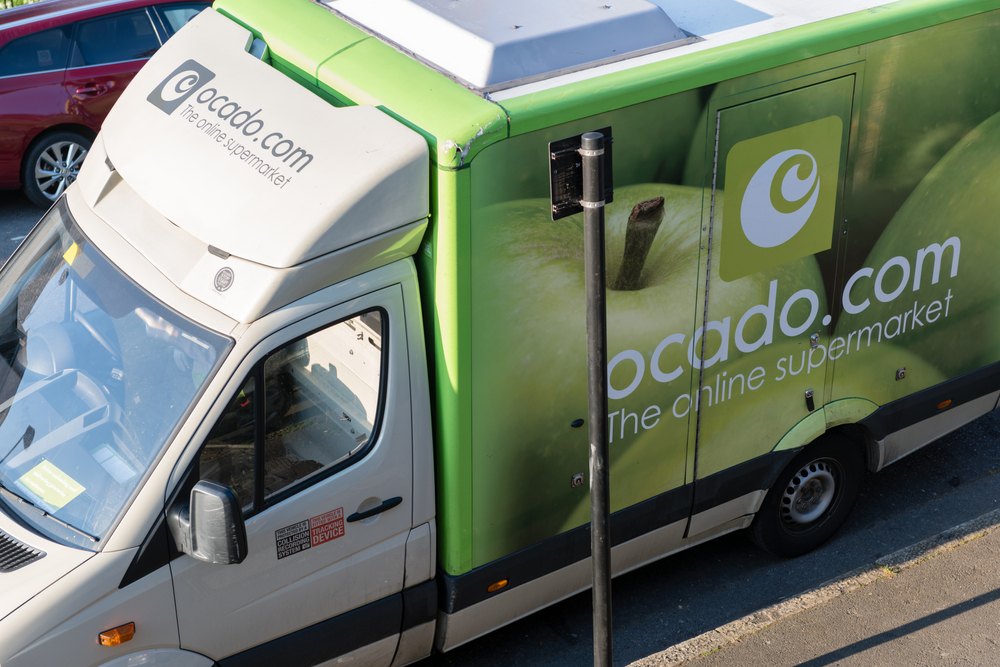
Ocado has cut its outlook despite its sales rising after the cost-of-living crisis led to shoppers seeking more value online.

Although the online grocer expects stronger growth in the fourth quarter after record numbers of new customers, it is also anticipating cost headwinds, predominantly energy and dry ice, to weigh on profitability.

For the 13 weeks to 28 August, Ocado’s sales were up 2.7% to £532 million compared with the same quarter last year.

Active customer numbers grew 23% year-on-year to 946,000, driving an increase in average orders per week of 10.7%.


Subscribe to Retail Gazette for free

Sign up here to get the latest grocery news straight into your inbox each morning


While customers and orders have grown, consumers are shopping smaller baskets and seeking value-for-money items as they respond to inflationary pressures.

As a result, the value of the average basket was down by 6% in the period, to £116, with a greater decline experienced later in the quarter during the peak summer holiday season.

Ocado Retail chairman, Tim Steiner said: “We remain focussed on providing Ocado Retail customers with the best possible value to help them navigate the cost of living crisis, and are encouraged by the positive underlying trends in the business which underline the value of Ocado’s differentiated proposition to customers.

“Our online grocery model, which creates efficiency through advanced technology, offers customers a combination of competitive prices, the widest ranges, and industry-leading service.

“As we have seen in Q3, customer numbers are sharply up as consumers either switch from other providers or try online grocery for the first time; underlying productivity in fulfilment and the last mile continues to improve; and the new CEO of Ocado Retail, Hannah Gibson, brings fresh vision and energy to the business.

“As consumer spending stabilises, we expect Ocado Retail will again deliver attractive and accelerating growth in sales and a strong recovery in profitability.

“For all these reasons, we are optimistic for the future even while recognising the challenges that higher energy bills and other inflationary pressures are creating for our customers today.”

Ocado said the channel shift from bricks and mortar retailing to online remains an important feature of the food retail industry in the UK, evidenced by the ability of Ocado to attract new customers.

Against a backdrop of reported double digit food price inflation for the market as a whole, Ocado Retail has been working closely with suppliers.

The business has grown the Ocado own-label range, a 750 strong selection of entry level priced goods, by 75 products, and continues to ensure that the core range of anchor products remains in line, or below, pricing represented at our larger UK competitors.

These initiatives come in addition to the ongoing popularity of the M&S own-label which continues to make up around 30% of the customer basket.

Ocado’s average selling price has increased by 5% year on year, which is the net of a 7% inflationary increase in food price offset by a 2% decrease related to customers choosing lower priced alternative products.

Meanwhile, Ocado’s new Zoom facility opened in Canning Town town earlier in the year is ramping in line with plan, with strong feedback from customers, and a new site in Leyton, East London, successfully opened in early September. Two further sites are planned for other UK cities in the next six months.

EcommerceGrocerySupply Chain

2 Comments. Leave new

  • Zeb 3 years ago

    has this Ocado ever made an actual profit? It’s all potential and no delivery!

    Reply
  • Andy Grey Rider 3 years ago

    It’s the substitutes they swap your ordered items for and the ‘use by’ dates being on the day of delivery; That I am not prepared to pay for. If they’re not available at the time of order, why list them?
    I only buy what I like and it’s the most expensive produce. I am not cutting the food when venues are inaccessible to me in my wheelchair. I am saving money there.
    The ingredients has already started to suffer in much what is being produced. Much of what I have bought has been inedible. They’re taking produce well-past its date and throwing it in curries and their sundries. It goes in the bin here. I am not complaining only, to be fobbed off with vouchers for more of their muck.
    Charge the correct price because some of us can afford it.

    Reply

Leave a Reply

Your email address will not be published. Required fields are marked *

Fill out this field
Fill out this field
Please enter a valid email address.

EcommerceGrocerySupply Chain

Share:

Ocado warns on profits as shoppers trade down and buy less

Ocado's new insight platform is designed to increase revenue

Social


SUBSCRIBE TO OUR DAILY NEWSLETTER

  • This field is for validation purposes and should be left unchanged.
// Ocado cuts outlook after shoppers trade down amid the cost-of-living crisis
// For the 13 weeks to 28 August, Ocado’s sales were up 2.7% to £532m

Ocado has cut its outlook despite its sales rising after the cost-of-living crisis led to shoppers seeking more value online.

Although the online grocer expects stronger growth in the fourth quarter after record numbers of new customers, it is also anticipating cost headwinds, predominantly energy and dry ice, to weigh on profitability.

For the 13 weeks to 28 August, Ocado’s sales were up 2.7% to £532 million compared with the same quarter last year.

Active customer numbers grew 23% year-on-year to 946,000, driving an increase in average orders per week of 10.7%.


Subscribe to Retail Gazette for free

Sign up here to get the latest grocery news straight into your inbox each morning


While customers and orders have grown, consumers are shopping smaller baskets and seeking value-for-money items as they respond to inflationary pressures.

As a result, the value of the average basket was down by 6% in the period, to £116, with a greater decline experienced later in the quarter during the peak summer holiday season.

Ocado Retail chairman, Tim Steiner said: “We remain focussed on providing Ocado Retail customers with the best possible value to help them navigate the cost of living crisis, and are encouraged by the positive underlying trends in the business which underline the value of Ocado’s differentiated proposition to customers.

“Our online grocery model, which creates efficiency through advanced technology, offers customers a combination of competitive prices, the widest ranges, and industry-leading service.

“As we have seen in Q3, customer numbers are sharply up as consumers either switch from other providers or try online grocery for the first time; underlying productivity in fulfilment and the last mile continues to improve; and the new CEO of Ocado Retail, Hannah Gibson, brings fresh vision and energy to the business.

“As consumer spending stabilises, we expect Ocado Retail will again deliver attractive and accelerating growth in sales and a strong recovery in profitability.

“For all these reasons, we are optimistic for the future even while recognising the challenges that higher energy bills and other inflationary pressures are creating for our customers today.”

Ocado said the channel shift from bricks and mortar retailing to online remains an important feature of the food retail industry in the UK, evidenced by the ability of Ocado to attract new customers.

Against a backdrop of reported double digit food price inflation for the market as a whole, Ocado Retail has been working closely with suppliers.

The business has grown the Ocado own-label range, a 750 strong selection of entry level priced goods, by 75 products, and continues to ensure that the core range of anchor products remains in line, or below, pricing represented at our larger UK competitors.

These initiatives come in addition to the ongoing popularity of the M&S own-label which continues to make up around 30% of the customer basket.

Ocado’s average selling price has increased by 5% year on year, which is the net of a 7% inflationary increase in food price offset by a 2% decrease related to customers choosing lower priced alternative products.

Meanwhile, Ocado’s new Zoom facility opened in Canning Town town earlier in the year is ramping in line with plan, with strong feedback from customers, and a new site in Leyton, East London, successfully opened in early September. Two further sites are planned for other UK cities in the next six months.

EcommerceGrocerySupply Chain

2 Comments. Leave new

  • Zeb 3 years ago

    has this Ocado ever made an actual profit? It’s all potential and no delivery!

    Reply
  • Andy Grey Rider 3 years ago

    It’s the substitutes they swap your ordered items for and the ‘use by’ dates being on the day of delivery; That I am not prepared to pay for. If they’re not available at the time of order, why list them?
    I only buy what I like and it’s the most expensive produce. I am not cutting the food when venues are inaccessible to me in my wheelchair. I am saving money there.
    The ingredients has already started to suffer in much what is being produced. Much of what I have bought has been inedible. They’re taking produce well-past its date and throwing it in curries and their sundries. It goes in the bin here. I am not complaining only, to be fobbed off with vouchers for more of their muck.
    Charge the correct price because some of us can afford it.

    Reply

Leave a Reply

Your email address will not be published. Required fields are marked *

Fill out this field
Fill out this field
Please enter a valid email address.

RELATED STORIES

Latest Feature


Menu


Close popup

Please enter the verification code sent to your email: