

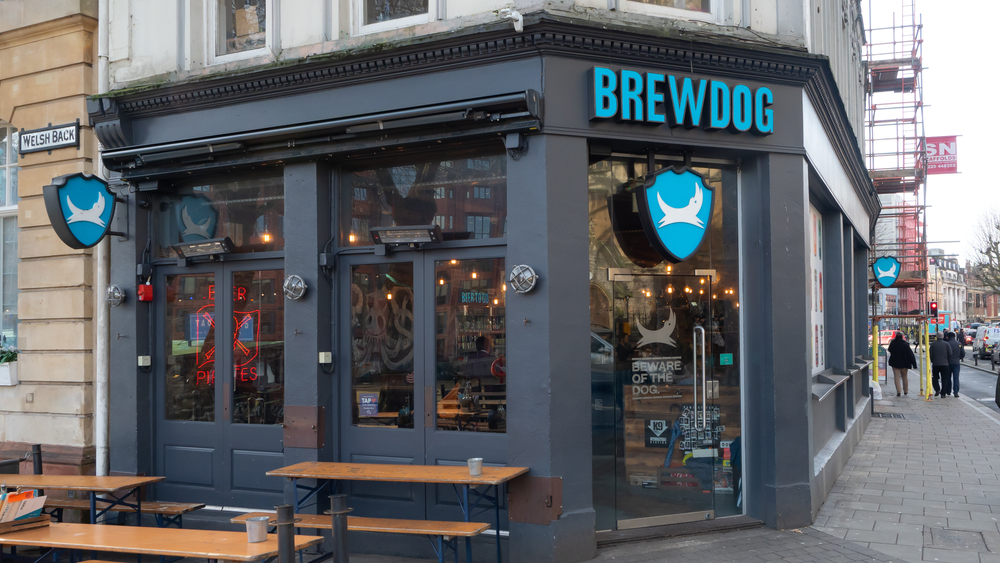
BrewDog row reignites as James Watt blames new owner for wiping out small shareholders

BrewDog appoints former Asda boss in bid to shake off ‘toxic’ company culture
News

James Watt has accused BrewDog’s new owner Tilray Brands of leaving thousands of small shareholders out of pocket, in the latest twist in the craft beer retailer’s increasingly bitter saga.

The BrewDog founder said he was “really disappointed” that Tilray failed to preserve a stake for the company’s army of early backers, known as its “equity punks”, after acquiring the business earlier this month in a rescue deal worth £33m.

Watt had reportedly tried to buy back the business himself during the emergency sale process, positioning himself as a figure who could protect BrewDog’s community of smaller investors. However, he was ultimately unsuccessful, with US cannabis and drinks group Tilray securing BrewDog’s brand, brewery and 11 pubs.

The deal marked a dramatic collapse in value for the business, which had at one stage been valued at around £1bn.

As part of the transaction, BrewDog’s shareholders were wiped out, including TSG Consumer Partners, the private equity backer that invested in the business in 2017, as well as Watt and co-founder Martin Dickie. The company’s retail investor base also lost their holdings.

In comments reported by The Telegraph, Watt said: “BrewDog was my whole life for almost two decades, and despite all the ups and downs, I am proud of what the team, in partnership with our community, was able to achieve.

“However, it is fair to say that it was certainly not the ending that I had hoped for.”

He added that Tilray chief executive Irwin Simon had previously indicated that equity punks would retain a stake if he acquired the business.

“I am really disappointed that he did not do this, and consequently, the Equity Punks were left with nothing,” Watt said. “That is something I would never have done.”

Watt also used his intervention to call on Tilray to reinstate the real living wage at BrewDog, which the company dropped in 2024 as it battled mounting losses.

“For me, there is no BrewDog fightback without taking the community with us, without ensuring all team shares are honoured and without reinstating the real living wage,” he said.

His comments risk reopening old tensions around the business just as Tilray attempts to move BrewDog on from the Watt era.

Simon appeared keen to draw a line under the founder’s involvement, telling The Telegraph that the company did not need Watt to be part of its next chapter.

“I haven’t spoken to James Watt, but listen, the past is the past,” Simon said.

“We don’t need James Watt, because what happens if James Watt were ever to come back here – and I’m being very clear, he’s not – then this becomes about James Watt’s second and third act.”

Tilray’s takeover followed a rapid-fire sale process, with Simon saying there had been little time for the kind of due diligence that would usually accompany a deal of this scale.

He said there was “no money left” by the time Tilray stepped in.

The acquisition has already had major consequences for BrewDog’s estate. The group’s remaining 38 pubs were immediately closed in the wake of the rescue deal, resulting in almost 500 job losses. Tilray has since acquired a further five BrewDog pubs in Britain, along with the company’s breweries in Australia and the US.

The latest exchange underscores how BrewDog’s troubles are still playing out in public, with the brand’s financial collapse now giving way to a fresh round of recriminations.

For a business once built on community, rebellion and direct-to-consumer loyalty, the row over who failed BrewDog’s small investors may prove to be one of the most damaging chapters yet.

Click here to sign up to Retail Gazette‘s free daily email newsletter

News

Leave a Reply

Your email address will not be published. Required fields are marked *

Fill out this field
Fill out this field
Please enter a valid email address.

News

Share:

BrewDog row reignites as James Watt blames new owner for wiping out small shareholders

BrewDog appoints former Asda boss in bid to shake off ‘toxic’ company culture

James Watt has accused BrewDog’s new owner Tilray Brands of leaving thousands of small shareholders out of pocket, in the latest twist in the craft beer retailer’s increasingly bitter saga.

The BrewDog founder said he was “really disappointed” that Tilray failed to preserve a stake for the company’s army of early backers, known as its “equity punks”, after acquiring the business earlier this month in a rescue deal worth £33m.

Watt had reportedly tried to buy back the business himself during the emergency sale process, positioning himself as a figure who could protect BrewDog’s community of smaller investors. However, he was ultimately unsuccessful, with US cannabis and drinks group Tilray securing BrewDog’s brand, brewery and 11 pubs.

The deal marked a dramatic collapse in value for the business, which had at one stage been valued at around £1bn.

As part of the transaction, BrewDog’s shareholders were wiped out, including TSG Consumer Partners, the private equity backer that invested in the business in 2017, as well as Watt and co-founder Martin Dickie. The company’s retail investor base also lost their holdings.

In comments reported by The Telegraph, Watt said: “BrewDog was my whole life for almost two decades, and despite all the ups and downs, I am proud of what the team, in partnership with our community, was able to achieve.

“However, it is fair to say that it was certainly not the ending that I had hoped for.”

He added that Tilray chief executive Irwin Simon had previously indicated that equity punks would retain a stake if he acquired the business.

“I am really disappointed that he did not do this, and consequently, the Equity Punks were left with nothing,” Watt said. “That is something I would never have done.”

Watt also used his intervention to call on Tilray to reinstate the real living wage at BrewDog, which the company dropped in 2024 as it battled mounting losses.

“For me, there is no BrewDog fightback without taking the community with us, without ensuring all team shares are honoured and without reinstating the real living wage,” he said.

His comments risk reopening old tensions around the business just as Tilray attempts to move BrewDog on from the Watt era.

Simon appeared keen to draw a line under the founder’s involvement, telling The Telegraph that the company did not need Watt to be part of its next chapter.

“I haven’t spoken to James Watt, but listen, the past is the past,” Simon said.

“We don’t need James Watt, because what happens if James Watt were ever to come back here – and I’m being very clear, he’s not – then this becomes about James Watt’s second and third act.”

Tilray’s takeover followed a rapid-fire sale process, with Simon saying there had been little time for the kind of due diligence that would usually accompany a deal of this scale.

He said there was “no money left” by the time Tilray stepped in.

The acquisition has already had major consequences for BrewDog’s estate. The group’s remaining 38 pubs were immediately closed in the wake of the rescue deal, resulting in almost 500 job losses. Tilray has since acquired a further five BrewDog pubs in Britain, along with the company’s breweries in Australia and the US.

The latest exchange underscores how BrewDog’s troubles are still playing out in public, with the brand’s financial collapse now giving way to a fresh round of recriminations.

For a business once built on community, rebellion and direct-to-consumer loyalty, the row over who failed BrewDog’s small investors may prove to be one of the most damaging chapters yet.

Click here to sign up to Retail Gazette‘s free daily email newsletter

Social


SUBSCRIBE TO OUR DAILY NEWSLETTER

  • This field is for validation purposes and should be left unchanged.
News

Leave a Reply

Your email address will not be published. Required fields are marked *

Fill out this field
Fill out this field
Please enter a valid email address.

RELATED STORIES

Latest Feature


Menu


Close popup

Please enter the verification code sent to your email:
