
Kingfisher faces make-or-break moment as home improvement market wobbles

Kingfisher has reported a slight drop in sales year-on-year as consumer spending balances out post-pandemic.
News

Easter is usually the moment Britain’s home improvement market kicks into gear.

Longer days, milder weather and the first signs of spring tend to prompt households to start thinking about repainting walls, refreshing gardens and finally tackling those long-delayed renovation jobs. For DIY retailers, it’s one of the most important seasonal trading periods of the year.

After years of turbulence, the sector is still trying to find stable ground following the extraordinary pandemic-era boom, when housebound consumers channelled time and money into their homes. Since then, the market has had to contend with tougher comparatives, squeezed household budgets and a wider pullback in discretionary spending.

There were signs earlier this year that conditions might be starting to improve. Topps Tiles reported a 3.7 per cent rise in first-quarter revenues in January, marking its fifth consecutive quarter of growth, while Victorian Plumbing also pointed to a positive start to the year with continued gains across categories.

However, fresh geopolitical instability has threatened to knock that tentative recovery off course.

The war in the Middle East is now expected to place additional pressure on the housing market and wider consumer confidence, raising concerns about the outlook for renovation demand and higher-ticket home improvement purchases.

That makes this week’s update from Kingfisher particularly significant.

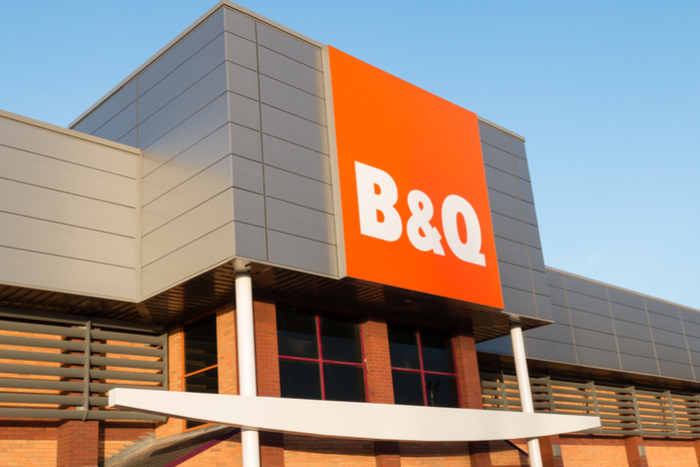
The B&Q and Screwfix owner is due to report on Tuesday, and investors will be watching closely for clues not just about its own trajectory, but about the health of the wider sector.

The FTSE 100 group has spent the past several years trying to steady performance after a bruising period marked by weak demand in France and Poland, as well as operational setbacks.

Expectations suggest improvement, but little more than that.

Analysts are forecasting group like-for-like sales growth of around 1.1 per cent to £12.9bn for the year to the end of January, compared with a 1.7 per cent decline a year earlier. Adjusted pre-tax profit is expected to reach about £559m, up from £528m, but still below pre-pandemic levels.

Deutsche Bank has estimated fourth-quarter sales growth of 2.4 per cent, driven in part by stronger UK trading, while France continues to lag amid weaker consumer confidence.

The wider picture remains fragile

Travis Perkins warned last week that global unrest, including the conflicts in Ukraine and the Middle East, continued to pose risks through supply chain disruption and macroeconomic volatility. The group has already felt the impact of a slower housing market, with profits dented by softer housebuilding activity.

Wickes has struck a similarly cautious tone. Chief executive David Wood recently described trading conditions as challenging, pointing to an uncertain consumer backdrop and geopolitical pressures, although he stressed that the business was relatively well protected by its focus on repair and maintenance.

That side of the market has proved more resilient than larger discretionary renovation projects, helped by the UK’s ageing housing stock and the ongoing need for essential upkeep.

Other retailers are also feeling the strain.

DFS has warned that the conflict could disrupt orders and hit footfall, while Robert Dyas has flagged rising freight and fuel surcharges. Owner Theo Paphitis said higher shipping costs were already filtering through into inflation, adding yet another burden for consumers already watching their spending more closely.

Neil Mason, retail director at Mintel, said the sector had entered 2026 in a position of “relative resilience”, but warned that any recovery remained uneven and vulnerable to external shocks.

He said instability in Ukraine and the Middle East was continuing to shape costs, confidence and investment decisions through energy price volatility, transport pressures and supply chain uncertainty.

Retailers exposed to repair and maintenance are expected to fare better than those more reliant on newbuild-related demand, with higher interest rates and a sluggish housing market continuing to weigh heavily on larger projects.

Clive Black, analyst at Shore Capital, said the pressure on the sector was symptomatic of a wider malaise across the consumer economy.

He warned that rising energy prices, freight costs and mortgage rates risked undermining confidence further, while also limiting the likelihood of interest rate cuts that could have offered some relief to households and discretionary retailers.

In other words, Easter may still bring a seasonal bounce, but it is unlikely to mask the deeper pressures facing the DIY market.

For Kingfisher, and for the wider home improvement sector, this spring looks set to be another major test.

Click here to sign up to Retail Gazette‘s free daily email newsletter

News

Leave a Reply

Your email address will not be published. Required fields are marked *

Fill out this field
Fill out this field
Please enter a valid email address.

News

Share:

Kingfisher faces make-or-break moment as home improvement market wobbles

Kingfisher has reported a slight drop in sales year-on-year as consumer spending balances out post-pandemic.

Easter is usually the moment Britain’s home improvement market kicks into gear.

Longer days, milder weather and the first signs of spring tend to prompt households to start thinking about repainting walls, refreshing gardens and finally tackling those long-delayed renovation jobs. For DIY retailers, it’s one of the most important seasonal trading periods of the year.

After years of turbulence, the sector is still trying to find stable ground following the extraordinary pandemic-era boom, when housebound consumers channelled time and money into their homes. Since then, the market has had to contend with tougher comparatives, squeezed household budgets and a wider pullback in discretionary spending.

There were signs earlier this year that conditions might be starting to improve. Topps Tiles reported a 3.7 per cent rise in first-quarter revenues in January, marking its fifth consecutive quarter of growth, while Victorian Plumbing also pointed to a positive start to the year with continued gains across categories.

However, fresh geopolitical instability has threatened to knock that tentative recovery off course.

The war in the Middle East is now expected to place additional pressure on the housing market and wider consumer confidence, raising concerns about the outlook for renovation demand and higher-ticket home improvement purchases.

That makes this week’s update from Kingfisher particularly significant.

The B&Q and Screwfix owner is due to report on Tuesday, and investors will be watching closely for clues not just about its own trajectory, but about the health of the wider sector.

The FTSE 100 group has spent the past several years trying to steady performance after a bruising period marked by weak demand in France and Poland, as well as operational setbacks.

Expectations suggest improvement, but little more than that.

Analysts are forecasting group like-for-like sales growth of around 1.1 per cent to £12.9bn for the year to the end of January, compared with a 1.7 per cent decline a year earlier. Adjusted pre-tax profit is expected to reach about £559m, up from £528m, but still below pre-pandemic levels.

Deutsche Bank has estimated fourth-quarter sales growth of 2.4 per cent, driven in part by stronger UK trading, while France continues to lag amid weaker consumer confidence.

The wider picture remains fragile

Travis Perkins warned last week that global unrest, including the conflicts in Ukraine and the Middle East, continued to pose risks through supply chain disruption and macroeconomic volatility. The group has already felt the impact of a slower housing market, with profits dented by softer housebuilding activity.

Wickes has struck a similarly cautious tone. Chief executive David Wood recently described trading conditions as challenging, pointing to an uncertain consumer backdrop and geopolitical pressures, although he stressed that the business was relatively well protected by its focus on repair and maintenance.

That side of the market has proved more resilient than larger discretionary renovation projects, helped by the UK’s ageing housing stock and the ongoing need for essential upkeep.

Other retailers are also feeling the strain.

DFS has warned that the conflict could disrupt orders and hit footfall, while Robert Dyas has flagged rising freight and fuel surcharges. Owner Theo Paphitis said higher shipping costs were already filtering through into inflation, adding yet another burden for consumers already watching their spending more closely.

Neil Mason, retail director at Mintel, said the sector had entered 2026 in a position of “relative resilience”, but warned that any recovery remained uneven and vulnerable to external shocks.

He said instability in Ukraine and the Middle East was continuing to shape costs, confidence and investment decisions through energy price volatility, transport pressures and supply chain uncertainty.

Retailers exposed to repair and maintenance are expected to fare better than those more reliant on newbuild-related demand, with higher interest rates and a sluggish housing market continuing to weigh heavily on larger projects.

Clive Black, analyst at Shore Capital, said the pressure on the sector was symptomatic of a wider malaise across the consumer economy.

He warned that rising energy prices, freight costs and mortgage rates risked undermining confidence further, while also limiting the likelihood of interest rate cuts that could have offered some relief to households and discretionary retailers.

In other words, Easter may still bring a seasonal bounce, but it is unlikely to mask the deeper pressures facing the DIY market.

For Kingfisher, and for the wider home improvement sector, this spring looks set to be another major test.

Click here to sign up to Retail Gazette‘s free daily email newsletter

Social


SUBSCRIBE TO OUR DAILY NEWSLETTER

  • This field is for validation purposes and should be left unchanged.
News

Leave a Reply

Your email address will not be published. Required fields are marked *

Fill out this field
Fill out this field
Please enter a valid email address.

RELATED STORIES

Latest Feature


Menu


Close popup

Please enter the verification code sent to your email: