

Retail parks running out of space as Aldi and Lidl fuel occupier rush

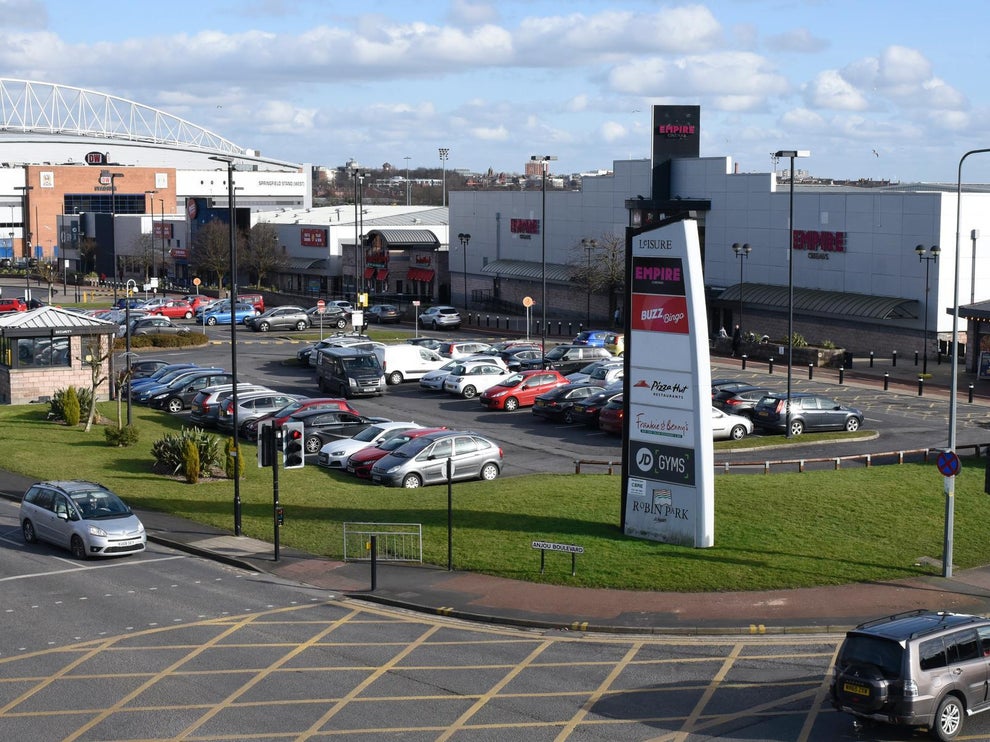
Robin Retail Park Frasers Group acquisition Michael Murray
News

UK retail parks are becoming “effectively full” as Aldi, Lidl and other value-led retailers continue to compete for a shrinking pool of available units.

New research from Savills found that available space across retail parks has dropped to just 1.8 per cent of total floorspace once obsolete and long-term vacant units are stripped out.

While the headline vacancy rate stands at 4.3 per cent, Savills said almost 43 per cent of that empty space has been vacant for three years or more, either because it is no longer fit for modern occupiers or is caught up in planning constraints.

That leaves around 7.5m sq ft of genuinely available space across the market, less than one year’s supply based on average net take-up over the past three years.

The squeeze comes despite letting volumes falling below historic levels. Savills recorded 721 lettings in 2025, compared with a long-term average of 847, but said this reflected a lack of available stock rather than any weakening in retailer demand.

Savills co-head of out-of-town retail Johnny Rowland said: “The current market is best characterised by a structural imbalance between supply and demand.

“While lettings volumes appear below trend, this reflects an acute shortage of new and available space caused by a lack of available land, high build costs and challenging appraisals, as well as the general covenant strength of the sector.

“This is creating a highly competitive environment, particularly for well-located schemes, where securing space increasingly requires early engagement or waiting for rare lease events.”

Retail parks have become one of the stickiest areas of the property market, with retailers increasingly reluctant to give up units that support both store sales and omnichannel operations.

Savills’ own deal data shows that 92 per cent of occupiers renewed lease commitments between 2023 and 2026, with just 8 per cent vacating. Where space does return to the market, it is often tied to restructurings or operators relocating into better configured units rather than a wider retreat from out-of-town retail.

The shortage has been intensified by the changing shape of retail park tenants. The sector was once dominated by bulky goods retailers such as furniture, carpets, electricals and DIY chains, but that mix has shifted sharply towards grocery, discount and value-led operators.

Savills said bulky goods, homewares and electricals accounted for 46.8 per cent of UK retail warehousing floorspace in 2012, falling to 31 per cent by 2025.

Discount grocery has moved in the opposite direction, rising from 1.3 per cent of floorspace in 2012 to 16.6 per cent in 2025, driven by the continued expansion of Aldi and Lidl. Discount variety has also grown from 4.2 per cent to 15.9 per cent over the same period, helped by chains such as B&M, Home Bargains and The Range.

Savills commercial research director Sam Arrowsmith said: “The evolution of the occupier base has fundamentally reshaped the retail warehouse market over the past decade.

“Where the sector was once dominated by bulky goods such as furniture, carpets and electricals, these categories have seen their share of floorspace fall, as growth has shifted towards grocery, discount and value-led operators.

“In particular, discount grocery and variety have expanded rapidly, significantly increasing their presence within retail parks.

“This reweighting towards essential and value-driven uses has not only broadened demand, but also underpinned stronger retention, creating a more resilient, supply-constrained market.”

The findings come as the UK’s biggest discounters continue to push ahead with aggressive store expansion.

Aldi is opening 16 new stores over the coming months as part of a planned £370m investment in new shops this year, supporting its long-term target of reaching 1,500 UK stores. The supermarket already has more than 1,080 stores nationwide.

Lidl is also expanding rapidly, with plans to open more than 50 new stores in the next 12 months through a £600m investment programme. The discounter said the rollout would create almost 2,000 jobs and form part of the most ambitious standard store opening programme in the UK supermarket sector this year.

Retail parks have benefited from shoppers seeking value, convenience, free parking and essential-led retail during a period of fragile consumer confidence.

Savills said demand was no longer coming only from traditional out-of-town names, with high street operators such as Next, Superdrug, Marks & Spencer and Skechers increasingly looking at retail park formats alongside city centre and shopping centre locations.

However, with little meaningful new development coming through and construction costs still high, landlords are likely to remain in a strong position for the best schemes.

Click here to sign up to Retail Gazette‘s free daily email newsletter

News

Leave a Reply

Your email address will not be published. Required fields are marked *

Fill out this field
Fill out this field
Please enter a valid email address.

News

Share:

Retail parks running out of space as Aldi and Lidl fuel occupier rush

Robin Retail Park Frasers Group acquisition Michael Murray

UK retail parks are becoming “effectively full” as Aldi, Lidl and other value-led retailers continue to compete for a shrinking pool of available units.

New research from Savills found that available space across retail parks has dropped to just 1.8 per cent of total floorspace once obsolete and long-term vacant units are stripped out.

While the headline vacancy rate stands at 4.3 per cent, Savills said almost 43 per cent of that empty space has been vacant for three years or more, either because it is no longer fit for modern occupiers or is caught up in planning constraints.

That leaves around 7.5m sq ft of genuinely available space across the market, less than one year’s supply based on average net take-up over the past three years.

The squeeze comes despite letting volumes falling below historic levels. Savills recorded 721 lettings in 2025, compared with a long-term average of 847, but said this reflected a lack of available stock rather than any weakening in retailer demand.

Savills co-head of out-of-town retail Johnny Rowland said: “The current market is best characterised by a structural imbalance between supply and demand.

“While lettings volumes appear below trend, this reflects an acute shortage of new and available space caused by a lack of available land, high build costs and challenging appraisals, as well as the general covenant strength of the sector.

“This is creating a highly competitive environment, particularly for well-located schemes, where securing space increasingly requires early engagement or waiting for rare lease events.”

Retail parks have become one of the stickiest areas of the property market, with retailers increasingly reluctant to give up units that support both store sales and omnichannel operations.

Savills’ own deal data shows that 92 per cent of occupiers renewed lease commitments between 2023 and 2026, with just 8 per cent vacating. Where space does return to the market, it is often tied to restructurings or operators relocating into better configured units rather than a wider retreat from out-of-town retail.

The shortage has been intensified by the changing shape of retail park tenants. The sector was once dominated by bulky goods retailers such as furniture, carpets, electricals and DIY chains, but that mix has shifted sharply towards grocery, discount and value-led operators.

Savills said bulky goods, homewares and electricals accounted for 46.8 per cent of UK retail warehousing floorspace in 2012, falling to 31 per cent by 2025.

Discount grocery has moved in the opposite direction, rising from 1.3 per cent of floorspace in 2012 to 16.6 per cent in 2025, driven by the continued expansion of Aldi and Lidl. Discount variety has also grown from 4.2 per cent to 15.9 per cent over the same period, helped by chains such as B&M, Home Bargains and The Range.

Savills commercial research director Sam Arrowsmith said: “The evolution of the occupier base has fundamentally reshaped the retail warehouse market over the past decade.

“Where the sector was once dominated by bulky goods such as furniture, carpets and electricals, these categories have seen their share of floorspace fall, as growth has shifted towards grocery, discount and value-led operators.

“In particular, discount grocery and variety have expanded rapidly, significantly increasing their presence within retail parks.

“This reweighting towards essential and value-driven uses has not only broadened demand, but also underpinned stronger retention, creating a more resilient, supply-constrained market.”

The findings come as the UK’s biggest discounters continue to push ahead with aggressive store expansion.

Aldi is opening 16 new stores over the coming months as part of a planned £370m investment in new shops this year, supporting its long-term target of reaching 1,500 UK stores. The supermarket already has more than 1,080 stores nationwide.

Lidl is also expanding rapidly, with plans to open more than 50 new stores in the next 12 months through a £600m investment programme. The discounter said the rollout would create almost 2,000 jobs and form part of the most ambitious standard store opening programme in the UK supermarket sector this year.

Retail parks have benefited from shoppers seeking value, convenience, free parking and essential-led retail during a period of fragile consumer confidence.

Savills said demand was no longer coming only from traditional out-of-town names, with high street operators such as Next, Superdrug, Marks & Spencer and Skechers increasingly looking at retail park formats alongside city centre and shopping centre locations.

However, with little meaningful new development coming through and construction costs still high, landlords are likely to remain in a strong position for the best schemes.

Click here to sign up to Retail Gazette‘s free daily email newsletter

Social


SUBSCRIBE TO OUR DAILY NEWSLETTER

  • This field is for validation purposes and should be left unchanged.
News

Leave a Reply

Your email address will not be published. Required fields are marked *

Fill out this field
Fill out this field
Please enter a valid email address.

RELATED STORIES

Latest Feature


Menu


Close popup

Please enter the verification code sent to your email:
