
Grocery’s next battle: why rivals may have to work together to survive

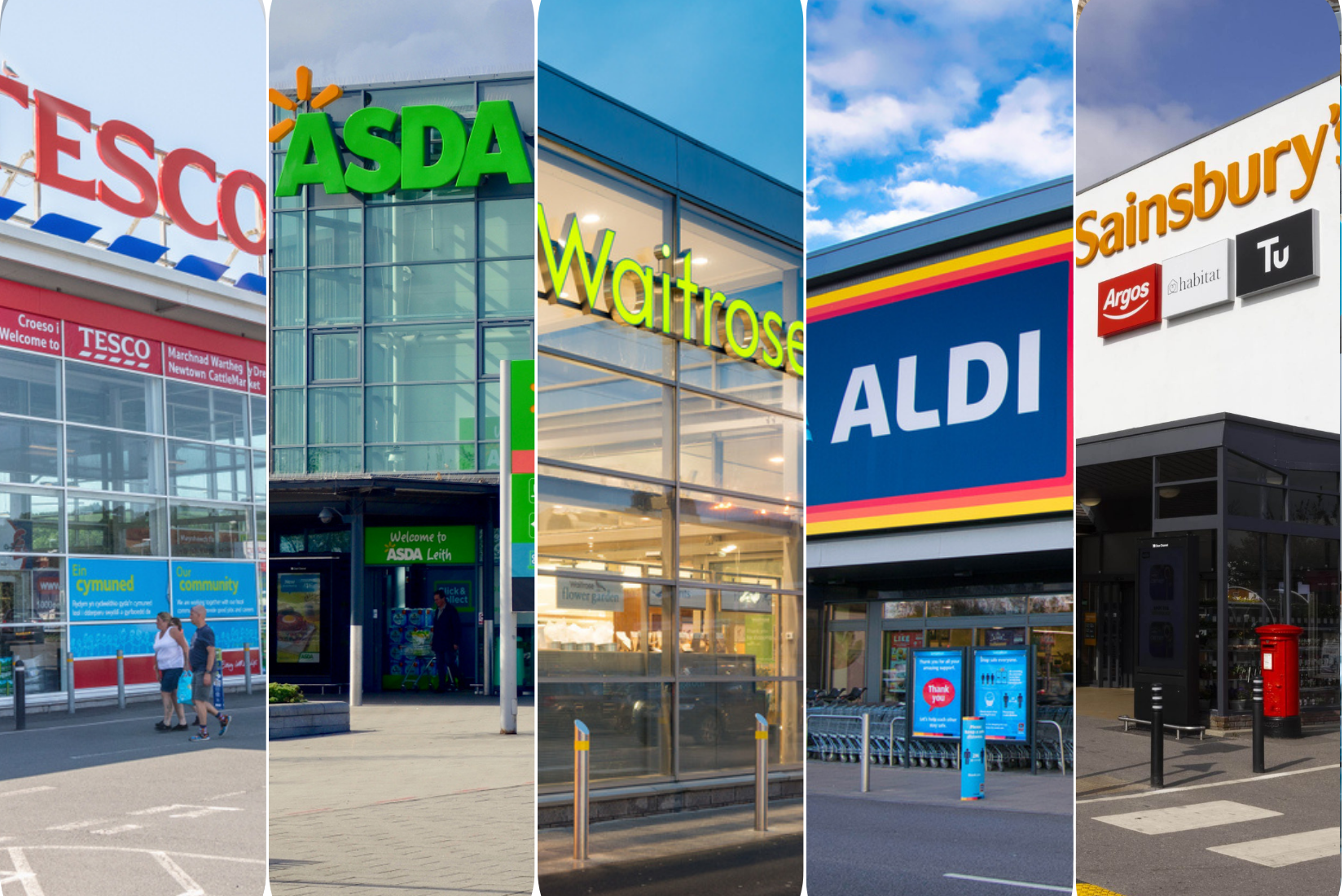
Here showing grocery supermarkets Tesco Asda Waitrose Aldi and Sainsbury's
News

For decades, competition has been at the heart of the grocery industry. Retailers have fought for market share, while suppliers have protected their margins, and logistics networks have often been treated as closely guarded advantages.

But according to IGD head of supply chain James Rothwell rising costs and growing pressure on businesses are forcing a rethink.

The latest research from IGD argues that food supply chains are entering a new era where companies will have to “do more with less”. This could involved moving greater volumes, improving service levels and becoming more resilient, all while operating under tighter financial pressure.

Rothwell explains: “When you look at the market, you see almost a balance point emerging of downward cost pressure, but then obviously the need to invest to handle growth.”

He says pressure is coming from multiple directions. Food businesses are facing higher labour, energy and transport costs, while also dealing with increasing disruption from geopolitical tensions, extreme weather and changing consumer expectations.

Recent years have shown how vulnerable global supply chains can be. Disruption in key shipping routes, including the Red Sea, has forced vessels to take longer routes, increasing costs and adding uncertainty. The wider geopolitical instability around major trade routes such as the Strait of Hormuz has also highlighted the risks of relying on fragile supply networks.

At the same time, climate change is creating challenges for food production, with unpredictable weather affecting crops, harvests and availability of key ingredients.

For Rothwell, these pressures mean the industry cannot rely on traditional efficiency measures alone.

The end of the easy efficiency gains

Many of the biggest retailers and manufacturers have spent years improving their supply chains. They have invested in automation, better forecasting, larger vehicles, warehouse technology and data systems.

But Rothwell argues that many of the largest players have already captured many of the obvious savings.

“Those who have been doing it have squeezed the juice they can,” he says.

“Your network’s already efficient. You’ve optimised pallets, stock, and some of the new data science technologies have made that as efficient as it can be.”

The next improvements, he believes, will come from looking beyond individual businesses and improving the connections between them.

An example Rothwell highlights is French retailer Carrefour, which invested in a gas-powered vehicle fleet as part of its decarbonisation strategy. The challenge was that the infrastructure needed to support that fleet created a significant cost.

Rather than keeping the network exclusively for itself, Carrefour opened fuelling stations to competitors, creating additional revenue while helping other businesses reduce emissions.

Rothwell believes similar thinking could emerge in the UK, particularly around electric freight.

“If I have 30 trucks and you have 30 trucks, you can charge in mine and I’ll charge in yours, and that way you create a mutual network,” he says.

The idea is simple: sharing infrastructure could make expensive investments more affordable and help smaller suppliers participate in the transition to cleaner transport.

Could collaboration become a commercial necessity?

However, Rothwell is careful not to suggest the whole industry will suddenly become open-book partners.

Instead, he believes collaboration will first happen among businesses that need it most.

“Previously, or right now, it’s reserved for that elite few with the most expansive networks in the country,” he says.

The opportunity, he argues, lies among the thousands of suppliers that sit between major retailers and global food companies.

“At least 60 per cent of a retailer’s volume comes from small to medium-sized suppliers,” he says. “Those are totally off limits to the kind of discussions we’re talking about.”

This matters because retailers are under growing pressure to meet sustainability commitments, including reducing emissions from their supply chains.

Rothwell points to the challenge of suppliers in regions such as the South West, where important food production continues because of heritage, quality and agricultural conditions, but where large-scale logistics infrastructure may be harder to establish.

“For big retailers to hit their goals, they still need to get those suppliers decarbonised,” he says.

Collaboration, he argues, could reduce the cost and risk of making that transition.

The future of supply chains

Technology will also play a central role, but Rothwell warns businesses should avoid investing in technology without fixing the basics first.

A common mistake, he says, is companies saying they are “looking at AI” without understanding what they actually need it to achieve.

“Rather than saying, ‘I’m looking at doing AI’, it’s actually: what do I do with AI? How is your data ready? How do you build on that?”

His advice to food businesses is to start preparing now. “Build the foundations now,” he says. “Build your data, get data ready, evaluate your data points, integrate strong data integrity principles, and ensure that you have a clean data process for all of the key decision points that you need in the supply chain.”

He also warns businesses must treat digital security as seriously as physical security.

As supply chains become more connected, cyber risks become another potential source of disruption. Technology may improve efficiency, but it can also create new vulnerabilities.

The companies that succeed, Rothwell believes, will be those that can balance investment in efficiency with investment in resilience.

“The planning work starts now,” he says.

The future food supply chain will not simply be about who can operate most efficiently alone. Increasingly, it may depend on who can build the strongest network around them.

Click here to sign up to Retail Gazette‘s free daily email newsletter
News

Leave a Reply

Your email address will not be published. Required fields are marked *

Fill out this field
Fill out this field
Please enter a valid email address.

News

Share:

Grocery’s next battle: why rivals may have to work together to survive

Here showing grocery supermarkets Tesco Asda Waitrose Aldi and Sainsbury's

For decades, competition has been at the heart of the grocery industry. Retailers have fought for market share, while suppliers have protected their margins, and logistics networks have often been treated as closely guarded advantages.

But according to IGD head of supply chain James Rothwell rising costs and growing pressure on businesses are forcing a rethink.

The latest research from IGD argues that food supply chains are entering a new era where companies will have to “do more with less”. This could involved moving greater volumes, improving service levels and becoming more resilient, all while operating under tighter financial pressure.

Rothwell explains: “When you look at the market, you see almost a balance point emerging of downward cost pressure, but then obviously the need to invest to handle growth.”

He says pressure is coming from multiple directions. Food businesses are facing higher labour, energy and transport costs, while also dealing with increasing disruption from geopolitical tensions, extreme weather and changing consumer expectations.

Recent years have shown how vulnerable global supply chains can be. Disruption in key shipping routes, including the Red Sea, has forced vessels to take longer routes, increasing costs and adding uncertainty. The wider geopolitical instability around major trade routes such as the Strait of Hormuz has also highlighted the risks of relying on fragile supply networks.

At the same time, climate change is creating challenges for food production, with unpredictable weather affecting crops, harvests and availability of key ingredients.

For Rothwell, these pressures mean the industry cannot rely on traditional efficiency measures alone.

The end of the easy efficiency gains

Many of the biggest retailers and manufacturers have spent years improving their supply chains. They have invested in automation, better forecasting, larger vehicles, warehouse technology and data systems.

But Rothwell argues that many of the largest players have already captured many of the obvious savings.

“Those who have been doing it have squeezed the juice they can,” he says.

“Your network’s already efficient. You’ve optimised pallets, stock, and some of the new data science technologies have made that as efficient as it can be.”

The next improvements, he believes, will come from looking beyond individual businesses and improving the connections between them.

An example Rothwell highlights is French retailer Carrefour, which invested in a gas-powered vehicle fleet as part of its decarbonisation strategy. The challenge was that the infrastructure needed to support that fleet created a significant cost.

Rather than keeping the network exclusively for itself, Carrefour opened fuelling stations to competitors, creating additional revenue while helping other businesses reduce emissions.

Rothwell believes similar thinking could emerge in the UK, particularly around electric freight.

“If I have 30 trucks and you have 30 trucks, you can charge in mine and I’ll charge in yours, and that way you create a mutual network,” he says.

The idea is simple: sharing infrastructure could make expensive investments more affordable and help smaller suppliers participate in the transition to cleaner transport.

Could collaboration become a commercial necessity?

However, Rothwell is careful not to suggest the whole industry will suddenly become open-book partners.

Instead, he believes collaboration will first happen among businesses that need it most.

“Previously, or right now, it’s reserved for that elite few with the most expansive networks in the country,” he says.

The opportunity, he argues, lies among the thousands of suppliers that sit between major retailers and global food companies.

“At least 60 per cent of a retailer’s volume comes from small to medium-sized suppliers,” he says. “Those are totally off limits to the kind of discussions we’re talking about.”

This matters because retailers are under growing pressure to meet sustainability commitments, including reducing emissions from their supply chains.

Rothwell points to the challenge of suppliers in regions such as the South West, where important food production continues because of heritage, quality and agricultural conditions, but where large-scale logistics infrastructure may be harder to establish.

“For big retailers to hit their goals, they still need to get those suppliers decarbonised,” he says.

Collaboration, he argues, could reduce the cost and risk of making that transition.

The future of supply chains

Technology will also play a central role, but Rothwell warns businesses should avoid investing in technology without fixing the basics first.

A common mistake, he says, is companies saying they are “looking at AI” without understanding what they actually need it to achieve.

“Rather than saying, ‘I’m looking at doing AI’, it’s actually: what do I do with AI? How is your data ready? How do you build on that?”

His advice to food businesses is to start preparing now. “Build the foundations now,” he says. “Build your data, get data ready, evaluate your data points, integrate strong data integrity principles, and ensure that you have a clean data process for all of the key decision points that you need in the supply chain.”

He also warns businesses must treat digital security as seriously as physical security.

As supply chains become more connected, cyber risks become another potential source of disruption. Technology may improve efficiency, but it can also create new vulnerabilities.

The companies that succeed, Rothwell believes, will be those that can balance investment in efficiency with investment in resilience.

“The planning work starts now,” he says.

The future food supply chain will not simply be about who can operate most efficiently alone. Increasingly, it may depend on who can build the strongest network around them.

Click here to sign up to Retail Gazette‘s free daily email newsletter

Social


SUBSCRIBE TO OUR DAILY NEWSLETTER

  • This field is for validation purposes and should be left unchanged.
News

Leave a Reply

Your email address will not be published. Required fields are marked *

Fill out this field
Fill out this field
Please enter a valid email address.

RELATED STORIES

Latest Feature


Menu


Close popup

Please enter the verification code sent to your email:
