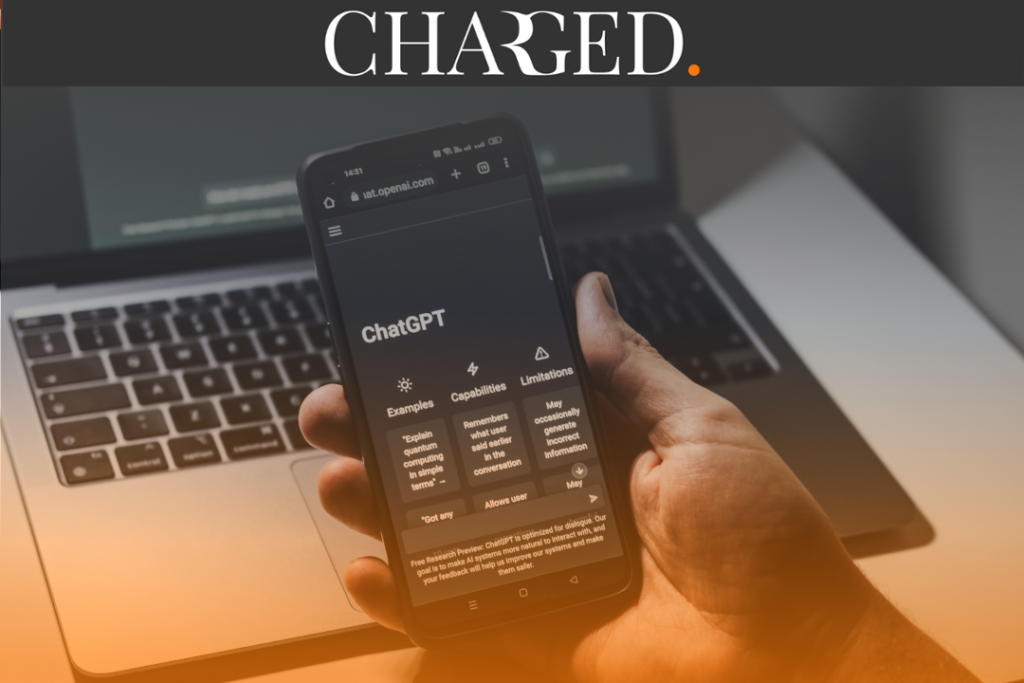


OpenAI is scaling back its ambitions to turn ChatGPT into a direct ecommerce checkout channel, instead repositioning the platform as a product discovery and comparison tool after weak uptake of its Instant Checkout feature.
The AI company said it is rolling out a new shopping experience within ChatGPT that allows users to search for products by uploading images or describing what they are looking for in natural language, while also factoring in preferences such as budget, style and other constraints.
As part of the update, ChatGPT will show more visual product results designed to help shoppers compare different options more easily.
In a blog post announcing the changes, OpenAI said it had improved “speed, relevance and product coverage”, adding that results would now be more up to date and useful for consumers.
The move marks a notable shift in strategy after the company’s Instant Checkout feature failed to gain meaningful traction. OpenAI launched the functionality last year and initially positioned it as the next step in AI-enabled commerce, allowing users to complete purchases directly within ChatGPT from selected retailers including Etsy, Walmart and Shopify.
However, analysts previously suggested the company had underestimated the complexity of building a viable transactional shopping experience inside the chatbot.
Challenges reportedly included merchant onboarding, maintaining accurate product data, enabling multi-item baskets and integrating loyalty schemes.
OpenAI said the original version of Instant Checkout did not deliver the level of flexibility it wanted to provide.
“We’ve found that the initial version of Instant Checkout did not offer the level of flexibility that we aspire to provide, so we’re allowing merchants to use their own checkout experiences while we focus our efforts on product discovery,” the company said.
Under the new model, merchants can share product feeds and promotions directly with OpenAI so their ranges are more fully represented within ChatGPT. Retailers including Target, Sephora and Nordstrom are already supporting the updated product discovery experience.
The company added that merchants looking for deeper integrations can continue to build custom apps within ChatGPT, giving them more control over the customer journey and transaction flow.
That functionality was first introduced at OpenAI’s developer conference in October and has since been adopted by retail players including Instacart and Target.
Walmart also unveiled an in-app ChatGPT service on Tuesday, which OpenAI said supports features such as linking, loyalty and Walmart payments.
Alongside OpenAI’s announcement, Shopify said it was also upgrading the shopping experience in ChatGPT. The ecommerce giant said it would allow Shopify merchants to connect their storefronts to its catalogue and complete purchases through an in-app browser.
Shopify is also launching a new service called Agentic Plan, designed to help merchants without a Shopify storefront surface their products through Shopify’s tools in ChatGPT, Google Gemini and other AI-driven environments.
The shift suggests OpenAI is increasingly viewing ChatGPT less as a direct point of sale and more as a research-led shopping assistant, aimed at helping users compare products, assess features and make better-informed purchasing decisions before completing transactions elsewhere.
That strategy is being supported by OpenAI’s Agentic Commerce Protocol, an open ecommerce standard developed with Stripe to bring merchant-supplied product data into AI-powered shopping journeys.
As competition intensifies around AI-enabled retail experiences, the company appears to be betting that discovery, rather than checkout, will be the stronger role for ChatGPT in the near term.
Click here to sign up to Retail Gazette‘s free daily email newsletter