


The UK government is preparing contingency plans to support food supply chains as the ongoing Iran conflict raises risks around key inputs, including carbon dioxide.
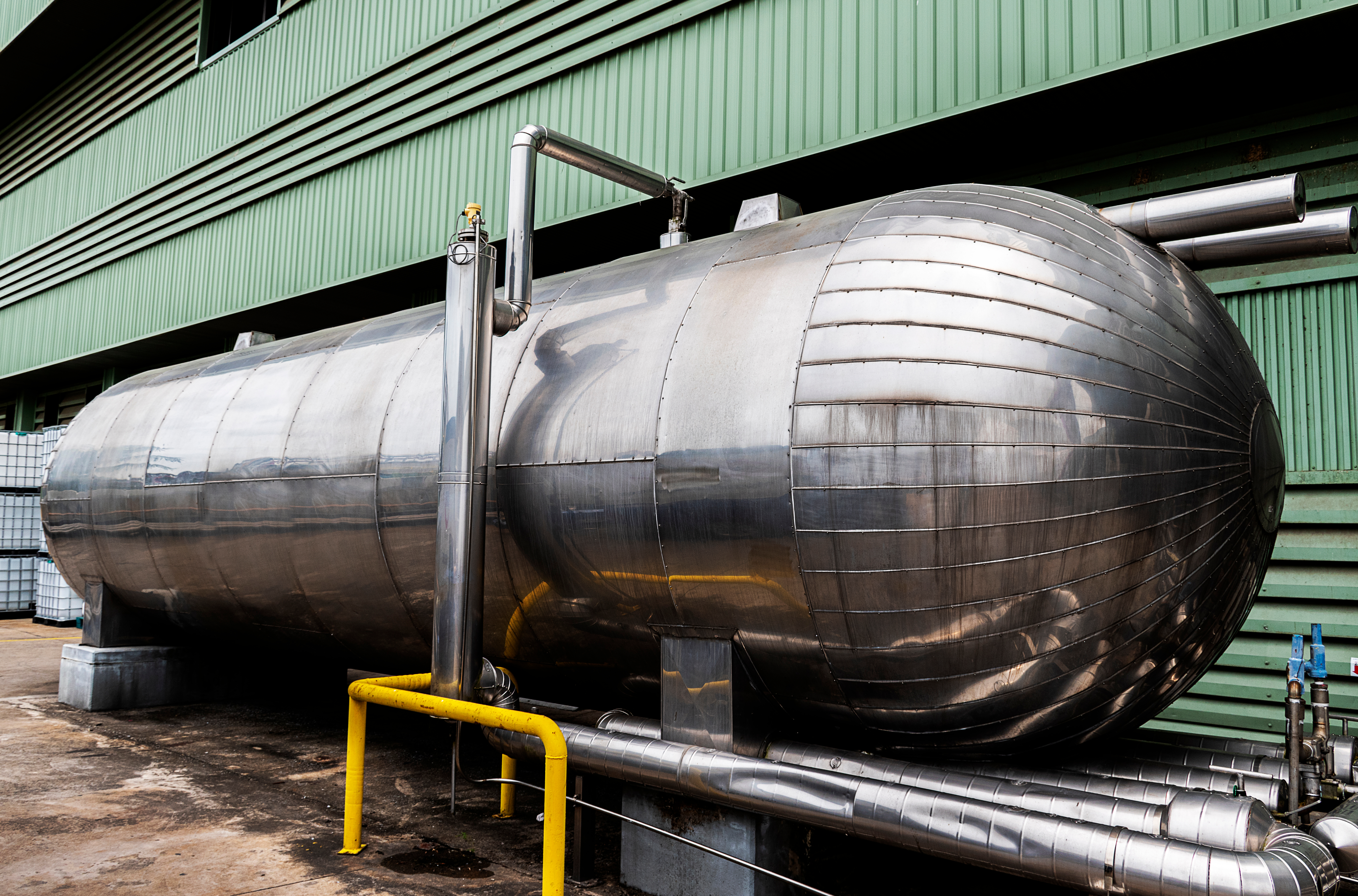
Government officials are modelling a worst-case scenario involving continued disruption in the Strait of Hormuz and potential shortages of CO2, as first reported in the BBC, which is used in meat processing, food preservation and fizzy drinks.
Today (16 April) industry bodies have moved to reassure retailers and shoppers, stressing that there are currently no major availability issues, though concerns are growing around rising costs.
British Retail Consortium said retailers are experienced in managing disruption but warned that the situation is adding inflationary pressure, while the British Poultry Council said it was “reassured” by government contingency planning, adding that members were not yet seeing supply problems.
In its trading update this morning, the UK’s largest retailer Tesco said its supply chain remains stable, with CEO Ken Murphy stating: “We are not flagging any issues in our supply chain at this point… we’re not seeing any availability issues. We are in very good shape.”
Related Story

However, the wider outlook remains uncertain. National Farmers’ Union has warned that produce prices could rise in the coming weeks, with further increases expected across dairy and other categories.
It is understood pressure stems from higher energy and fertiliser costs following disruption in global markets, with the Strait of Hormuz blockade impacting oil and gas flows through the region.
Meanwhile, technology providers say the situation highlights structural weaknesses in supply chain visibility.
Levent Ergin, chief strategist at Informatica added: “Food and beverage manufacturers will be planning how they keep production running, with reports of a potential fall in Co2 supplies.
“But continuity won’t depend on supply alone, it will hinge on real-time visibility across the supply chain. The shortage highlights how quickly a single constraint can cascade across food supply chains. It makes every decision on sourcing, production, and logistics material. But many organisations are still relying on fragmented or outdated data across their supply chain, making it difficult to see where their exposure really sits.”
While ministers have stressed there is no immediate risk to food availability, the government has already taken steps to shore up CO2 supply, including restarting domestic production capacity.
Click here to sign up to Retail Gazette‘s free daily email newsletter