Fashion Week impacts on the Retail Industry

NewsTechnology

As the second London Fashion Week this year came to an end last week, Carol Rashti, Marketing Director at Rakuten Marketing has put together key trends of LFW and how they can be translated from the catwalk to the high street by retail marketers.

One of the biggest digital trends which is slowly but surely dominating the industry is how Fashion Houses are now using social networking sites to increase revenue. Statistics show that almost 22,000 tweets were sent out regarding the Burberry Show.

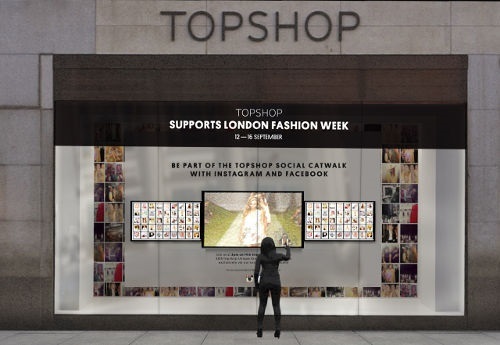
In response, industries are now tapping into the market of using media platforms to help promote their brand further, for instance Burberry was the first brand to pilot the Twitter ‘Buy‘ button with select garments straight from the catwalk, whilst Topshop teamed up with Instagram and Facebook to deliver visual snapshots of the new line.

Instant access is both appealing and addictive for those who wish to stay ahead of others. By harnessing the social experience and providing interesting content such as dynamic ads and interactive content, marketers can connect with their consumers during the discovery phase of shopping. This is all whilst ensuring that social chatter around the retailer continually comes back to the brand, making this tactical sales move very clever.

The use of live streaming of shows has created a direct link between Fashion houses and their customers. For instance last week, House of Holland partnered with Metail to allow customers to watch the show. Topshop fans also had the opportunity to appear in the window display of the flagship store on Oxford Street by using the hashtag #topshopwindow. The use of video is a great example of how the fashion industry is now bringing together e-commerce and the media, retailers are using this medium to engage customers and attract them to the brand.

Topshop have also recognised the big business of bloggers. This year they gave out ‘Frow‘ tickets to their unique show to 5 top instagrammers. Traditionally front row seats are only ever given to editors, style icons, buyers, stylists or top designers but unsurprisingly the fashion brand has realised the potential brand awareness they can gain from successful bloggers. Successful bloggers in the business have created platforms which enable them to report on trends as well as setting trends themselves. Maintaining and building these blogger relationships enables a bigger customer base to grow and drive sales.

NewsTechnology

Leave a Reply

Your email address will not be published. Required fields are marked *

Fill out this field
Fill out this field
Please enter a valid email address.

NewsTechnology

Share:

Fashion Week impacts on the Retail Industry

As the second London Fashion Week this year came to an end last week, Carol Rashti, Marketing Director at Rakuten Marketing has put together key trends of LFW and how they can be translated from the catwalk to the high street by retail marketers.

One of the biggest digital trends which is slowly but surely dominating the industry is how Fashion Houses are now using social networking sites to increase revenue. Statistics show that almost 22,000 tweets were sent out regarding the Burberry Show.

In response, industries are now tapping into the market of using media platforms to help promote their brand further, for instance Burberry was the first brand to pilot the Twitter ‘Buy‘ button with select garments straight from the catwalk, whilst Topshop teamed up with Instagram and Facebook to deliver visual snapshots of the new line.

Instant access is both appealing and addictive for those who wish to stay ahead of others. By harnessing the social experience and providing interesting content such as dynamic ads and interactive content, marketers can connect with their consumers during the discovery phase of shopping. This is all whilst ensuring that social chatter around the retailer continually comes back to the brand, making this tactical sales move very clever.

The use of live streaming of shows has created a direct link between Fashion houses and their customers. For instance last week, House of Holland partnered with Metail to allow customers to watch the show. Topshop fans also had the opportunity to appear in the window display of the flagship store on Oxford Street by using the hashtag #topshopwindow. The use of video is a great example of how the fashion industry is now bringing together e-commerce and the media, retailers are using this medium to engage customers and attract them to the brand.

Topshop have also recognised the big business of bloggers. This year they gave out ‘Frow‘ tickets to their unique show to 5 top instagrammers. Traditionally front row seats are only ever given to editors, style icons, buyers, stylists or top designers but unsurprisingly the fashion brand has realised the potential brand awareness they can gain from successful bloggers. Successful bloggers in the business have created platforms which enable them to report on trends as well as setting trends themselves. Maintaining and building these blogger relationships enables a bigger customer base to grow and drive sales.

Social


SUBSCRIBE TO OUR DAILY NEWSLETTER

  • This field is for validation purposes and should be left unchanged.
NewsTechnology

Leave a Reply

Your email address will not be published. Required fields are marked *

Fill out this field
Fill out this field
Please enter a valid email address.

RELATED STORIES

Latest Feature

Interview: How Palmer’s 20-year logistics partnership is fuelling its European expansion

Palmer’s may be one of the most familiar names on the bathroom shelf, but behind the cocoa butter bottles is a surprisingly small UK operation. ET Browne UK, which distributes the American family-owned skincare brand, has grown its sales while keeping its core team to fewer than 20 people. Now, as a new Tahitian Vanilla range brings younger shoppers to the brand and the company looks to expand further into Europe, the pressure is falling on the supply chain to keep up.

Palmer’s may be one of the most familiar names on the bathroom shelf, but behind the cocoa butter bottles is a surprisingly small UK operation.

ET Browne UK, which distributes the American family-owned skincare brand, has grown its sales while keeping its core team to fewer than 20 people.

Now, as a new Tahitian Vanilla range brings younger shoppers to the brand and the company looks to expand further into Europe, the pressure is falling on the supply chain to keep up.

Read More


Menu


Please enter the verification code sent to your email: