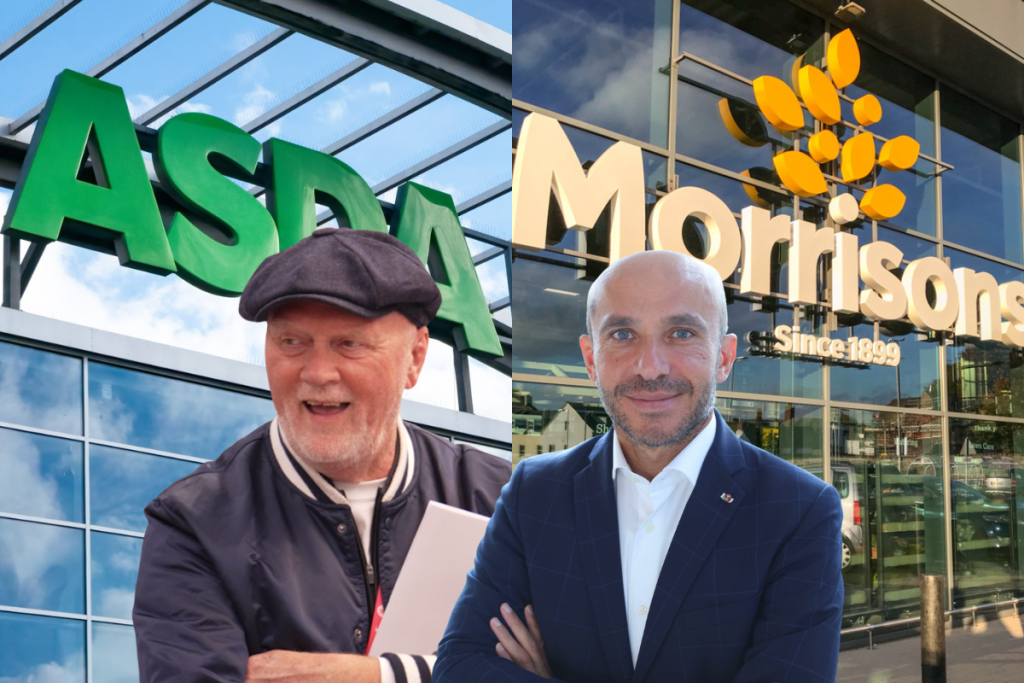
Asda owner posts near £600m loss as sales slip and costs rise

Asda
GroceryNews

Asda’s parent company slumped to a near £600m pre-tax loss last year as the supermarket group faced falling sales, heavy debt servicing costs and ongoing challenges migrating IT systems from former owner Walmart.

Bellis Finco, the retailer’s holding company,  reported a £599m loss for the year to 31 December 2024, down sharply from a £180m profit in 2023, the Guardian reported.

Like-for-like sales at established stores fell by 3.4%, though total sales increased to £26.8bn from £25.6bn, boosted by new store openings including former Co-op locations and EG petrol forecourts.

The supermarket’s £378m writedown on store values also weighed heavily on profits. Asda operates over 580 supermarkets, nearly 500 convenience stores, and 769 petrol forecourts across the UK.


Leeds-based Asda was acquired in 2020 by billionaire brothers Mohsin and Zuber Issa alongside private equity firm TDR Capital for £6.8bn.

Last year, Mohsin Issa stepped back from day-to-day management amid family tensions but retains a minority stake, while Zuber Issa sold his share to TDR.

Executive chair Allan Leighton, who previously helped turn the retailer around more than two decades ago, returned last year to lead Asda’s revival efforts but warned that recovery could take three to five years.

The company’s finance costs rose 38% to £611m due to higher interest rates, with external debts of £4.9bn and additional liabilities including £3.8bn in leases and a £500m shareholder loan. A major debt repayment of £300m is due in February 2026.

Asda also spent £310m on its “project future” IT system migration from Walmart platforms in 2024, bringing total project costs to £889m — £89m above earlier estimates. The migration is expected to finish later this year.

Asda is contractually obliged to pay Walmart £900m to buy out its remaining 10% stake by February 2028, with £12.5m already paid last year.

Back in March, Asda launched plans to invest heavily in price cuts and increased shop floor staff to combat declining sales and market share.

Underlying profits before debt and writedowns rose to £1.1bn in 2024 from £1bn the previous year, but the company anticipates taking on more debt to fund its price investment strategy.

An Asda spokesperson told Retail Gazette: “Asda’s core business remains strong and profitable, delivering a pre-tax profit of £115m before exceptional items.
“The reported overall loss is the result of two significant one-off costs: a £378m non-cash impairment charge, which reflects updated asset valuations, and £310m in one-time costs related to ‘Project Future’—our strategic programme to separate Asda’s IT systems from our former owner, Walmart.
“These are not recurring costs and do not reflect the underlying performance of the business. A more accurate indicator of our ongoing strength is our adjusted EBITDA after rent, which increased to £1.14bn from £1.078bn the previous year.”

Click here to sign up to Retail Gazette‘s free daily email newsletter

GroceryNews
GroceryNews

Share:

Asda owner posts near £600m loss as sales slip and costs rise

Asda

Social


SUBSCRIBE TO OUR DAILY NEWSLETTER

  • This field is for validation purposes and should be left unchanged.

Most Read

Asda’s parent company slumped to a near £600m pre-tax loss last year as the supermarket group faced falling sales, heavy debt servicing costs and ongoing challenges migrating IT systems from former owner Walmart.

Bellis Finco, the retailer’s holding company,  reported a £599m loss for the year to 31 December 2024, down sharply from a £180m profit in 2023, the Guardian reported.

Like-for-like sales at established stores fell by 3.4%, though total sales increased to £26.8bn from £25.6bn, boosted by new store openings including former Co-op locations and EG petrol forecourts.

The supermarket’s £378m writedown on store values also weighed heavily on profits. Asda operates over 580 supermarkets, nearly 500 convenience stores, and 769 petrol forecourts across the UK.


Leeds-based Asda was acquired in 2020 by billionaire brothers Mohsin and Zuber Issa alongside private equity firm TDR Capital for £6.8bn.

Last year, Mohsin Issa stepped back from day-to-day management amid family tensions but retains a minority stake, while Zuber Issa sold his share to TDR.

Executive chair Allan Leighton, who previously helped turn the retailer around more than two decades ago, returned last year to lead Asda’s revival efforts but warned that recovery could take three to five years.

The company’s finance costs rose 38% to £611m due to higher interest rates, with external debts of £4.9bn and additional liabilities including £3.8bn in leases and a £500m shareholder loan. A major debt repayment of £300m is due in February 2026.

Asda also spent £310m on its “project future” IT system migration from Walmart platforms in 2024, bringing total project costs to £889m — £89m above earlier estimates. The migration is expected to finish later this year.

Asda is contractually obliged to pay Walmart £900m to buy out its remaining 10% stake by February 2028, with £12.5m already paid last year.

Back in March, Asda launched plans to invest heavily in price cuts and increased shop floor staff to combat declining sales and market share.

Underlying profits before debt and writedowns rose to £1.1bn in 2024 from £1bn the previous year, but the company anticipates taking on more debt to fund its price investment strategy.

An Asda spokesperson told Retail Gazette: “Asda’s core business remains strong and profitable, delivering a pre-tax profit of £115m before exceptional items.
“The reported overall loss is the result of two significant one-off costs: a £378m non-cash impairment charge, which reflects updated asset valuations, and £310m in one-time costs related to ‘Project Future’—our strategic programme to separate Asda’s IT systems from our former owner, Walmart.
“These are not recurring costs and do not reflect the underlying performance of the business. A more accurate indicator of our ongoing strength is our adjusted EBITDA after rent, which increased to £1.14bn from £1.078bn the previous year.”

Click here to sign up to Retail Gazette‘s free daily email newsletter

GroceryNews

RELATED STORIES

Most Read

Latest Feature


Menu


Close popup