Spending power drops for 40% of UK households as inflation soars

Spending power
GroceryNews

Two in five UK households (40%) saw their spending power growth drop in June, as inflation rose to 3.6%, marking its highest rate since January 2024.

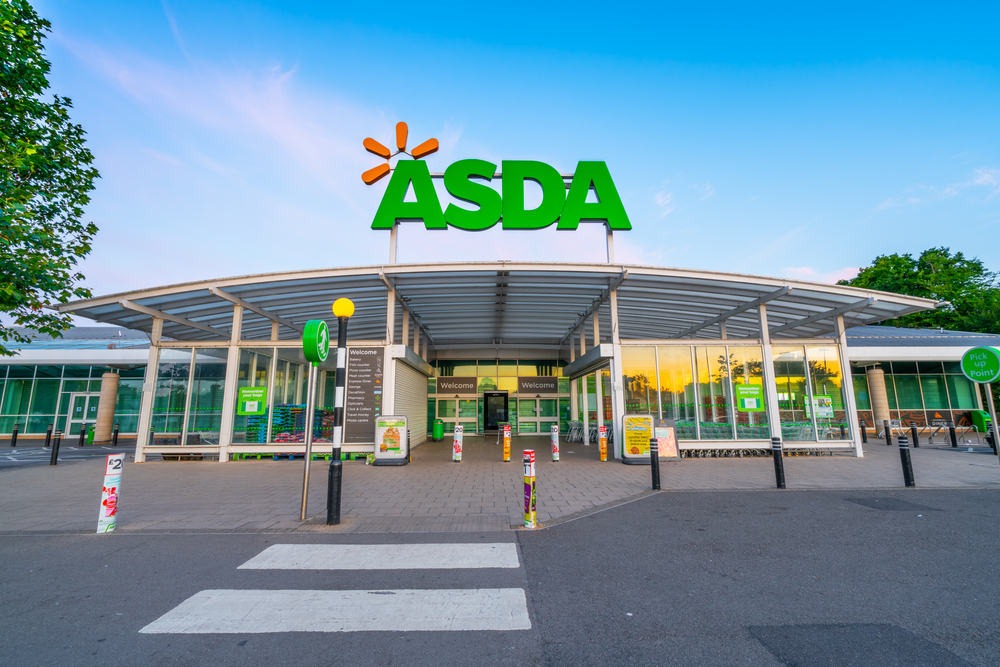
The figures, which were reported by the latest Asda income tracker, showed that the impact continued to be felt most by the UK’s lowest earning households, with their spending power growth falling 8.1% year on year.

This left them with a £74 weekly shortfall between what they earned and what they needed to cover essential bills and everyday costs, according to the supermarket.

The effects were also experienced unevenly across the UK, with families in regions such as the West Midlands seeing their spending power growth dip 0.6%, compared to 12% growth the same time last year.

This left households in the region with an average disposable income of £191 per week, compared to the UK average of £250 a week.

The grocery giant reported that Northern Ireland continued to record the lowest disposable income figure, at £129 per week.


In comparison, spending power in London (£326), Scotland (£261) and the East of England (£267) remained above the UK average, as higher post-tax income and stronger job markets helped to protect families in these regions from increasing prices. 

Cebr head of forecasting and thought leadership Sam Miley said: “Inflation surprised to the upside in June, putting further downward pressure on the rate of growth in the income tracker.

“The concentration of inflation in essential categories, including food, transport, and utilities, is placing households under particular strain.”

He continued: “Nevertheless, earnings growth remains robust and is offsetting price pressures for now.” 

In April, Asda’s income tracker found that UK households had £25 more to spend per week compared to the same period last year, as disposable income averaged £257 per week after bills and essentials in Q1 2025.

The improvement followed a drop in inflation, which fell to 2.6% in March, largely due to declining fuel prices.

Click here to sign up to Retail Gazette‘s free daily email newsletter

GroceryNews

Leave a Reply

Your email address will not be published. Required fields are marked *

Fill out this field
Fill out this field
Please enter a valid email address.

GroceryNews

Share:

Spending power drops for 40% of UK households as inflation soars

Spending power

Social


SUBSCRIBE TO OUR DAILY NEWSLETTER

  • This field is for validation purposes and should be left unchanged.

Most Read

Two in five UK households (40%) saw their spending power growth drop in June, as inflation rose to 3.6%, marking its highest rate since January 2024.

The figures, which were reported by the latest Asda income tracker, showed that the impact continued to be felt most by the UK’s lowest earning households, with their spending power growth falling 8.1% year on year.

This left them with a £74 weekly shortfall between what they earned and what they needed to cover essential bills and everyday costs, according to the supermarket.

The effects were also experienced unevenly across the UK, with families in regions such as the West Midlands seeing their spending power growth dip 0.6%, compared to 12% growth the same time last year.

This left households in the region with an average disposable income of £191 per week, compared to the UK average of £250 a week.

The grocery giant reported that Northern Ireland continued to record the lowest disposable income figure, at £129 per week.


In comparison, spending power in London (£326), Scotland (£261) and the East of England (£267) remained above the UK average, as higher post-tax income and stronger job markets helped to protect families in these regions from increasing prices. 

Cebr head of forecasting and thought leadership Sam Miley said: “Inflation surprised to the upside in June, putting further downward pressure on the rate of growth in the income tracker.

“The concentration of inflation in essential categories, including food, transport, and utilities, is placing households under particular strain.”

He continued: “Nevertheless, earnings growth remains robust and is offsetting price pressures for now.” 

In April, Asda’s income tracker found that UK households had £25 more to spend per week compared to the same period last year, as disposable income averaged £257 per week after bills and essentials in Q1 2025.

The improvement followed a drop in inflation, which fell to 2.6% in March, largely due to declining fuel prices.

Click here to sign up to Retail Gazette‘s free daily email newsletter

GroceryNews

Leave a Reply

Your email address will not be published. Required fields are marked *

Fill out this field
Fill out this field
Please enter a valid email address.

RELATED STORIES

Most Read

Latest Feature


Menu


Close popup

Please enter the verification code sent to your email: