Concerns over the cost of living are mounting according to new data from the British Retail Consortium (BRC).
A survey of 2,000 people, conducted by Opinium for the BRC, found the biggest worry for the year ahead was “prices rising faster than wages”, cited by 57% of respondents. This rose to 61% among those in work.
By comparison, 49% highlighted tax rises as a concern, while 26% pointed to unemployment.
The findings come as official data from the Office for National Statistics (ONS) shows headline inflation at 3.8%, nearly double the Bank of England’s 2% target. Food inflation is running even higher at 5.1%, the sharpest increase since the cost of living crisis in 2022/23.
-
Related Story
-

Retail price inflation has been climbing steadily over the past year, exacerbated by measures in the previous Budget which lifted employment costs and introduced a new packaging tax, said the BRC.
 It added, the Bank of England last week held back from cutting interest rates, citing concerns that rising food prices were feeding through into headline inflation.
The latest Monetary Policy Committee (MPC) minutes attributed these increases to “labour costs and costs associated with new packaging regulation” alongside higher commodity prices.
The BRC has warned that food inflation could remain above 5% well into 2026 if the Autumn Budget introduces further tax rises.
While the Government has pledged to reduce business rates for retail, hospitality and leisure, around 4,000 large shops could see bills increase if they are included in a new business rates surtax for properties with a rateable value above £500,000, said the retail lobby group.
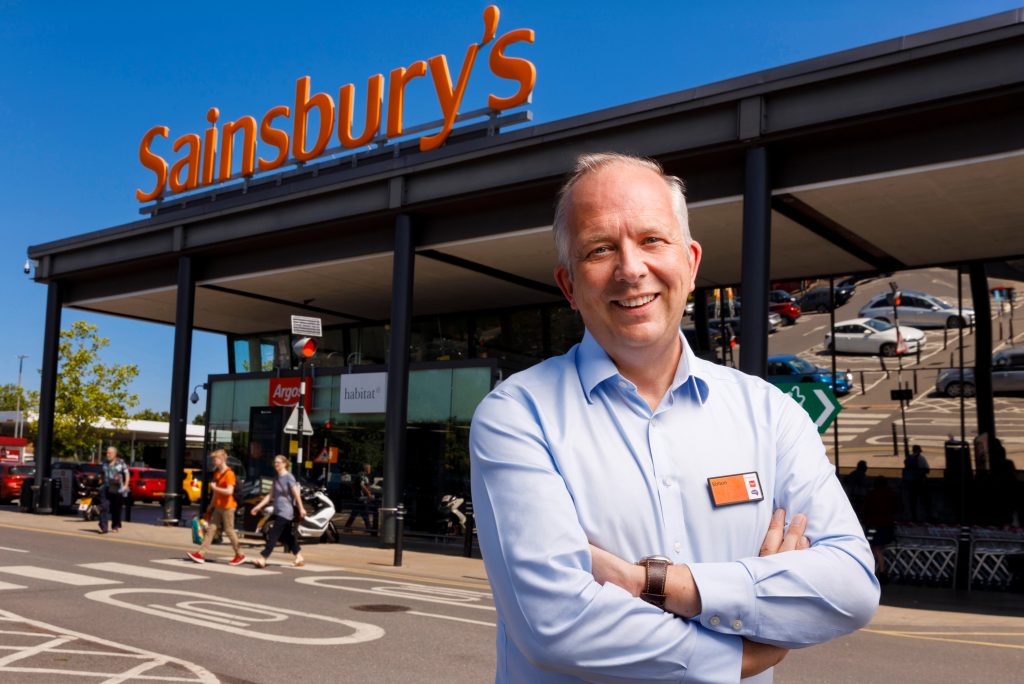
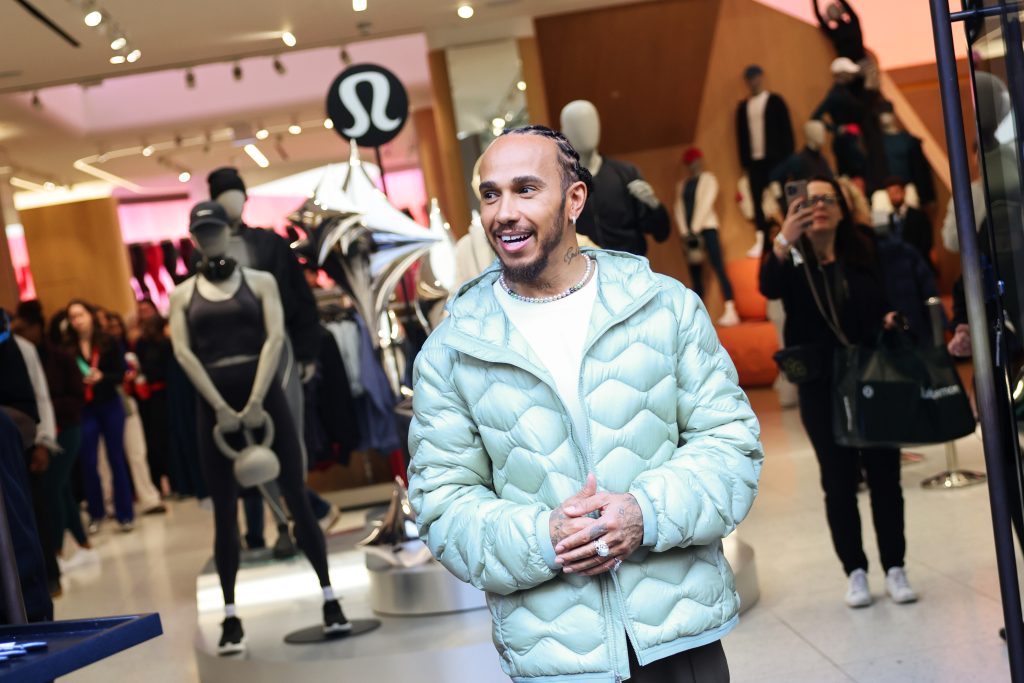
Helen Dickinson (above), chief executive at the BRC, said: the Government “risks losing the battle against inflation and working families are understandably worried”.
“With many people barely recovering from the last cost of living crisis, the Chancellor will want to protect households and enable retailers to continue doing everything they can to hold back prices.”
Dickinson said including supermarkets and other large stores in the surtax would “effectively be robbing Peter to pay Paul,” raising costs for businesses and forcing up prices for customers.
Excluding shops from the surtax, she said, would support both households and the Government’s inflation target “without any cost to the taxpayer.”
Click here to sign up to Retail Gazette‘s free daily email newsletter