


The warehousing industry is evolving faster than ever. Rising customer expectations, growing SKU complexity, and global supply chain pressures demand faster fulfilment, better use of space, and uncompromising safety.
Yet for many warehouses, inefficiency persists. Lost pallets, underused aisles, and inconsistent data updates. The question is no longer if automation drives ROI, but how fast you can capture it. That’s where optimisation comes in.
Why inventory integrity is just the beginning
High levels of stock integrity mean warehouses can operate with faster, more reliable workflows and optimal use of resources. But once inventory health and visibility are firmly in place, the next step is to unlock the full potential of your operations through targeted, AI-driven optimisation strategies.
By enhancing the flow of goods, maximising space utilisation, and refining processes, your operations can keep pace with rising demand with precision and speed.
In this article, Dexory outlines eight areas for warehouse optimisation, from real-time visibility and block stack digitisation to AI-powered consolidation planning and weight restriction monitoring.

1. Inventory integrity as the cornerstone of efficient operations
Manual inventory is a very lengthy process, wall-to-wall counts can take many weeks or months to complete, and they are prone to human error. Companies have reported $693,000 (£502,584) of fines can be saved by automating their cycle counting.
2. Real-time visibility that turns blind spots into insights
Only 6 per cent of logistics companies report full visibility over their operations according to an article on . This gap can mean missed opportunities, safety risks, and slower fulfilment. It has been reported that a single error takes an average of 30 minutes to trigger an investigation, costing $1,000 (£725) per incident – factoring in management oversight, system updates, and lost productivity.
3. Block stack storage visibility without disruption
What if you could eliminate the blind spots in deep storage areas? No more guessing, lifting, or forklift repositioning. Just evaluating discrepancies in real time, such as missing, miscounted, or incorrectly placed items.
4. Pick face optimisation for smarter cycle counts
Every day, your WMS generates a cycle count list. You know most of it is wasted effort, but you still have to check every single location. Instead, how about shrinking the cycle, freeing up resources, and finally getting control of your pick face locations with maximum efficiency?
5. Maximising storage utilisation
AI-powered consolidation planning can identify opportunities to group compatible items together while avoiding conflicts like mismatched batch codes or incompatible products. This reduces wasted space and unproductive travel time between storage locations. Optimal space utilisation and efficient stock handling bolster long-term reputational gains by showcasing operational excellence and dependability.
6. Improved compliance and safety with advanced slotting verification
Every warehouse faces risks from incorrect slotting. By aligning slotting with both safety and efficiency, warehouses ensure that they remain audit-ready, compliant, and secure.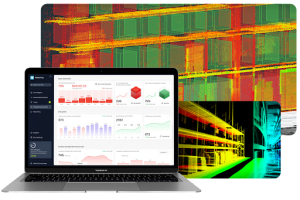
7. Faster fulfilment, no picking delays
Poor replenishment leads to picker delays, slow order fulfilment and reduction in storage efficiency. But with advanced robotics and automation systems, warehouses can achieve faster fulfilment and throughput without extra headcount.
8. Weight restriction monitoring for safer, risk-free warehouses
Overloaded bays and racks put staff and infrastructure at risk. Manual checks are slow, error-prone, and often inconsistent. At the same time, WMS rules are static, they don’t prevent live overloads. With the right use of automation, warehouses can ensure risk-free operations where safety is never compromised.
Download Dexory’s latest paper to find real-world results and insights from leading logistics operators like GXO, Maersk, and Iron Mountain.
Click here to sign up to Retail Gazette‘s free daily email newsletter