

European retailers are heading into a fresh period of energy market turmoil and geopolitical uncertainty from an already weakened position, with new data showing corporate distress across the sector remains higher than it was before the 2022 Ukraine war energy crisis.
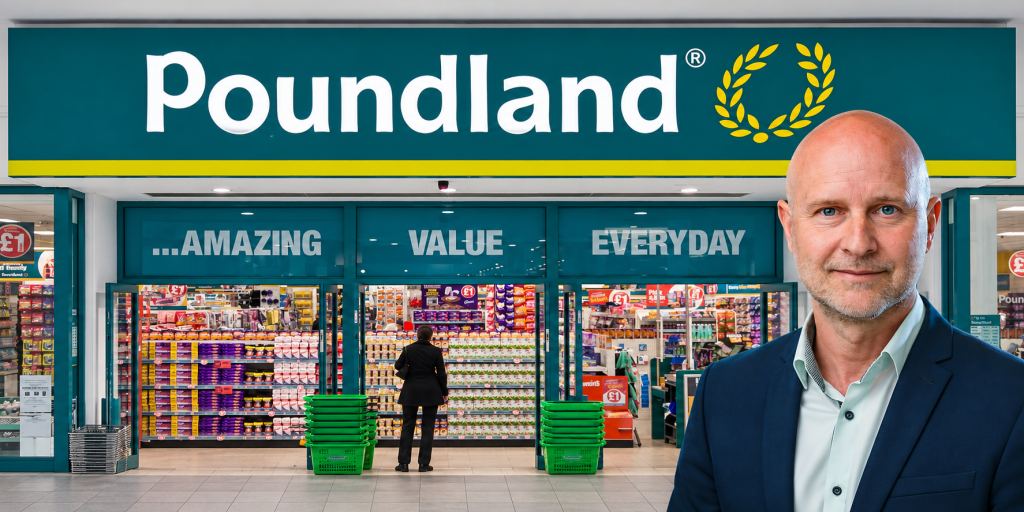
According to the latest Weil European Distress Index (WEDI), retail and consumer goods continues to rank as the most distressed sector in Europe, despite a modest quarter-on-quarter easing.
The data suggests the sector remains under significant strain, with distress markedly higher than a year ago and, on a six-month rolling basis, now at its highest level since the global financial crisis.
Weil said profitability remains the central pressure point for retailers and consumer businesses, as rising operating costs, particularly wages, continue to collide with softer consumer demand and more cautious household spending.
That combination is leaving businesses especially vulnerable to any renewed squeeze on costs or further weakening in demand.
The wider picture across Europe also points to a fragile corporate backdrop. Overall distress remained above the long-run average in the first quarter of 2026, with businesses entering the latest bout of volatility from a weaker starting point than during the last major energy shock.
Andrew Wilkinson, partner and co-head of Weil’s London restructuring practice, said: “What’s striking here is not just that distress remains elevated, but where we are in the cycle. Businesses are entering a period of renewed volatility already under pressure, which leaves far less room to absorb further shocks.
“The key risk is pace. If energy prices remain elevated and confidence continues to weaken, we could see stress build more quickly than in previous cycles – particularly for companies that have already delayed investment or are operating with tighter margins.”
Retail’s position at the top of the distress rankings comes as a broader mix of sectors also show signs of strain. Industrials ranked as the second-most distressed sector in Europe, while infrastructure, utilities and power moved into third place, reaching their highest level of distress since the pandemic.
Neil Devaney, partner and co-head of Weil’s London restructuring practice, said the pattern suggests stress is spreading more broadly through the economy.
“The more important story isn’t at the very top of the rankings – it’s how distress is starting to evolve beneath the surface,” he said.
“We are seeing continued pressure in industrials, alongside early signs of stress emerging in infrastructure, utilities and power. This matters because these are capital-intensive, system-critical sectors. If pressure continues to build here, it points to a broader and more entrenched cycle of distress, rather than one confined to consumer-facing industries.”
At a country level, Germany remained the most distressed market in Europe, followed by France and the UK.
While the UK has improved compared with a year earlier, Weil said businesses are still grappling with soft growth, rising unemployment and continued margin pressure. It added that any delay to rate cuts, amid energy-driven inflation risks, could further weigh on companies with limited pricing power and greater exposure to consumer demand.
Spain and Italy were the least distressed markets in the index, though Weil warned both remain vulnerable to any prolonged deterioration in energy prices, trade conditions and business confidence.
Click here to sign up to Retail Gazette‘s free daily email newsletter