


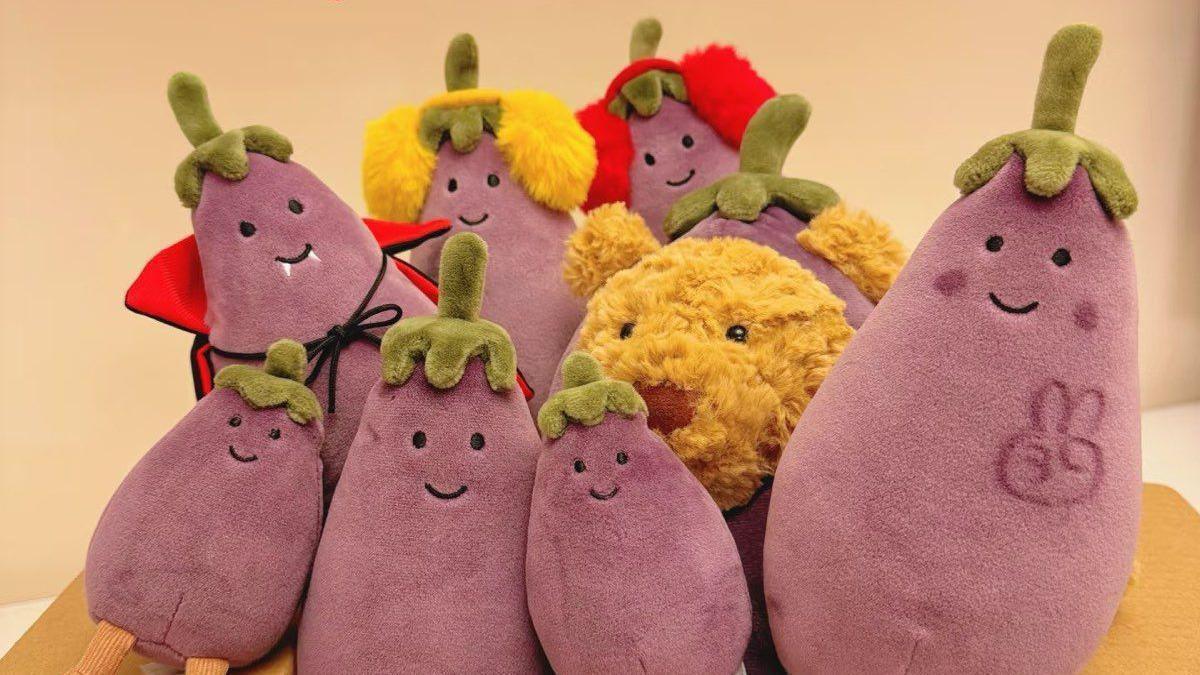
Jellycat has launched legal action against Next and Hamleys as the fast-growing soft toy brand seeks to protect its designs amid a surge in popularity.
The British toy company has filed three separate lawsuits in the London High Court over trademark and passing off allegations.
The claims, filed by law firm Stephenson Harwood last week, name Next Retail, Hamleys of London and online store Bessie London as defendants.
Jellycat, which was founded by Thomas Gatacre in 1999, owns trademarks in the UK and EU covering plush toys, games, dolls, playthings and clothing. It also has protection in the US for plush toys, dolls, puppets and stuffed toy animals.
The brand has become a major hit with Gen Z shoppers in recent years, fuelled by social media and demand for its character-led soft toys.
Its parent company Jelly Holdings reported revenue of £333m for the year to 31 December 2024, up 66 per cent from £200m the previous year.
Pre-tax profit more than doubled to £139m, compared with £67m in 2023, while the business paid out £110m in dividends to its owners.
A Jellycat spokesperson said: “We put skill and love into creating every Jellycat character, so we’re obviously very protective of our designs and our fans. We are not commenting further at this time.”
It is not the first intellectual property dispute involving Jellycat.
The toy maker previously sued Aldi in 2024 after accusing the supermarket of infringing its registered design rights.
Jellycat alleged that Aldi had copied its popular Dexter Dragon soft toy, which retails for around £27, with a comparable dragon toy priced at £4.
Aldi denied liability and argued in its High Court defence that its toy had different proportions, colour scheme and texture.
However, the discounter agreed to stop selling the stuffed dragon after being contacted by Jellycat, bringing the case to a close.
Click here to sign up to Retail Gazette‘s free daily email newsletter