
Mars invests £161m in pet food supply chain as it modernises UK manufacturing

Mars
Feature ArticlesSupply Chain

FMCG giant Mars is investing in its Melton Mowbray pet food factory as it looks to improve manufacturing efficiency, reduce production waste and strengthen the UK’s role in its wider European supply network.

Mars is focusing on its UK pet care supply chain with a £161m programme to modernise its historic manufacturing facility in Melton Mowbray, Leicestershire.

The investment will see the family-owned manufacturer introduce advanced manufacturing technology, new high-speed production lines and infrastructure improvements at the site, which has been producing pet food for 75 years.

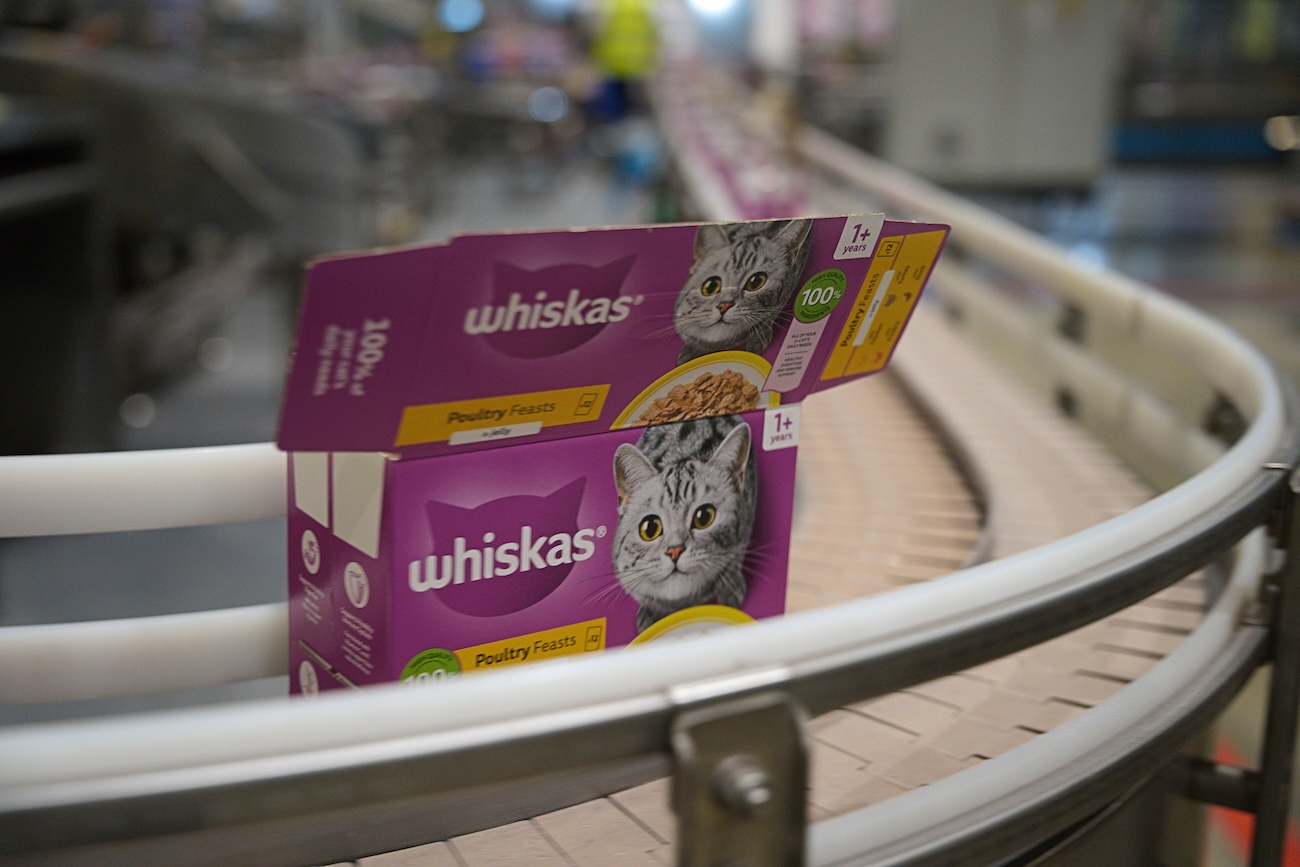
The factory is home to some of Mars’ best-known pet food brands, including Whiskas, and plays an important role in supplying the UK market. Around 95 per cent of its production goes to UK households, with the remaining 5 per cent exported to European markets.

The modernisation programme, which will run through to 2031, is designed to establish Melton Mowbray as Mars’ primary UK facility for pouched pet food production.

Smart, and sustainable solutions

A key part of the investment will be the installation of new high-speed pouch production lines, supporting a transition to fully recyclable mono-polypropylene (mono-PP) packaging.

Mars will also introduce smart optical sorting technology and AI-powered cameras to identify quality defects earlier in the manufacturing process. The technology is expected to reduce production waste by more than 50 per cent, helping the business improve resource efficiency while maintaining product quality.

These upgrades reflect the growing importance of manufacturing technology in improving supply chain performance, with food producers under increasing pressure to balance production costs, operational efficiency and environmental commitments.

The investment also forms part of Mars’ wider ambition to halve greenhouse gas emissions by 2030 and achieve net zero across its value chain by 2050.

Improving manufacturing efficiency and packaging recyclability will be important components of that strategy, alongside wider efforts to reduce emissions across ingredient sourcing, logistics and distribution.

The Melton Mowbray investment follows a series of commitments to the company’s UK manufacturing footprint. It takes Mars’ total capital investment in its UK manufacturing and operational network to £661m since 2021.

UK cornerstone

Earlier this year, the business announced a £190m investment in its chocolate manufacturing facility in Slough, while a further £1.2m has been committed to upgrading its pet nutrition research and development hub in Birstall, Leicestershire.

The latest announcement also reinforces the importance of the UK to Mars’ wider international operations. Britain is its second-largest market globally, with the company employing more than 10,000 people across the country.

Nick Foster, general manager for Mars Pet Nutrition Northern Europe, says: “The UK is a cornerstone of our global pet care business at Mars, and this investment is a direct statement of our confidence in the UK market and the vital role our British factories play within our wider European network.

“Melton Mowbray has been feeding the nation’s pets for 75 years. By equipping our teams with world-class technology and sustainable manufacturing capabilities, we are strengthening the site’s role within our regional supply network and ensuring we can continue to meet the needs of British pet owners for years to come.”


Alongside the technology investment, Mars is looking to strengthen the technical skills needed to operate increasingly automated manufacturing environments.

The programme will create more than 30 skilled technical and engineering roles during its first year, while the site’s permanent apprenticeship cohort will expand from 26 to 33 positions by 2027.

The apprenticeships will support training in areas including mechanical and electrical engineering, helping develop the expertise required to maintain and operate more sophisticated production equipment.

This is part of a broader workforce development strategy. Mars currently employs more than 140 apprentices across its UK business, with training also covering artificial intelligence, digital systems and data analytics. The company reports a 97 per cent permanent placement offer rate for apprentices completing their programmes.

Sharon Ross, plant manager at Mars Melton Mowbray, said the investment would build on the site’s manufacturing heritage while preparing its workforce for the future.

She adds: “Having celebrated 75 years of manufacturing this year, this £161 million investment is a profound vote of confidence in our site, our Associates, and the wider community.

“By integrating cutting-edge technology and expanding our apprenticeship programme, we are building on our proud heritage, equipping the next generation with future-ready engineering skills, and writing an exciting new chapter for the iconic brands like Whiskas made right here.”

A resilient supply chain

The investment also comes as manufacturers face the challenge of adapting established production facilities to changing consumer demand, packaging requirements and environmental expectations.

The shift towards recyclable packaging and more efficient production processes will require Mars to change not only to factory infrastructure but also to the wider systems supporting its products from manufacturing to retail.

The company operates eight manufacturing facilities across the UK, alongside its Waltham Petcare Science Institute in Leicestershire, which specialises in animal health and nutrition research.

The scale of its UK operations makes investment in domestic production capacity an important part of maintaining supply chain resilience and meeting demand across its pet care portfolio.

With the Melton Mowbray programme extending to 2031, Mars is making a long-term commitment to the site, combining production upgrades with investment in people and technology.

The challenge now will be translating that capital investment into measurable improvements in manufacturing productivity, waste reduction and environmental performance, while ensuring the factory continues to support the supply of some of the UK’s most recognised pet food brands.

Click here to sign up to Retail Gazette‘s free daily email newsletter

Feature ArticlesSupply Chain

Leave a Reply

Your email address will not be published. Required fields are marked *

Fill out this field
Fill out this field
Please enter a valid email address.

Feature ArticlesSupply Chain

Share:

Mars invests £161m in pet food supply chain as it modernises UK manufacturing

Mars

FMCG giant Mars is investing in its Melton Mowbray pet food factory as it looks to improve manufacturing efficiency, reduce production waste and strengthen the UK’s role in its wider European supply network.

Mars is focusing on its UK pet care supply chain with a £161m programme to modernise its historic manufacturing facility in Melton Mowbray, Leicestershire.

The investment will see the family-owned manufacturer introduce advanced manufacturing technology, new high-speed production lines and infrastructure improvements at the site, which has been producing pet food for 75 years.

The factory is home to some of Mars’ best-known pet food brands, including Whiskas, and plays an important role in supplying the UK market. Around 95 per cent of its production goes to UK households, with the remaining 5 per cent exported to European markets.

The modernisation programme, which will run through to 2031, is designed to establish Melton Mowbray as Mars’ primary UK facility for pouched pet food production.

Smart, and sustainable solutions

A key part of the investment will be the installation of new high-speed pouch production lines, supporting a transition to fully recyclable mono-polypropylene (mono-PP) packaging.

Mars will also introduce smart optical sorting technology and AI-powered cameras to identify quality defects earlier in the manufacturing process. The technology is expected to reduce production waste by more than 50 per cent, helping the business improve resource efficiency while maintaining product quality.

These upgrades reflect the growing importance of manufacturing technology in improving supply chain performance, with food producers under increasing pressure to balance production costs, operational efficiency and environmental commitments.

The investment also forms part of Mars’ wider ambition to halve greenhouse gas emissions by 2030 and achieve net zero across its value chain by 2050.

Improving manufacturing efficiency and packaging recyclability will be important components of that strategy, alongside wider efforts to reduce emissions across ingredient sourcing, logistics and distribution.

The Melton Mowbray investment follows a series of commitments to the company’s UK manufacturing footprint. It takes Mars’ total capital investment in its UK manufacturing and operational network to £661m since 2021.

UK cornerstone

Earlier this year, the business announced a £190m investment in its chocolate manufacturing facility in Slough, while a further £1.2m has been committed to upgrading its pet nutrition research and development hub in Birstall, Leicestershire.

The latest announcement also reinforces the importance of the UK to Mars’ wider international operations. Britain is its second-largest market globally, with the company employing more than 10,000 people across the country.

Nick Foster, general manager for Mars Pet Nutrition Northern Europe, says: “The UK is a cornerstone of our global pet care business at Mars, and this investment is a direct statement of our confidence in the UK market and the vital role our British factories play within our wider European network.

“Melton Mowbray has been feeding the nation’s pets for 75 years. By equipping our teams with world-class technology and sustainable manufacturing capabilities, we are strengthening the site’s role within our regional supply network and ensuring we can continue to meet the needs of British pet owners for years to come.”


Alongside the technology investment, Mars is looking to strengthen the technical skills needed to operate increasingly automated manufacturing environments.

The programme will create more than 30 skilled technical and engineering roles during its first year, while the site’s permanent apprenticeship cohort will expand from 26 to 33 positions by 2027.

The apprenticeships will support training in areas including mechanical and electrical engineering, helping develop the expertise required to maintain and operate more sophisticated production equipment.

This is part of a broader workforce development strategy. Mars currently employs more than 140 apprentices across its UK business, with training also covering artificial intelligence, digital systems and data analytics. The company reports a 97 per cent permanent placement offer rate for apprentices completing their programmes.

Sharon Ross, plant manager at Mars Melton Mowbray, said the investment would build on the site’s manufacturing heritage while preparing its workforce for the future.

She adds: “Having celebrated 75 years of manufacturing this year, this £161 million investment is a profound vote of confidence in our site, our Associates, and the wider community.

“By integrating cutting-edge technology and expanding our apprenticeship programme, we are building on our proud heritage, equipping the next generation with future-ready engineering skills, and writing an exciting new chapter for the iconic brands like Whiskas made right here.”

A resilient supply chain

The investment also comes as manufacturers face the challenge of adapting established production facilities to changing consumer demand, packaging requirements and environmental expectations.

The shift towards recyclable packaging and more efficient production processes will require Mars to change not only to factory infrastructure but also to the wider systems supporting its products from manufacturing to retail.

The company operates eight manufacturing facilities across the UK, alongside its Waltham Petcare Science Institute in Leicestershire, which specialises in animal health and nutrition research.

The scale of its UK operations makes investment in domestic production capacity an important part of maintaining supply chain resilience and meeting demand across its pet care portfolio.

With the Melton Mowbray programme extending to 2031, Mars is making a long-term commitment to the site, combining production upgrades with investment in people and technology.

The challenge now will be translating that capital investment into measurable improvements in manufacturing productivity, waste reduction and environmental performance, while ensuring the factory continues to support the supply of some of the UK’s most recognised pet food brands.

Click here to sign up to Retail Gazette‘s free daily email newsletter

Social


SUBSCRIBE TO OUR DAILY NEWSLETTER

  • This field is for validation purposes and should be left unchanged.
Feature ArticlesSupply Chain

Leave a Reply

Your email address will not be published. Required fields are marked *

Fill out this field
Fill out this field
Please enter a valid email address.

RELATED STORIES

Latest Feature


Menu

Get Inside Matalan

A supply chain case study delivered to your inbox in three emails. The 3 elements Matalan changed to impact its bottom line..

Matalan Supply Chain Programme Form

  • This field is for validation purposes and should be left unchanged.


Please enter the verification code sent to your email: