Float or flog: What does future hold for ‘unloved’ Boots under new owners?

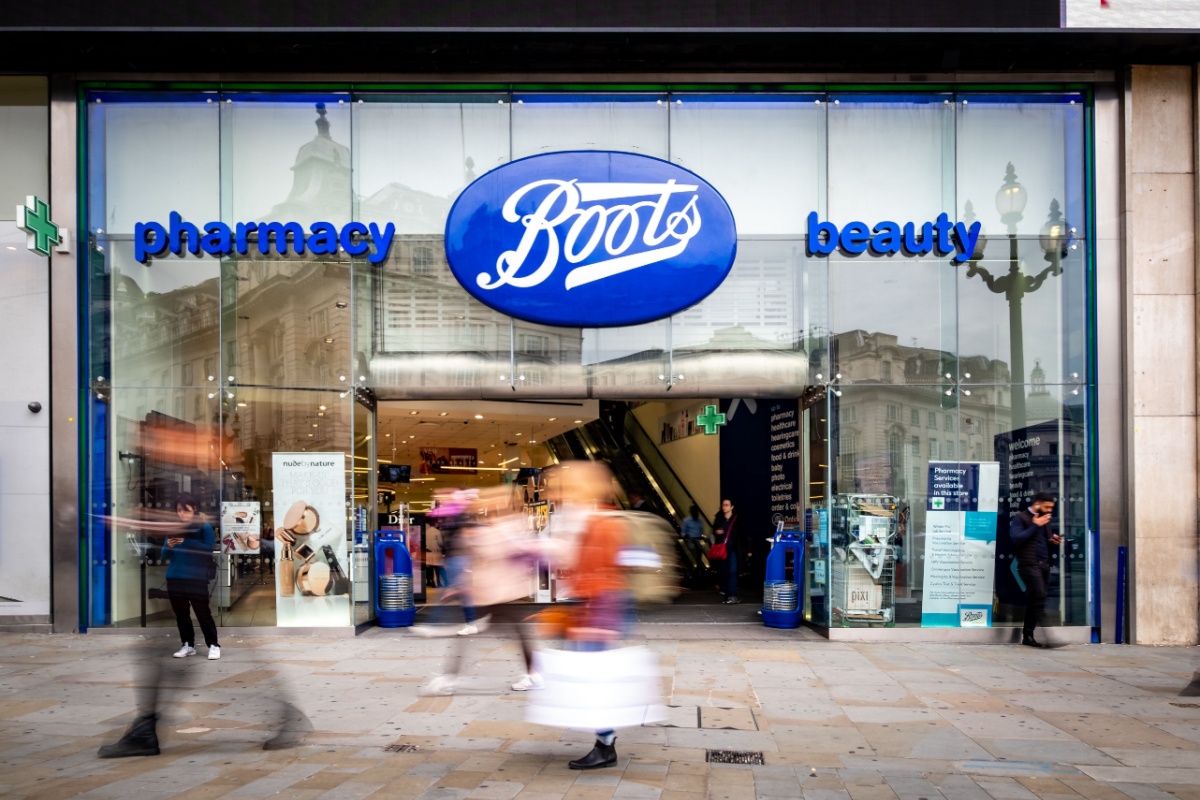
Boots
Feature ArticlesHealth & BeautyInsight

The future of Boots has been thrown into doubt as the retailer’s owner Walgreens has approved a $10bn takeover offer by private equity firm Sycamore Partners.

Around 96% of votes from shareholders were cast in favour to take Walgreens Boots Alliance (WBA) private, which is expected to complete in the third or fourth quarter of this calendar year following regulatory approval.

The $10bn price tag is a fraction of the $100bn valuation that WBA once held as the group has struggled in the years since amid rising competition from online retailers and lower drug reimbursement rates.

Despite being one the group’s strongest-performing assets, the takeover injects further uncertainty into Boots’ future.

Will the business continue to be used as a cash generator to prop up the ailing performance of the wider group, or will a long-speculated float for the UK chain finally set sail?

Retail Gazette takes a closer look at Boots’ new private equity owner and what the deal means for the future of the health and beauty chain.

Sycamore Partners: a closer look

Sycamore Partners describes itself as a “private equity firm specialising in retail and consumer investments”.

“Our strategy is to partner with management teams to improve the operating profitability and strategic value of their businesses,” it says on its website, adding that it provides “flexible capital structured for each investment to position companies to succeed”.

Boots
Boots was acquired by Walgreens in 2014

The North American-based private equity firm, which includes stationery retailer Staples in its portfolio, is headed up by Stefan Kaluzny, who has a well-documented track record of acquiring distressed companies, aggressively cutting costs, and selling off its assets to generate cash.

Sycamore was previously reported to have come close to acquiring Holland & Barrett in 2017, though the firm lost out to L1 Retail.

When the agreement between Walgreens and Sycamore was first announced in March, Kaluzny said his firm has a “deep respect” for WBA.

“For nearly 125 years, Walgreens, and for 175 years, Boots, along with their portfolio of trusted brands, have been integral to the lives of patients and customers…We are committed to stewarding the company’s iconic brands,” he added.

However, Richard Hyman, partner at Aria Intelligence Solutions, is sceptical of the new owner of one of Britain’s longest-standing high street chains. “The history with private equity and retail is quite discouraging,” he says.

“The worry is that Boots, for the nth time, will be owned by someone else whose business is likely to place rapid return of investment ahead of long-term strategic investment.”

‘Unloved’ by Walgreens

In the last couple of years, Walgreens explored the possibility of offloading Boots on numerous occasion, either via a private equity sale or flotation.

However, previous approaches from firms including Apollo and Reliance Industries were said to have ‘undervalued’ the business, and the retailer’s former managing director Seb James stepped down from the business last year after plans to explore a float were shelved for a second time.

Boots

The group took down the For Sale sign over Boots for the second time last June, stating that the retailer’s “growth, strategic strength and cashflow remain key contributors” for WBA.

“Boots is a business that has been much more the subject of disinvestment than investment and it’s been a bit unloved. It’s been loved for its cash generation but hasn’t really had a true retail strategy,” says Hyman.

Boots delivered £7.3bn in sales and a pre-tax profit of £269m in the year to 31 August 2024, more than triple the £60m the year before.

The high street retailer’s profits were boosted by the closure of 344 stores during the period, mostly consisting of leases expiring, as part of WBA’s ongoing plan to “consolidate” the business.

And while many of Boots’ 1,800 UK remaining stores are looking more than a little worse for wear, WBA has ploughed some investment in the high street retailer’s estate in recent years.

This year Boots has pledged to upgrade 100 of its stores, on top of the 520 locations already revamped over the past four years.

The retailer’s recent focus on bolstering its beauty offer with new beauty halls and category expansion coincided with the return of cult-favourite Sephora, which acquired FeelUnique and launched its first flagship in Westfield London in 2023.

GlobalData retail analyst Tash Van Boxel believes that the strategy has still paid off for the high street stalwart.

“Boots’ focus on refreshing its offer and use of initiatives to extend its market reach has resulted in a robust set of results,” she says. Total sales for the UK business was up 5% for the three months to the end of May, marking its 17th consecutive quarter of growth.

What’s next?

WBA and Sycamore have not provided a steer at what the future holds for Boots under its new owners. However, it is expected that Sycamore will split the group’s brands – US pharmacy retailer Walgreens, Boots and speciality pharmacy unit Shields Health Solutions – into at least three separate businesses.

The move raises questions over the future of the British retailer and whether Sycamore, which is thought to want to focus on the group’s US businesses, will seek to offload the health and beauty chain.

The retailer’s solid sales performance in recent years has proven the business is pretty much self-sufficient, which could make it an attractive cash generator which Sycamore may look to retain to boost its balance sheet.

But Hyman believes the retailer is crying out for more investment that goes beyond “tarting up the stores”. The analyst argues that Boots as a business is being “under-optimised”, partly referring to its Advantage Card loyalty scheme that has earnt itself the title as one of the most successful non-food loyalty schemes in the UK.

“As we all know, loyalty cards are much less about loyalty and much more about collecting data, which is fine if you have got the knowledge, the experience and the skill sets to really leverage that data – but I don’t think Boots has,” Hyman explains.

Boots

The massive amounts of data and customer insight Boots is sitting on will no doubt be an attractive asset to new owner Sycamore as it seeks to understand the retailer’s customer base and growth potential.

Although the firm will likely have a bigger battles and may wish to concentrate its efforts on the ailing Walgreens business, which, as a group, has racked up a net loss of £2.5bn ($3.3bn) in the first nine months of its current financial year.

Sycamore’s plans to break up the group and establish three separate companies leaves the door wide open for Boots to be sold or floated on the stock market.

“Boots is very floatable, having proved that the boom in the health and beauty market wasn’t just a post-lockdown one-off,” says independent UK retail analyst Nick Bubb.

The big question now is whether Sycamore will have the appetite to keep Boots in its arsenal and capitalise on the cash it generates, or will it want to shift focus to its US ambitions and look to offload the business.

Click here to sign up to Retail Gazette‘s free daily email newsletter

Feature ArticlesHealth & BeautyInsight

Leave a Reply

Your email address will not be published. Required fields are marked *

Fill out this field
Fill out this field
Please enter a valid email address.

Float or flog: What does future hold for ‘unloved’ Boots under new owners?

Boots

The future of Boots has been thrown into doubt as the retailer’s owner Walgreens has approved a $10bn takeover offer by private equity firm Sycamore Partners.

Around 96% of votes from shareholders were cast in favour to take Walgreens Boots Alliance (WBA) private, which is expected to complete in the third or fourth quarter of this calendar year following regulatory approval.

The $10bn price tag is a fraction of the $100bn valuation that WBA once held as the group has struggled in the years since amid rising competition from online retailers and lower drug reimbursement rates.

Despite being one the group’s strongest-performing assets, the takeover injects further uncertainty into Boots’ future.

Will the business continue to be used as a cash generator to prop up the ailing performance of the wider group, or will a long-speculated float for the UK chain finally set sail?

Retail Gazette takes a closer look at Boots’ new private equity owner and what the deal means for the future of the health and beauty chain.

Sycamore Partners: a closer look

Sycamore Partners describes itself as a “private equity firm specialising in retail and consumer investments”.

“Our strategy is to partner with management teams to improve the operating profitability and strategic value of their businesses,” it says on its website, adding that it provides “flexible capital structured for each investment to position companies to succeed”.

Boots
Boots was acquired by Walgreens in 2014

The North American-based private equity firm, which includes stationery retailer Staples in its portfolio, is headed up by Stefan Kaluzny, who has a well-documented track record of acquiring distressed companies, aggressively cutting costs, and selling off its assets to generate cash.

Sycamore was previously reported to have come close to acquiring Holland & Barrett in 2017, though the firm lost out to L1 Retail.

When the agreement between Walgreens and Sycamore was first announced in March, Kaluzny said his firm has a “deep respect” for WBA.

“For nearly 125 years, Walgreens, and for 175 years, Boots, along with their portfolio of trusted brands, have been integral to the lives of patients and customers…We are committed to stewarding the company’s iconic brands,” he added.

However, Richard Hyman, partner at Aria Intelligence Solutions, is sceptical of the new owner of one of Britain’s longest-standing high street chains. “The history with private equity and retail is quite discouraging,” he says.

“The worry is that Boots, for the nth time, will be owned by someone else whose business is likely to place rapid return of investment ahead of long-term strategic investment.”

‘Unloved’ by Walgreens

In the last couple of years, Walgreens explored the possibility of offloading Boots on numerous occasion, either via a private equity sale or flotation.

However, previous approaches from firms including Apollo and Reliance Industries were said to have ‘undervalued’ the business, and the retailer’s former managing director Seb James stepped down from the business last year after plans to explore a float were shelved for a second time.

Boots

The group took down the For Sale sign over Boots for the second time last June, stating that the retailer’s “growth, strategic strength and cashflow remain key contributors” for WBA.

“Boots is a business that has been much more the subject of disinvestment than investment and it’s been a bit unloved. It’s been loved for its cash generation but hasn’t really had a true retail strategy,” says Hyman.

Boots delivered £7.3bn in sales and a pre-tax profit of £269m in the year to 31 August 2024, more than triple the £60m the year before.

The high street retailer’s profits were boosted by the closure of 344 stores during the period, mostly consisting of leases expiring, as part of WBA’s ongoing plan to “consolidate” the business.

And while many of Boots’ 1,800 UK remaining stores are looking more than a little worse for wear, WBA has ploughed some investment in the high street retailer’s estate in recent years.

This year Boots has pledged to upgrade 100 of its stores, on top of the 520 locations already revamped over the past four years.

The retailer’s recent focus on bolstering its beauty offer with new beauty halls and category expansion coincided with the return of cult-favourite Sephora, which acquired FeelUnique and launched its first flagship in Westfield London in 2023.

GlobalData retail analyst Tash Van Boxel believes that the strategy has still paid off for the high street stalwart.

“Boots’ focus on refreshing its offer and use of initiatives to extend its market reach has resulted in a robust set of results,” she says. Total sales for the UK business was up 5% for the three months to the end of May, marking its 17th consecutive quarter of growth.

What’s next?

WBA and Sycamore have not provided a steer at what the future holds for Boots under its new owners. However, it is expected that Sycamore will split the group’s brands – US pharmacy retailer Walgreens, Boots and speciality pharmacy unit Shields Health Solutions – into at least three separate businesses.

The move raises questions over the future of the British retailer and whether Sycamore, which is thought to want to focus on the group’s US businesses, will seek to offload the health and beauty chain.

The retailer’s solid sales performance in recent years has proven the business is pretty much self-sufficient, which could make it an attractive cash generator which Sycamore may look to retain to boost its balance sheet.

But Hyman believes the retailer is crying out for more investment that goes beyond “tarting up the stores”. The analyst argues that Boots as a business is being “under-optimised”, partly referring to its Advantage Card loyalty scheme that has earnt itself the title as one of the most successful non-food loyalty schemes in the UK.

“As we all know, loyalty cards are much less about loyalty and much more about collecting data, which is fine if you have got the knowledge, the experience and the skill sets to really leverage that data – but I don’t think Boots has,” Hyman explains.

Boots

The massive amounts of data and customer insight Boots is sitting on will no doubt be an attractive asset to new owner Sycamore as it seeks to understand the retailer’s customer base and growth potential.

Although the firm will likely have a bigger battles and may wish to concentrate its efforts on the ailing Walgreens business, which, as a group, has racked up a net loss of £2.5bn ($3.3bn) in the first nine months of its current financial year.

Sycamore’s plans to break up the group and establish three separate companies leaves the door wide open for Boots to be sold or floated on the stock market.

“Boots is very floatable, having proved that the boom in the health and beauty market wasn’t just a post-lockdown one-off,” says independent UK retail analyst Nick Bubb.

The big question now is whether Sycamore will have the appetite to keep Boots in its arsenal and capitalise on the cash it generates, or will it want to shift focus to its US ambitions and look to offload the business.

Click here to sign up to Retail Gazette‘s free daily email newsletter

Social


SUBSCRIBE TO OUR DAILY NEWSLETTER

  • This field is for validation purposes and should be left unchanged.
Feature ArticlesHealth & BeautyInsight

Leave a Reply

Your email address will not be published. Required fields are marked *

Fill out this field
Fill out this field
Please enter a valid email address.

RELATED STORIES

Latest Feature


Menu


Close popup

Please enter the verification code sent to your email: