The scent of success? Why perfume is thriving while luxury slows

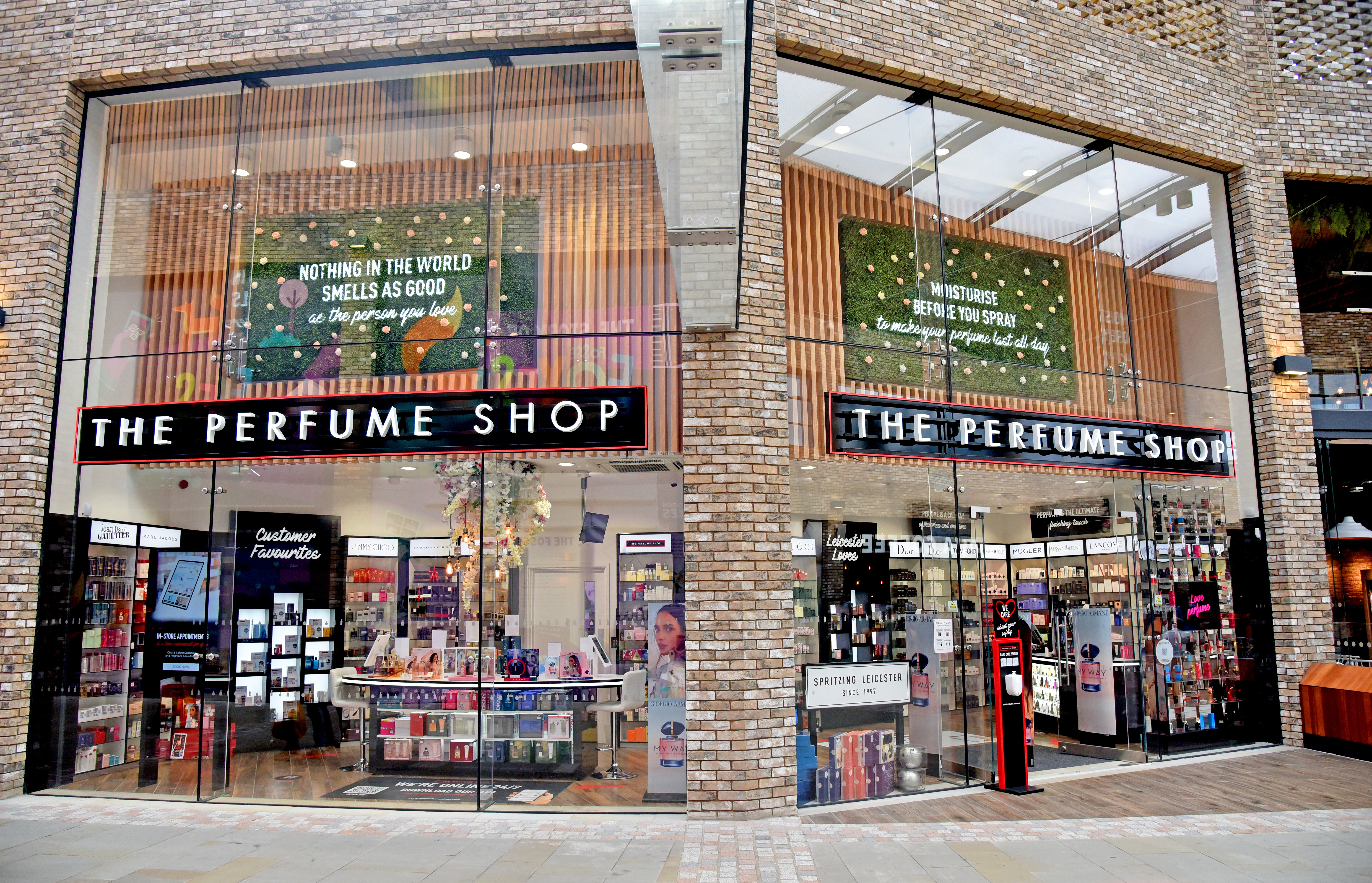
The Perfume Shop
Feature ArticlesLuxury goods

Luxury retail may be entering a period of recalibration, but one category continues to outperform expectations – fragrance.

According to 2026 McKinsey & Company data, the luxury sector is experiencing its steepest slowdown since 2008, with UK sales projected to fall by 1.5 per cent this year, and global growth expected to remain in the low single digits.

Economic headwinds, softer consumer confidence and a post-pandemic normalisation in spending are weighing heavy on high-ticket purchases across fashion and accessories.

Yet as consumers pull back from big luxury commitments, perfume is proving remarkably resilient, benefiting from a shift towards smaller, more personal indulgences that still deliver emotional value.

Recent Valentine’s Day trading provided a clear illustration. The Perfume Shop sold more than 238,000 bottles between 1 and 14 February, driven by demand for both new launches and personalised gifting.

The retailer also reported strong growth in personalisation services, underlining how shoppers are increasingly looking for gifts that feel meaningful rather than purely transactional.

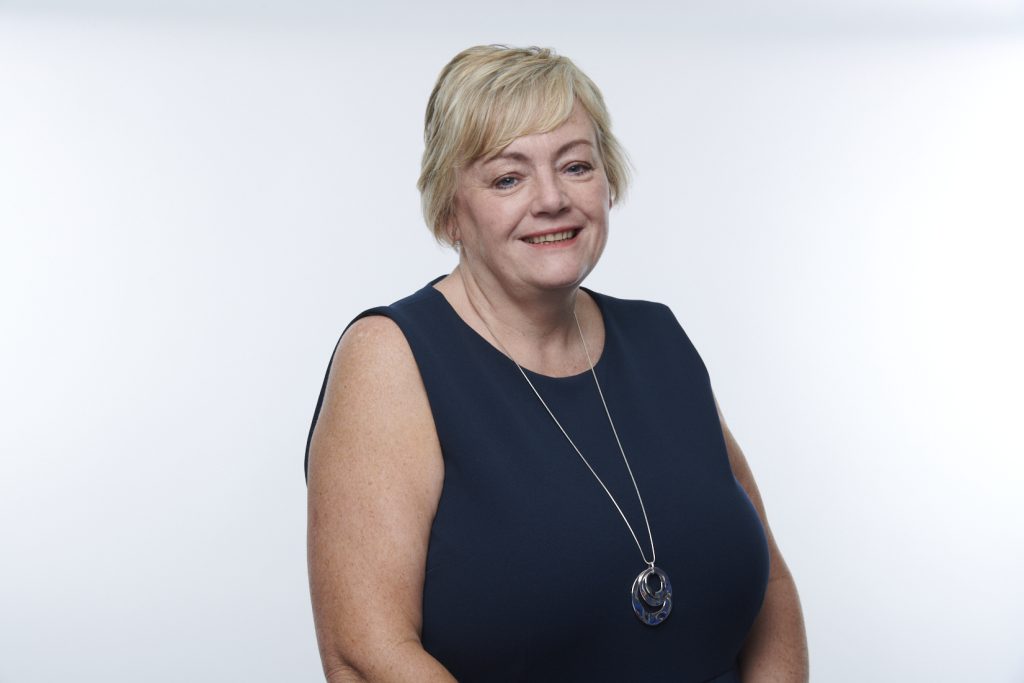
Andrea Rickard, trading director at The Perfume Shop, said the results reflected changing consumer expectations around gifting.
“Valentine’s Day continues to be one of our most important gifting moments of the year, and it was fantastic to see such strong demand across both classic and new perfumes. Customers were clearly looking to make their gifts feel extra special.”

The performance reflects a wider industry dynamic. While luxury fashion and accessories struggle to maintain momentum, fragrance has quietly become one of retail’s most dependable growth categories.

The new face of affordable indulgence

Perfume sits at the centre of what many retailers now describe as the modern ‘small luxury’.

Whilst budgets tighten and the cost-of-living continues to take a prime place in the news cycle, consumers are trading down in price but not in experience, seeking products that provide a sense of indulgence without the financial commitment of larger luxury purchases.

A designer fragrance allows shoppers to buy into premium brands at a more accessible price point, offering status, identity and escapism in a single purchase.

This trend has reinforced fragrance’s reputation as one of beauty’s most recession-resistant segments, echoing the long-observed ‘lipstick effect’, where consumers gravitate towards smaller treats during periods of economic uncertainty.

Rickard added that personalisation and in-store expertise continue to play a key role in conversion, particularly during peak gifting moments. “This Valentine’s really highlighted the value of personalisation and expert advice in helping turn a perfume into a truly meaningful gift.”

Identity, experience and emotional value

Fragrance is also benefiting from a cultural shift, particularly among younger consumers. For Gen Z shoppers, scent has become a key form of self-expression. That translates to a perception of perfumes as less an occasional luxury, and more an extension of personal identity.

Social platforms have accelerated discovery, while fragrance layering and scent wardrobes have turned perfume into a repeat purchase rather than a once-a-year indulgence.

Unlike many beauty categories, perfume also retains a strong link to physical retail.

The act of choosing a scent remains experiential, with customers seeking reassurance, testing and immediacy; advantages that become especially pronounced during key gifting occasions.

Ultimately, perfume’s strength lies in emotional economics. A scent offers longevity, memory and personal meaning, allowing consumers to justify the purchase even as confidence dips elsewhere.

As the wider luxury market adjusts to slower growth, fragrance highlights a broader shift taking place across retail. Perfume has become luxury’s most accessible expression.

Click here to sign up to Retail Gazette‘s free daily email newsletter

Feature ArticlesLuxury goods

Leave a Reply

Your email address will not be published. Required fields are marked *

Fill out this field
Fill out this field
Please enter a valid email address.

The scent of success? Why perfume is thriving while luxury slows

The Perfume Shop

Luxury retail may be entering a period of recalibration, but one category continues to outperform expectations – fragrance.

According to 2026 McKinsey & Company data, the luxury sector is experiencing its steepest slowdown since 2008, with UK sales projected to fall by 1.5 per cent this year, and global growth expected to remain in the low single digits.

Economic headwinds, softer consumer confidence and a post-pandemic normalisation in spending are weighing heavy on high-ticket purchases across fashion and accessories.

Yet as consumers pull back from big luxury commitments, perfume is proving remarkably resilient, benefiting from a shift towards smaller, more personal indulgences that still deliver emotional value.

Recent Valentine’s Day trading provided a clear illustration. The Perfume Shop sold more than 238,000 bottles between 1 and 14 February, driven by demand for both new launches and personalised gifting.

The retailer also reported strong growth in personalisation services, underlining how shoppers are increasingly looking for gifts that feel meaningful rather than purely transactional.

Andrea Rickard, trading director at The Perfume Shop, said the results reflected changing consumer expectations around gifting.

“Valentine’s Day continues to be one of our most important gifting moments of the year, and it was fantastic to see such strong demand across both classic and new perfumes. Customers were clearly looking to make their gifts feel extra special.”

The performance reflects a wider industry dynamic. While luxury fashion and accessories struggle to maintain momentum, fragrance has quietly become one of retail’s most dependable growth categories.

The new face of affordable indulgence

Perfume sits at the centre of what many retailers now describe as the modern ‘small luxury’.

Whilst budgets tighten and the cost-of-living continues to take a prime place in the news cycle, consumers are trading down in price but not in experience, seeking products that provide a sense of indulgence without the financial commitment of larger luxury purchases.

A designer fragrance allows shoppers to buy into premium brands at a more accessible price point, offering status, identity and escapism in a single purchase.

This trend has reinforced fragrance’s reputation as one of beauty’s most recession-resistant segments, echoing the long-observed ‘lipstick effect’, where consumers gravitate towards smaller treats during periods of economic uncertainty.

Rickard added that personalisation and in-store expertise continue to play a key role in conversion, particularly during peak gifting moments. “This Valentine’s really highlighted the value of personalisation and expert advice in helping turn a perfume into a truly meaningful gift.”

Identity, experience and emotional value

Fragrance is also benefiting from a cultural shift, particularly among younger consumers. For Gen Z shoppers, scent has become a key form of self-expression. That translates to a perception of perfumes as less an occasional luxury, and more an extension of personal identity.

Social platforms have accelerated discovery, while fragrance layering and scent wardrobes have turned perfume into a repeat purchase rather than a once-a-year indulgence.

Unlike many beauty categories, perfume also retains a strong link to physical retail.

The act of choosing a scent remains experiential, with customers seeking reassurance, testing and immediacy; advantages that become especially pronounced during key gifting occasions.

Ultimately, perfume’s strength lies in emotional economics. A scent offers longevity, memory and personal meaning, allowing consumers to justify the purchase even as confidence dips elsewhere.

As the wider luxury market adjusts to slower growth, fragrance highlights a broader shift taking place across retail. Perfume has become luxury’s most accessible expression.

Click here to sign up to Retail Gazette‘s free daily email newsletter

Social


SUBSCRIBE TO OUR DAILY NEWSLETTER

  • This field is for validation purposes and should be left unchanged.
Feature ArticlesLuxury goods

Leave a Reply

Your email address will not be published. Required fields are marked *

Fill out this field
Fill out this field
Please enter a valid email address.

RELATED STORIES

Latest Feature


Menu


Close popup

Please enter the verification code sent to your email: