


Vintage and second-hand clothing is certainly having a moment right now, with a wave of high street retailers launching pre-loved clothing elements to their offerings.
In February, fashion brand Zalando revealed it was expanding its pre-owned category to include children’s clothes. This meant that parents in 14 European markets could shop for “quality-checked, second-hand kids’ clothing,” and trade in outgrown items for Zalando credit.
In August, M&S also unveiled plans to open a second-hand clothing store on Ebay, as the company sought to find new homes for “old favourites”.
Additionally, in April professional services network KPMG UK reported that one in 10 UK consumers were now mainly buying non-grocery items via resale platforms.
It’s no surprise then that Oxfam opened its first-ever vintage shop in Manchester in March, as it sought to tap into growing demand for pre-loved fashion.
The new “Oxfam Vintage” concept launched in the city’s Northern Quarter on 27 March.
It offers shoppers a hand-picked edit of vintage clothing in a newly designed retail space centred on circularity, craftsmanship and the long-term value of second-hand fashion.

Before the arrival of Oxfam Vintage, the site previously served as an Oxfam Originals store, selling donated designer clothes as well as vintage clothing.
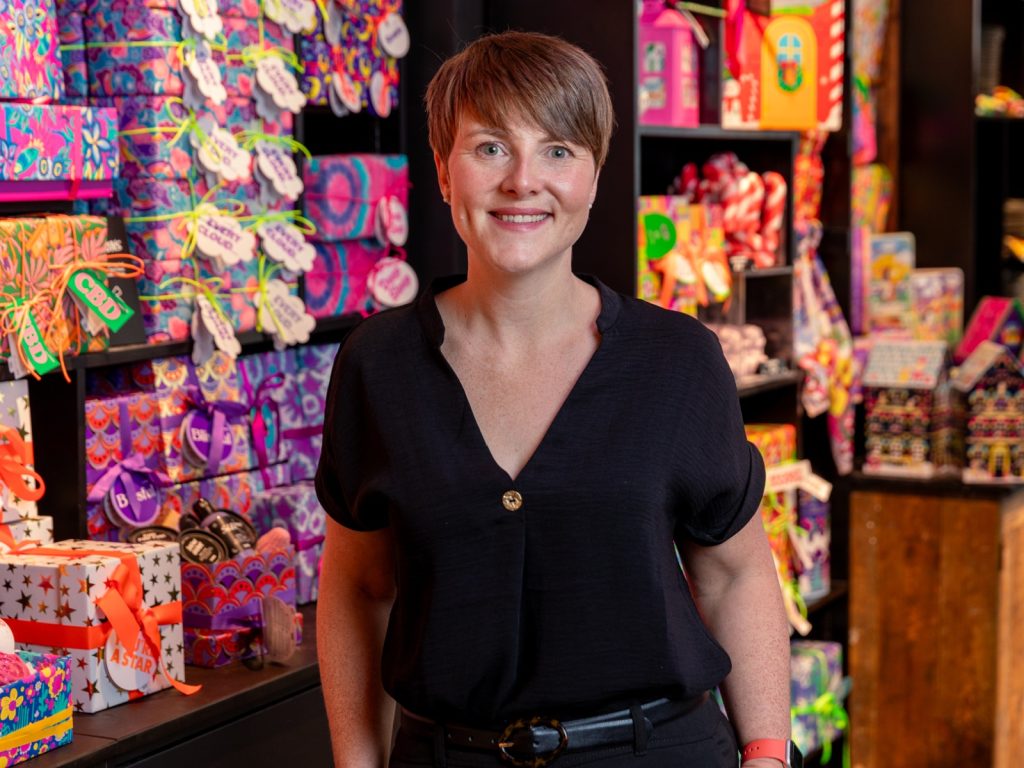
Speaking to Retail Gazette about the rebrand, Oxfam retail director Rachel Cosgrove-Pearce acknowledges that vintage has become a “very competitive market” in recent times.
“Charity retail is the heart of the (vintage) market, but everyone is trying to get into the market as well, and we need to make sure that we stay relevant and competitive” she says.
For those shopping down Manchester’s Oldham Street, the exec points out that there are “a lot of second-hand for profit resellers” it is competing with.
“We were looking a bit tired, and we’re currently going through quite a big refit program anyway, but we saw an opportunity to do something a little bit differently with this particular shop,” she says.
“It’s unique, it’s not replicated anywhere across the network at all, so it’s like a stripped back version to really showcase the products.
“There’s still Oxfam branding but it does look and feel a little bit different. It’s all about showcasing the product and how fabulous the vintage product is.”
The vintage shop isn’t Oxfam’s only store on Oldham Street. The charity has another one across the road which Cosgrove-Pearce describes as “one of our standard shops”.
“Standard is certainly not the way to describe a charity shop, because they’re anything but standard,” she adds.
“But that one sells our core offer of books, fashion, new goods, that kind of thing.”

In light of the recent wave of high street retailers rolling out pre-loved clothing to their stores, Cosgrove-Pearce says she thinks it “signifies a change and a shift”.
“Charity and second-hand is at the heart of this market and that’s where we need to keep positioned because there are so many other companies who want to come into this market as well,” she explains.
“That’s why we’ve got to be competitive and keep our edge. That’s why we’ve got to do things like the vintage shop, keep innovating and having a really positive customer experience.”
In keeping with this, Oxfam kicked off a city-wide treasure hunt across Manchester prior to its vintage store launch, with oversized ‘50 per cent off’ tags hidden in the charity’s shops around the city.
Shoppers who found the tags were able to redeem them at the Oxfam Vintage store when it opened, adding an interactive element to the launch and helping drive footfall to the new site.

Oxfam trades from a variety of different store formats, including Oxfam shop, Oxfam Bookshop, Oxfam Superstore and Oxfam Music.
Although Cosgrove-Pearce says there are currently no plans for the charity to launch any new concept stores, she notes that it is about to launch another bookshop in Shrewsbury, meaning it will have two bookshops in the same town.
She also reveals that the organisation is planning to “turn one of them into a crime fiction special”.
“We’re super excited about it and I think they’re going to have real fun with it,” the exec says.
“I’ve not seen the final concept, but that’s one to look forward to.”
“We do have a variety (of concept stores). We’ve got the superstores, we’ve now got the vintage store, we’re refitting stores, we’ve got bookshops and we’re going to hopefully have a specialist bookshop. So we’re always on the lookout for new opportunities.”

Vintage and secondhand clothes shopping may have a reputation for particularly appealing to younger shoppers and Gen Z.
In April 2025, research from charity retailer Traid and Statista found that over 80 per cent of 18 to 34 year olds showed a strong affinity for wearing secondhand clothing.
Among those aged 55 to 64 years old, only roughly half of respondents wore second-hand items.
Despite this, Cosgrove-Pearce assures that vintage fashion should be enjoyed by everyone regardless of their age.
“Vintage is for everyone. I know sometimes it’s marketed particularly at a certain generation but it is for everyone,” she says.
“Whether you’re looking for a brand that you used to love that maybe doesn’t exist anymore or you’re looking to replace, or you’re just looking for something that you know you won’t see a lot of other people wearing.”
She adds: “Some of the fun of it is coming back home and doing a bit of research to find out what you’ve bought.
“It’s just about having fun and not trying to pigeonhole customers because it is for everyone.”
Click here to sign up to Retail Gazette‘s free daily email newsletter