
Interview: The invisible cotton problem returning to global supply chains

A rise in prohibited cotton entering Western supply chains has been linked to growing trade disruption, shifting manufacturing routes and what one industry executive describes as a widening “gap between documentation and truth” in global sourcing.
5 minutes with...Big InterviewFashionFeature ArticlesGeneral RetailInsightSupply ChainSustainability

A rise in prohibited cotton entering Western supply chains has been linked to growing trade disruption, shifting manufacturing routes and what one industry executive describes as a widening “gap between documentation and truth” in global sourcing.

Photo: Oritain chief commercial officer Rupert Hodges

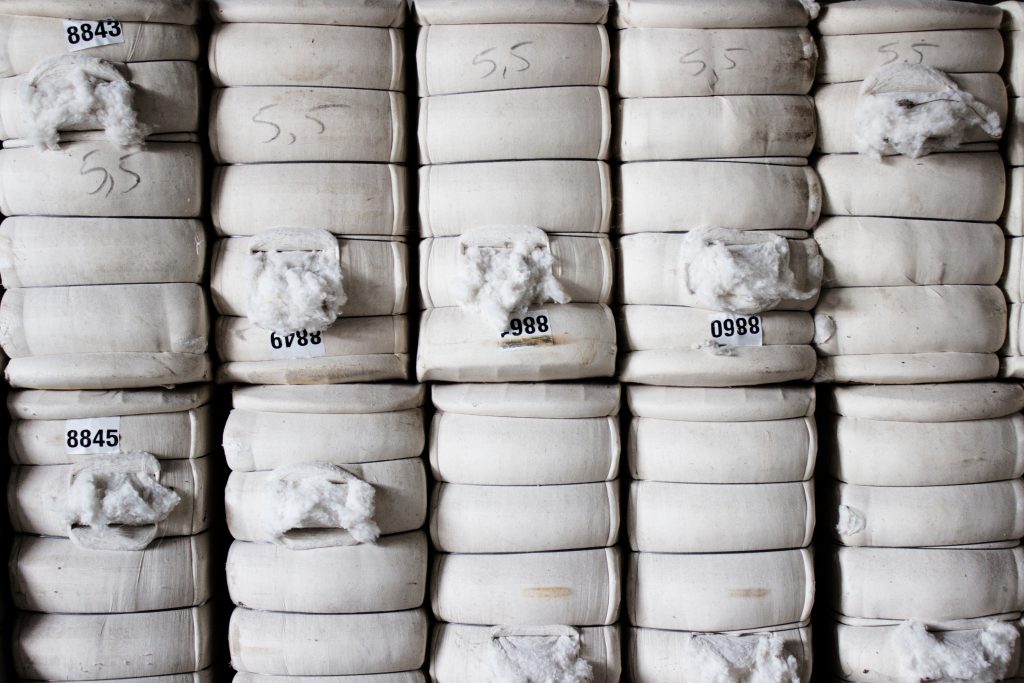
New data from Oritain’s 2026 Global Supply Chain Intelligence Report suggests exposure to cotton linked to restricted or prohibited regions rose in 2025 for the first time in four years. The company’s forensic sampling programme, which analyses around 1,000 garments annually across 40 brands, found that 13 per cent of tested items contained raw materials sourced from such regions, up from 6 per cent the previous year.

The report also found that 90 per cent of brands tested showed exposure in at least one item of clothing, up from 64 per cent in 2024. While nearly all UK firms surveyed say they now trace most of their cotton supply chains, most still rely heavily on supplier declarations and paperwork.

Retail Gazette caught up with Oritain chief commercial officer Rupert Hodges who says the shift reflects pressure building across global trade rather than a single compliance failure.


Why visibility is no longer enough

“It’s a little bit of all of those things,” Hodges says, pointing to tariffs, geopolitical tension and changing sourcing patterns. He highlighted China’s role in global cotton flows, noting that its share of production increased to 27 per cent over the period, according to the report.

But he argues that the more important issue is how cotton moves through fragmented supply chains.

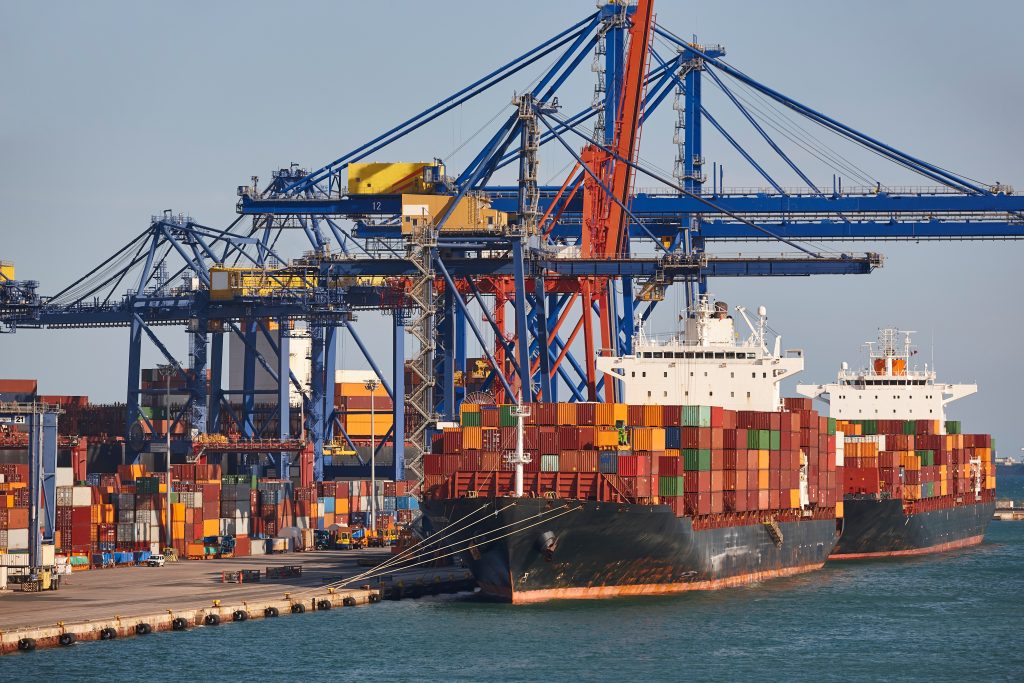
“Just resourcing to a new country doesn’t necessarily mean you’re not going to be caught up in the supply chain,” he says. Cotton, he explains, often enters markets early in the chain and then moves through yarn and fabric production before reaching final manufacturing hubs such as Vietnam or Bangladesh.

That dynamic, he says, creates a “perfect storm” in which prohibited cotton can reappear in finished goods even when brands believe they have shifted sourcing away from higher-risk regions.

The report suggests the issue is now systemic rather than confined to individual firms. Hodges says similar levels of exposure were seen in 2021 and 2022, before falling and then rising again, pointing to structural rather than temporary drivers.

He adds that increased trade flows and sourcing adjustments had “caught up” with existing control systems, leaving brands exposed to risks they cannot see through documentation alone.

Across the industry, traceability systems have expanded rapidly. But Hodges questions whether visibility has translated into assurance.
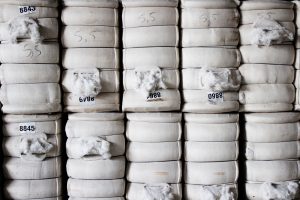
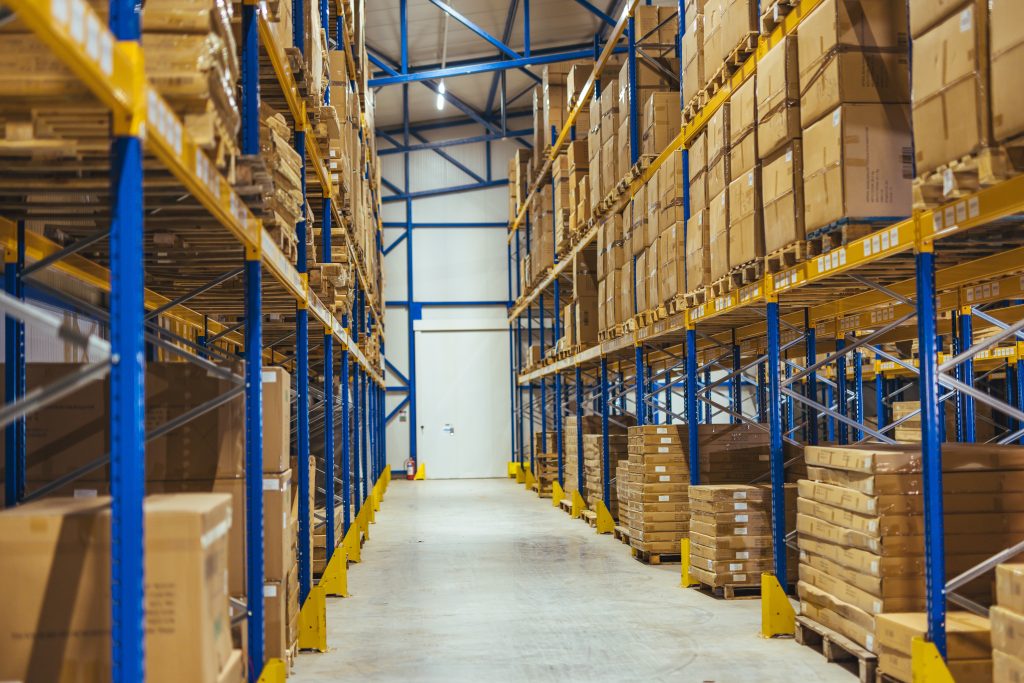
Brands are struggling to match rising transparency regulations with meaningful action, highlighting weaknesses in the global supply chain, a new report has revealed.
Photo: Shutterstock. Oritain’s new report shows brands are struggling to match rising transparency regulations with meaningful action, highlighting weaknesses in the global supply chain.

“When people do a supply chain mapping exercise, their suppliers will declare their known suppliers or their biggest suppliers, but that changes on an ongoing basis,” he says. “When you run out of stock, you buy from anyone.”

As a result, he argues that mapping and digital tracking tools are not sufficient on their own.

“What we’re seeing is that just mapping a supply chain and hoping that gives you the right information is not enough,” he says. “You need a programmatic approach to testing.”

He describes this as a shift from static visibility to continuous verification, including testing across different tiers of the supply chain over time rather than relying on snapshot audits.

The stakes, he says, are rising as regulation tightens and consumer trust erodes. The report cites research showing 60 per cent of consumers actively avoid products linked to untrusted origins, while only 3 per cent trust marketing claims. It also notes that government regulation and scientific traceability rank highest in consumer trust.

Policy changes are expects to add further pressure. The EU Deforestation Regulation, which begins phased application from late 2025 for large operators, will require companies placing certain commodities on the EU market to prove they are not linked to deforestation.

Digital Product Passports, part of wider EU sustainability reforms, are expected to be rolled out from 2026 onwards, with timelines still evolving.

Hodges says such measures will not reduce the need for testing, but increase it.

“A digital product passport will carry a claim on it,” he says. “If you are making a claim and don’t know the origin, you could be in significant issues.”

He cites potential penalties under EU regimes, including fines of up to 4 per cent of global turnover for certain sustainability misstatements, arguing that regulatory pressure will make verified origin data more important, not less.
The US Section 301 tariff regime, which continues to apply additional duties on a wide range of Chinese imports, was also cites as a factor reshaping sourcing decisions and accelerating shifts across manufacturing regions.

Who is most exposed as enforcement tightens?

Asked which parts of the industry are most exposed, Hodges rejects the idea that risk is confined to fast fashion or any single segment.

“I don’t think there’s one particular group,” he says. “The individuals at risk are those that don’t understand their supply chain and don’t have verification.”

He adds that reliance on paper-based systems leaves companies particularly vulnerable as supply chains become more fluid and harder to track.

Looking ahead, he warns that cotton is only the beginning. Timber, leather and other commodities are already coming under similar scrutiny as regulations expand, including under the EU’s deforestation rules and wider forced labour discussions.

“Cotton is probably two years ahead,” he says. “But the same risks are coming across all commodity raw materials.”

As enforcement tightens, he says, the central challenge remains unchanged: knowing the true origin of materials before they enter complex global systems.

Without that, he warns, companies risk being caught by rules they believe they are already complying with.

Click here to sign up to Retail Gazette‘s free daily email newsletter

5 minutes with...Big InterviewFashionFeature ArticlesGeneral RetailInsightSupply ChainSustainability

Leave a Reply

Your email address will not be published. Required fields are marked *

Fill out this field
Fill out this field
Please enter a valid email address.

Interview: The invisible cotton problem returning to global supply chains

A rise in prohibited cotton entering Western supply chains has been linked to growing trade disruption, shifting manufacturing routes and what one industry executive describes as a widening “gap between documentation and truth” in global sourcing.

A rise in prohibited cotton entering Western supply chains has been linked to growing trade disruption, shifting manufacturing routes and what one industry executive describes as a widening “gap between documentation and truth” in global sourcing.

Photo: Oritain chief commercial officer Rupert Hodges

New data from Oritain’s 2026 Global Supply Chain Intelligence Report suggests exposure to cotton linked to restricted or prohibited regions rose in 2025 for the first time in four years. The company’s forensic sampling programme, which analyses around 1,000 garments annually across 40 brands, found that 13 per cent of tested items contained raw materials sourced from such regions, up from 6 per cent the previous year.

The report also found that 90 per cent of brands tested showed exposure in at least one item of clothing, up from 64 per cent in 2024. While nearly all UK firms surveyed say they now trace most of their cotton supply chains, most still rely heavily on supplier declarations and paperwork.

Retail Gazette caught up with Oritain chief commercial officer Rupert Hodges who says the shift reflects pressure building across global trade rather than a single compliance failure.


Why visibility is no longer enough

“It’s a little bit of all of those things,” Hodges says, pointing to tariffs, geopolitical tension and changing sourcing patterns. He highlighted China’s role in global cotton flows, noting that its share of production increased to 27 per cent over the period, according to the report.

But he argues that the more important issue is how cotton moves through fragmented supply chains.

“Just resourcing to a new country doesn’t necessarily mean you’re not going to be caught up in the supply chain,” he says. Cotton, he explains, often enters markets early in the chain and then moves through yarn and fabric production before reaching final manufacturing hubs such as Vietnam or Bangladesh.

That dynamic, he says, creates a “perfect storm” in which prohibited cotton can reappear in finished goods even when brands believe they have shifted sourcing away from higher-risk regions.

The report suggests the issue is now systemic rather than confined to individual firms. Hodges says similar levels of exposure were seen in 2021 and 2022, before falling and then rising again, pointing to structural rather than temporary drivers.

He adds that increased trade flows and sourcing adjustments had “caught up” with existing control systems, leaving brands exposed to risks they cannot see through documentation alone.

Across the industry, traceability systems have expanded rapidly. But Hodges questions whether visibility has translated into assurance.

Brands are struggling to match rising transparency regulations with meaningful action, highlighting weaknesses in the global supply chain, a new report has revealed.
Photo: Shutterstock. Oritain’s new report shows brands are struggling to match rising transparency regulations with meaningful action, highlighting weaknesses in the global supply chain.

“When people do a supply chain mapping exercise, their suppliers will declare their known suppliers or their biggest suppliers, but that changes on an ongoing basis,” he says. “When you run out of stock, you buy from anyone.”

As a result, he argues that mapping and digital tracking tools are not sufficient on their own.

“What we’re seeing is that just mapping a supply chain and hoping that gives you the right information is not enough,” he says. “You need a programmatic approach to testing.”

He describes this as a shift from static visibility to continuous verification, including testing across different tiers of the supply chain over time rather than relying on snapshot audits.

The stakes, he says, are rising as regulation tightens and consumer trust erodes. The report cites research showing 60 per cent of consumers actively avoid products linked to untrusted origins, while only 3 per cent trust marketing claims. It also notes that government regulation and scientific traceability rank highest in consumer trust.

Policy changes are expects to add further pressure. The EU Deforestation Regulation, which begins phased application from late 2025 for large operators, will require companies placing certain commodities on the EU market to prove they are not linked to deforestation.

Digital Product Passports, part of wider EU sustainability reforms, are expected to be rolled out from 2026 onwards, with timelines still evolving.

Hodges says such measures will not reduce the need for testing, but increase it.

“A digital product passport will carry a claim on it,” he says. “If you are making a claim and don’t know the origin, you could be in significant issues.”

He cites potential penalties under EU regimes, including fines of up to 4 per cent of global turnover for certain sustainability misstatements, arguing that regulatory pressure will make verified origin data more important, not less.

The US Section 301 tariff regime, which continues to apply additional duties on a wide range of Chinese imports, was also cites as a factor reshaping sourcing decisions and accelerating shifts across manufacturing regions.

Who is most exposed as enforcement tightens?

Asked which parts of the industry are most exposed, Hodges rejects the idea that risk is confined to fast fashion or any single segment.

“I don’t think there’s one particular group,” he says. “The individuals at risk are those that don’t understand their supply chain and don’t have verification.”

He adds that reliance on paper-based systems leaves companies particularly vulnerable as supply chains become more fluid and harder to track.

Looking ahead, he warns that cotton is only the beginning. Timber, leather and other commodities are already coming under similar scrutiny as regulations expand, including under the EU’s deforestation rules and wider forced labour discussions.

“Cotton is probably two years ahead,” he says. “But the same risks are coming across all commodity raw materials.”

As enforcement tightens, he says, the central challenge remains unchanged: knowing the true origin of materials before they enter complex global systems.

Without that, he warns, companies risk being caught by rules they believe they are already complying with.

Click here to sign up to Retail Gazette‘s free daily email newsletter

Social


SUBSCRIBE TO OUR DAILY NEWSLETTER

  • This field is for validation purposes and should be left unchanged.
5 minutes with...Big InterviewFashionFeature ArticlesGeneral RetailInsightSupply ChainSustainability

Leave a Reply

Your email address will not be published. Required fields are marked *

Fill out this field
Fill out this field
Please enter a valid email address.

RELATED STORIES

Latest Feature


Menu


Close popup

Please enter the verification code sent to your email: