Nine in ten brands exposed to prohibited cotton, warns report

Brands are struggling to match rising transparency regulations with meaningful action, highlighting weaknesses in the global supply chain, a new report has revealed.
ResearchSupply Chain

Brands are struggling to match rising transparency regulations with meaningful action, highlighting weaknesses in the global supply chain, a new report has revealed.

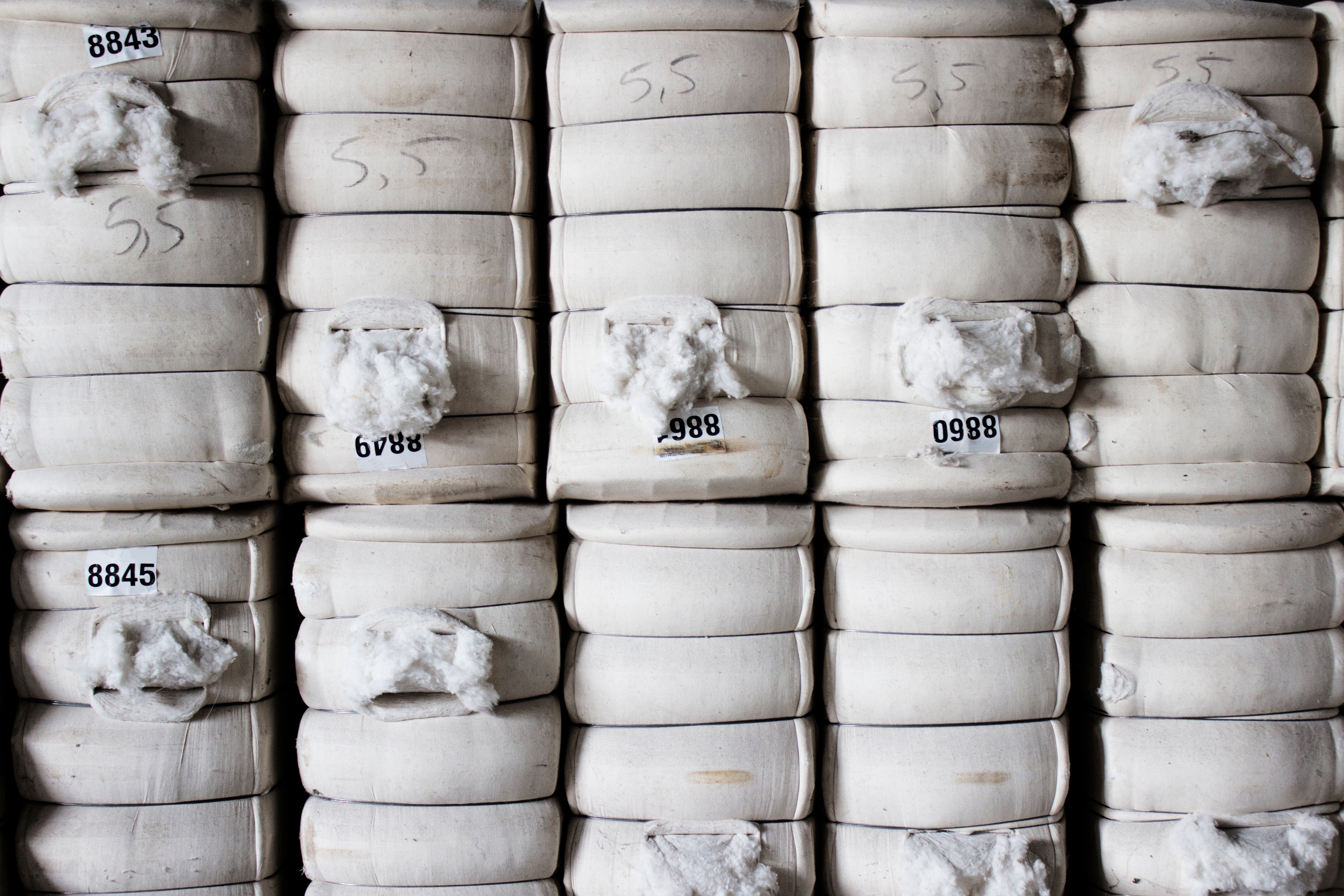
Global supply chain verification firm Oritain’s inaugural 2026 Global Supply Chain Intelligence Report found that 90% of brands analysed showed exposure to prohibited cotton in 2025, up sharply from 64% the previous year, despite widespread investment in traceability programmes.

According to the report, nearly 94% of UK businesses and 87% of US firms surveyed now trace their cotton supply chains, but Oritain argues that documentation alone is no longer enough to guarantee compliance or build consumer trust.

The report describes a growing “verification gap” between what businesses believe is happening in their supply chains and what forensic testing can actually prove.

Using a multi-year sampling programme analysing around 1,000 garments across 40 brands annually, Oritain said exposure to cotton prohibited by legislation had returned to pre-2021 levels after several years of improvement.

Meanwhile the data shows consumer scepticism is also intensifying, with 60% of shoppers now actively avoiding products linked to untrusted origins, while just 3% trust marketing claims alone, according to the research.

“The data tells a clear story: risk isn’t disappearing, it is re-emerging,” said Oritain CEO Alyn Franklin.

“As brands pivot manufacturing regions they’re finding that upstream material exposure hasn’t gone away, it is increasingly appearing in other key manufacturing hubs.”

The report argues that supply chain assurance models based on paperwork and periodic audits are becoming increasingly inadequate in a more enforcement-led environment.

Oritain said brands are facing rising operational risks including border delays, financial penalties and supply disruption, with 80% of UK brands surveyed reporting material impacts linked to sourcing issues.

Looking ahead, the company is calling for wider adoption of forensic verification technologies. It is understood these include isotope and trace element analysis, in a bid to independently confirm product origins across industries including fashion, leather, timber, coffee and dairy.

The report also found growing consumer demand for stronger proof of ethical sourcing, such as 69% supporting mandatory verification requirements for leather products.

Franklin added: “Visibility without verification no longer holds. What matters now is evidence that stands up.”

Click here to sign up to Retail Gazette‘s free daily email newsletter

ResearchSupply Chain

Leave a Reply

Your email address will not be published. Required fields are marked *

Fill out this field
Fill out this field
Please enter a valid email address.

Nine in ten brands exposed to prohibited cotton, warns report

Brands are struggling to match rising transparency regulations with meaningful action, highlighting weaknesses in the global supply chain, a new report has revealed.

Brands are struggling to match rising transparency regulations with meaningful action, highlighting weaknesses in the global supply chain, a new report has revealed.

Global supply chain verification firm Oritain’s inaugural 2026 Global Supply Chain Intelligence Report found that 90% of brands analysed showed exposure to prohibited cotton in 2025, up sharply from 64% the previous year, despite widespread investment in traceability programmes.

According to the report, nearly 94% of UK businesses and 87% of US firms surveyed now trace their cotton supply chains, but Oritain argues that documentation alone is no longer enough to guarantee compliance or build consumer trust.

The report describes a growing “verification gap” between what businesses believe is happening in their supply chains and what forensic testing can actually prove.

Using a multi-year sampling programme analysing around 1,000 garments across 40 brands annually, Oritain said exposure to cotton prohibited by legislation had returned to pre-2021 levels after several years of improvement.

Meanwhile the data shows consumer scepticism is also intensifying, with 60% of shoppers now actively avoiding products linked to untrusted origins, while just 3% trust marketing claims alone, according to the research.

“The data tells a clear story: risk isn’t disappearing, it is re-emerging,” said Oritain CEO Alyn Franklin.

“As brands pivot manufacturing regions they’re finding that upstream material exposure hasn’t gone away, it is increasingly appearing in other key manufacturing hubs.”

The report argues that supply chain assurance models based on paperwork and periodic audits are becoming increasingly inadequate in a more enforcement-led environment.

Oritain said brands are facing rising operational risks including border delays, financial penalties and supply disruption, with 80% of UK brands surveyed reporting material impacts linked to sourcing issues.

Looking ahead, the company is calling for wider adoption of forensic verification technologies. It is understood these include isotope and trace element analysis, in a bid to independently confirm product origins across industries including fashion, leather, timber, coffee and dairy.

The report also found growing consumer demand for stronger proof of ethical sourcing, such as 69% supporting mandatory verification requirements for leather products.

Franklin added: “Visibility without verification no longer holds. What matters now is evidence that stands up.”

Click here to sign up to Retail Gazette‘s free daily email newsletter

Social


SUBSCRIBE TO OUR DAILY NEWSLETTER

  • This field is for validation purposes and should be left unchanged.
ResearchSupply Chain

Leave a Reply

Your email address will not be published. Required fields are marked *

Fill out this field
Fill out this field
Please enter a valid email address.

RELATED STORIES

Latest Feature


Menu


Close popup

Please enter the verification code sent to your email: