


Imagine stepping into your local supermarket for the weekly shop, only to be met with shortages from the fruit and vegetable aisle to the tea and coffee shelves.
That is not yet the forecast, but it is an increasingly likely scenario the grocery industry is being warned to prepare for. Fear is growing that the sector could soon face an unprecedentedly severe El Niño weather event, together with higher energy costs, geopolitical disruption and pressure on food supply chains.
While food inflation has remained stable in recent months, Institute of Grocery Distribution (IGD) chief economist James Walton warns the recent calm in food prices has not meant the underlying pressures have gone away.
“Food inflation has remained fairly weak,” Walton says, despite the war in Ukraine, conflict in the Middle East and the developing El Niño event. “Most of the people that we’ve been speaking to have been a little bit baffled and surprised. Pleasantly surprised, but surprised.”
The latest figures from the Office for National Statistics, released 16 September, showed food and non-alcoholic drink inflation remained at 1.3 per cent in August, unchanged from July, while inched up only 0.4 per cent over the month.
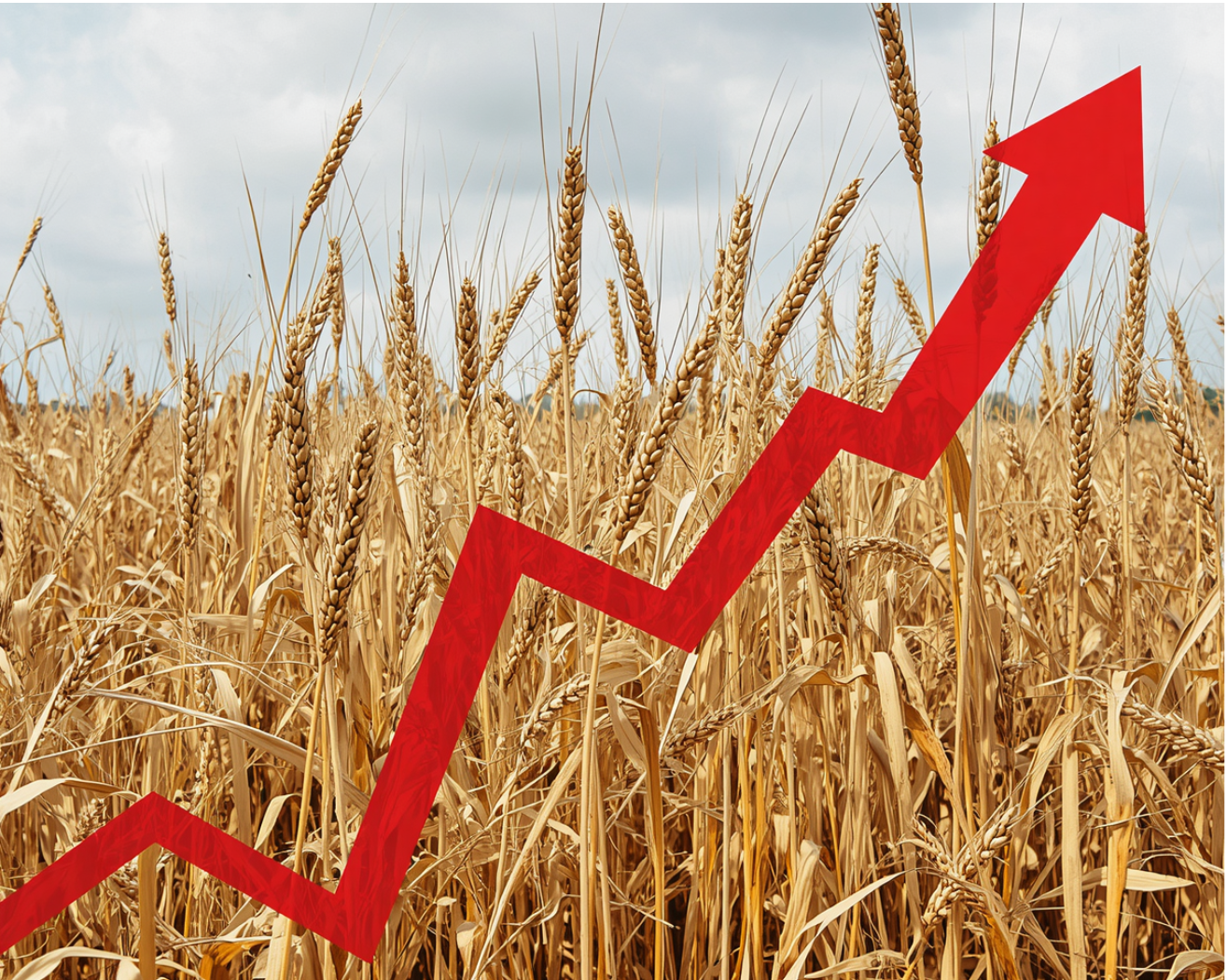
However, Walton believes the period of relative calm may be coming to an end and inflation could skyrocket to between 5.6 per cent and 6.6 per cent across 2027, a prediction supported by Food and Drink Federation data which also forecasts food and non-alcoholic drink inflation of 6.4 per cent in July 2027.
The latest data forecast are a sharp contrast to beginning of 2026, which were marked by “plentiful food stocks”, manageable energy and commodity prices, and allowed businesses across the supply chain to absorb some of the pressure. Meanwhile, hedging, locking in prices in advance to protect against future rises, also helped.
“Buyers and traders were able to hedge at fairly acceptable prices and lock in relatively low prices for a large part of the year,” Walton says, but warns supermarkets cannot hedge indefinitely.
“At some point, you need to re-hedge at a higher price,” he says. “That’s the point at which the cost of higher prices in the aftermath of this harvest are going to start to come in.”
“Hedging is always a little bit of a gamble in that you’re making a guess about the future based upon incomplete information,” Walton says. “At the best, it’s always going to be an educated guess.”
Despite the sector’s attempts to the delay inflation, IGD data shows the biggest new variable is one the industry cannot hedge away: the weather.
What does this look like for shoppers?
El Niño, when unnaturally warm Pacific waters alter weather patterns around the world, usually lasts between nine and 12 months and occurs every two to seven years, according to the UN’s Food and Agriculture Organization.
Previous El Niños, such as in 2023 and into 2024, impacted food staples from coffee to cocoa as as regions in Brazil, Vietnam and the West African regions were badly hit by heat and drought.
The UK government’s own food-security report shows the price of cocoa reached a 45-year high in April 2024, at £219.40 ($295) per kg, having risen 116 per cent in the first five months of 2024. Likewise, In Peru, unusually warm seas disrupted the marine ecosystem resulting in country’ marine research institute reporting anchovy landings fell by 50 per cent in 2023 compared with 2022.
IGD predicts the new El Nino event is already underway and is expected to become unusually strong, with The World Meteorological Organization agreeing there is a near-100 per cent chance that the current event will persist through February 2027.
Looking at looking at current sea-surface temperature forecasts, Walton says the predicted event is “considerably in excess of anything that we’ve seen hitherto, certainly going back at least 100 years, if not longer than that”.
However, Walton warns that this does not mean every crop will fail, or that British supermarket shelves will suddenly be empty. Previous El Niños have affected different growing regions and crops in different ways, while the impact on British shoppers can take months to pass through a complicated global supply chain.
Instead, Walton says there are categories shoppers should look to first. “If I was looking to find evidence of El Nino affecting the shopper, I’d probably look at fruit and veg first,” he says.
Fresh produce, with its tendencies to have shorter production cycles, go from farm to shopper with less processing, meaning weather problems can show up relatively quickly in availability or price.
Among the categories most at risk, Walton singled out potatoes, apples and pumpkins. “We’re already talking about the effect of El Nino on the pumpkin harvest in terms of the size and toughness of the pumpkins,” he says. “Maybe 2027 is going to be the era of the short chip.”
The UK’s vulnerability to El Nino also comes from the amount the country relies on imports of fresh produce. Government figures show that domestic production supplied only 16 per cent of the country’s fresh fruit needs in 2023, meaning roughly 84 per cent came from elsewhere. For vegetables, domestic production supplied 53 per cent meanwhile the UK imported 2.49 million tonnes of exotic and citrus fruit in 2023 alone.
This summer, heat across Europe and North Africa have already contributed to a shortage of cucumbers in Britain, with the UK typically producing only around a fifth of the cucumbers it consumes. Growers says extreme heat in Spain and Morocco had damaged crops, leaving British retailers more dependent on supplies from the Netherlands.
And this year’s domestic harvest has not fared much better. Defra says wheat and spring barley yields are below the five-year national average, while AHDB reported in August that wheat yields were around 13 per cent below that average.
The FDF’s chief economist, Liliana Danila, says the food system was “straining to find further efficiencies” to keep costs down, but warned that pressures from the conflict in Iran, drought across the UK and Europe and El Niño would still feed through into prices. This August alone, FDF analysis of the latest figures found that fish prices were 11.8 per cent higher than a year earlier, while pasta was up 7.2 per cent. At the same time, some products, including butter, were cheaper.
And while Walton says subdued consumer demand has helped, “pretty neutral” shopper confidence have left supermarkets reluctant to push through price rises for fear of losing sales and market share – he does not expect that to be enough forever.
“Food inflation’s current weakness will not last,” he said. “Stock buffers and hedging have delayed, not removed, the pressure building from disrupted energy markets and extreme weather.”
And the longer-term answer, he argues, is not another round of short-term fixes. “It reinforces our view that food inflation has been delayed, not avoided.” As Walton says, ““The longer-term answer is a more resilient food system, with greater productive capacity, ideally domestically where appropriate.”
Click here to sign up to Retail Gazette‘s free daily email newsletter


