How Primark is rebuilding its supply chain for digital and sustainable growth

Primark
FashionFeature ArticlesSupply ChainSustainability

The value fashion retailer is pairing a store-led model with automated fulfilment; home delivery; and longer-term investment in textile-to-textile recycling.

Primark is entering a new phase of growth. After years of resisting ecommerce, the retailer is preparing to launch home delivery across the UK and investing in the infrastructure needed to support it.

At the same time, a long-term recycling agreement signals an effort to embed more circular materials in its supply chain without abandoning the low-price proposition at the heart of the brand.

Supply chain: automation meets circular sourcing

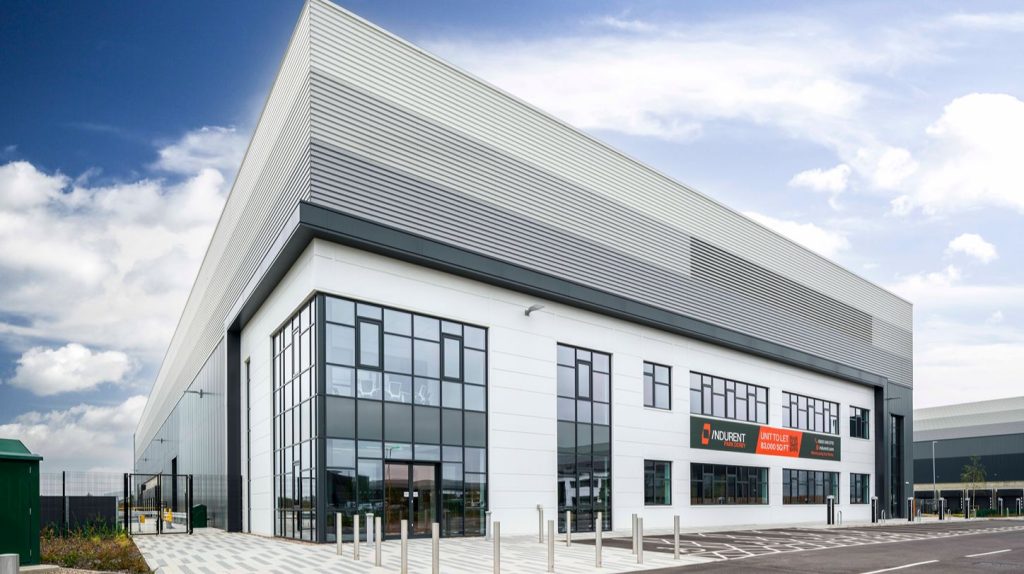
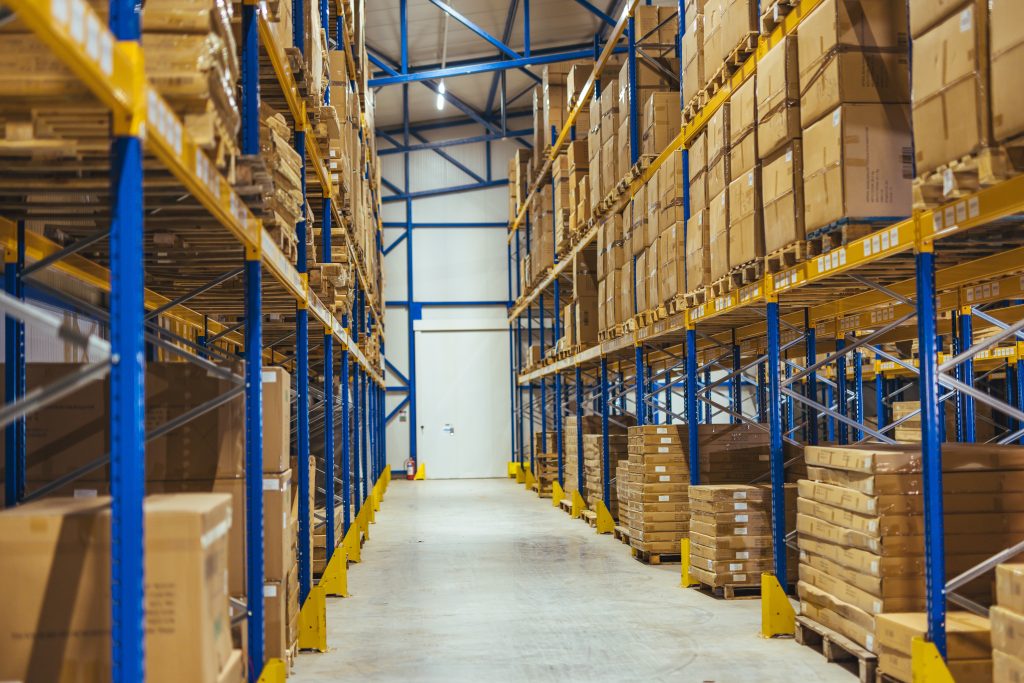
The very day Primark announced its home-delivery roll out, the retailer acquired the automation and took over the lease at Debenhams’ Sheffield distribution centre. The highly automated facility, purchased in a in a £90m cash deal, will support its planned home-delivery service.

Although the retailer has not disclosed a home-delivery launch date, the move adds a new capability to a supply chain historically built around stores. It gives Primark dedicated infrastructure for picking and dispatching online orders. It also enables the business to pursue ecommerce growth without recasting itself as an online-first retailer.

Further upstream, Primark has signed a long-term purchase agreement with textile-to-textile recycler Circ. Recycled polyester produced from post-consumer and post-industrial textile waste will be introduced into Primark clothing from 2029. Circ’s first industrial-scale commercial plant will source waste globally, including from Europe.

The agreement is Primark’s first multi-year offtake deal with a textile-to-textile recycler. By committing in advance to buy future output, the retailer is helping create demand for recycling capacity while securing access to a material intended to reduce its reliance on virgin polyester.


Sustainability: moving circularity towards scale

The Circ partnership sits within Primark Cares, the retailer’s wider sustainability strategy. Its priorities include circular design, extending garment life through reuse and repair, increasing recycled fibre use and improving traceability across the supply chain.

Primark Cares director Lynne Walker says: “We launched Primark Cares with a focus on improving the quality and longevity of our clothing, and in the process show that clothes made to last longer don’t have to come at a higher price.

“Since then, we’ve delivered tangible progress, including increasing the use of recycled fibres, introducing products designed to be recycled and enhancing traceability across our supply chain.”

The 2029 start date underlines the long-term nature of the transition. The commercial challenge is to turn emerging recycling technology into dependable, high-volume supply while maintaining the affordability on which its customer proposition depends.

Digital growth: a strategic shift, not a store retreat

Parent company Associated British Foods has described Primark as growing “digital maturity”, the success of Click & Collect and changes in the online market had created an opportunity for profitable growth through the channel.

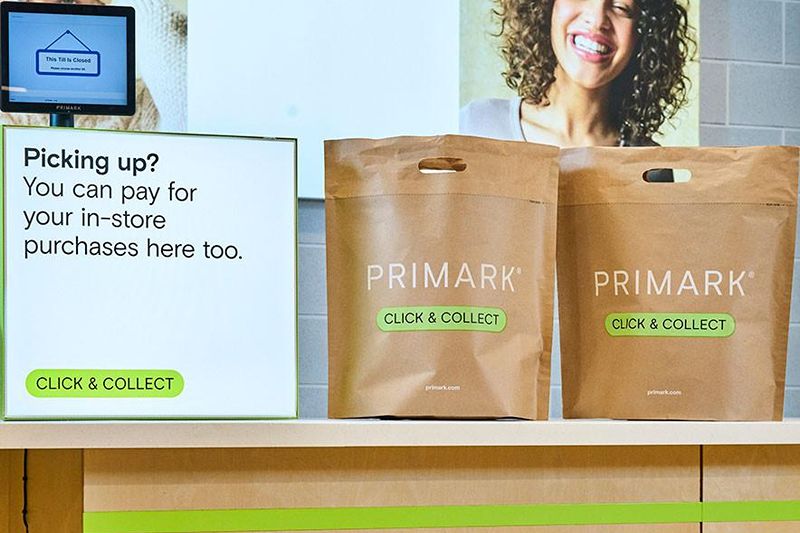
The launch builds on several years of investment. Primark has rolled out Click & Collect nationwide and strengthened its website, customer relationship management, digital marketing and mobile app. The Sheffield facility gives those customer-facing capabilities a physical fulfilment backbone.

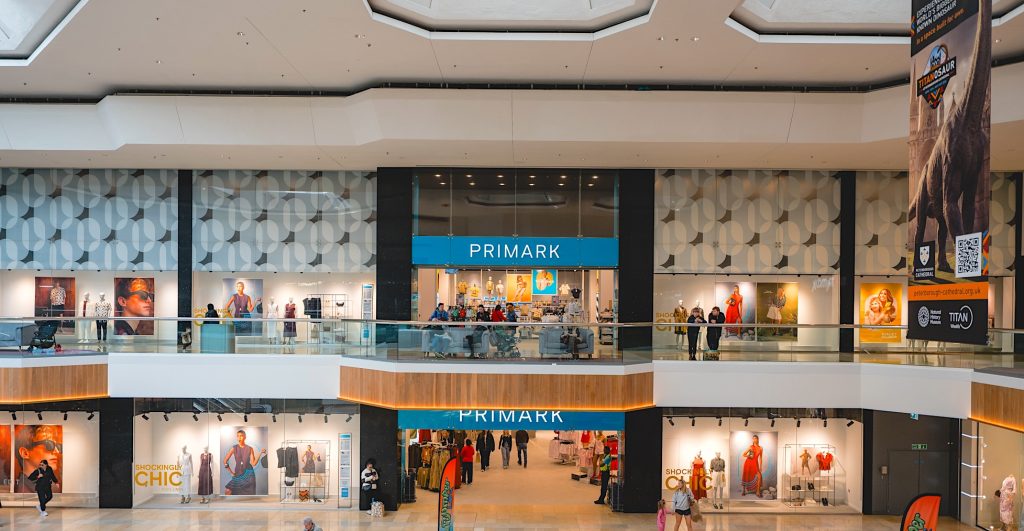
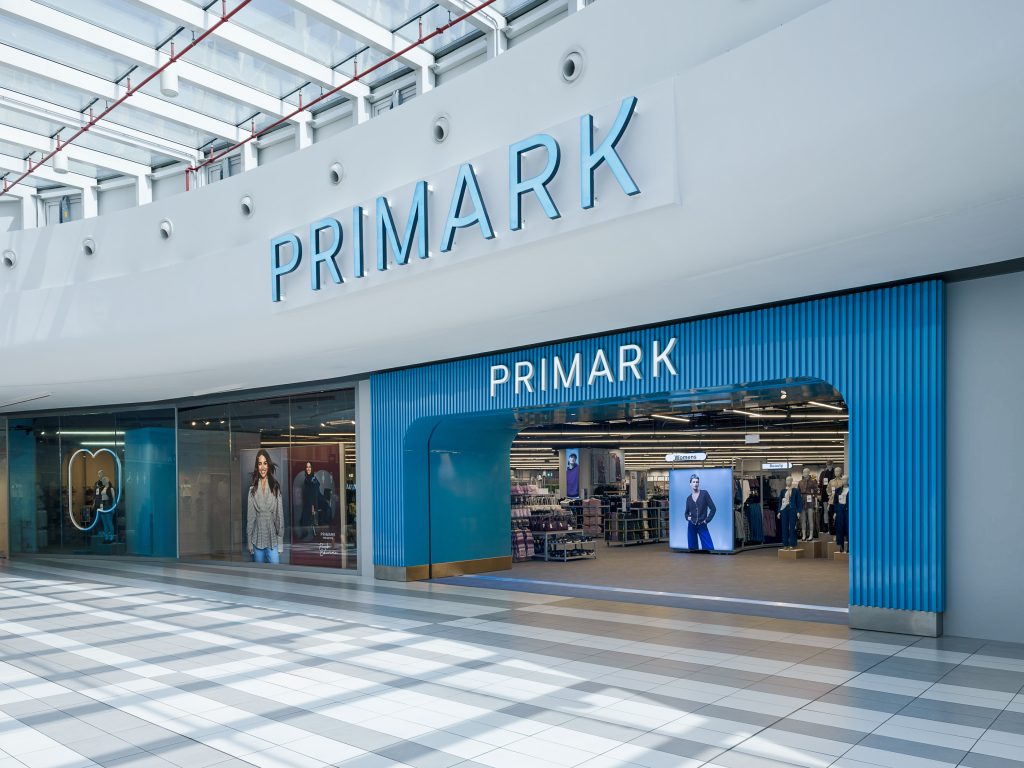
Yet the strategy remains explicitly store-led with home-delivery intended to add incremental sales alongside further Click & Collect expansion, rather than replace the role of the estate. Chief executive George Weston said the retailer had made “significant progress” in its digital capabilities and now saw scope for additional profitable online growth.

Primark’s next chapter rests on integrating three moving parts: efficient automated fulfilment, a more circular materials pipeline and digital services that complement stores. The Sheffield investment provides the operational platform for ecommerce, while the Circ agreement extends transformation deeper into sourcing.

These investments highlight how the discount retailer is broadening how it sells and how it makes products, while seeking to preserve the value-led model that defines it.

Click here to sign up to Retail Gazette‘s free daily email newsletter

FashionFeature ArticlesSupply ChainSustainability

Leave a Reply

Your email address will not be published. Required fields are marked *

Fill out this field
Fill out this field
Please enter a valid email address.

How Primark is rebuilding its supply chain for digital and sustainable growth

Primark

The value fashion retailer is pairing a store-led model with automated fulfilment; home delivery; and longer-term investment in textile-to-textile recycling.

Primark is entering a new phase of growth. After years of resisting ecommerce, the retailer is preparing to launch home delivery across the UK and investing in the infrastructure needed to support it.

At the same time, a long-term recycling agreement signals an effort to embed more circular materials in its supply chain without abandoning the low-price proposition at the heart of the brand.

Supply chain: automation meets circular sourcing

The very day Primark announced its home-delivery roll out, the retailer acquired the automation and took over the lease at Debenhams’ Sheffield distribution centre. The highly automated facility, purchased in a in a £90m cash deal, will support its planned home-delivery service.

Although the retailer has not disclosed a home-delivery launch date, the move adds a new capability to a supply chain historically built around stores. It gives Primark dedicated infrastructure for picking and dispatching online orders. It also enables the business to pursue ecommerce growth without recasting itself as an online-first retailer.

Further upstream, Primark has signed a long-term purchase agreement with textile-to-textile recycler Circ. Recycled polyester produced from post-consumer and post-industrial textile waste will be introduced into Primark clothing from 2029. Circ’s first industrial-scale commercial plant will source waste globally, including from Europe.

The agreement is Primark’s first multi-year offtake deal with a textile-to-textile recycler. By committing in advance to buy future output, the retailer is helping create demand for recycling capacity while securing access to a material intended to reduce its reliance on virgin polyester.


Sustainability: moving circularity towards scale

The Circ partnership sits within Primark Cares, the retailer’s wider sustainability strategy. Its priorities include circular design, extending garment life through reuse and repair, increasing recycled fibre use and improving traceability across the supply chain.

Primark Cares director Lynne Walker says: “We launched Primark Cares with a focus on improving the quality and longevity of our clothing, and in the process show that clothes made to last longer don’t have to come at a higher price.

“Since then, we’ve delivered tangible progress, including increasing the use of recycled fibres, introducing products designed to be recycled and enhancing traceability across our supply chain.”

The 2029 start date underlines the long-term nature of the transition. The commercial challenge is to turn emerging recycling technology into dependable, high-volume supply while maintaining the affordability on which its customer proposition depends.

Digital growth: a strategic shift, not a store retreat

Parent company Associated British Foods has described Primark as growing “digital maturity”, the success of Click & Collect and changes in the online market had created an opportunity for profitable growth through the channel.

The launch builds on several years of investment. Primark has rolled out Click & Collect nationwide and strengthened its website, customer relationship management, digital marketing and mobile app. The Sheffield facility gives those customer-facing capabilities a physical fulfilment backbone.

Yet the strategy remains explicitly store-led with home-delivery intended to add incremental sales alongside further Click & Collect expansion, rather than replace the role of the estate. Chief executive George Weston said the retailer had made “significant progress” in its digital capabilities and now saw scope for additional profitable online growth.

Primark’s next chapter rests on integrating three moving parts: efficient automated fulfilment, a more circular materials pipeline and digital services that complement stores. The Sheffield investment provides the operational platform for ecommerce, while the Circ agreement extends transformation deeper into sourcing.

These investments highlight how the discount retailer is broadening how it sells and how it makes products, while seeking to preserve the value-led model that defines it.

Click here to sign up to Retail Gazette‘s free daily email newsletter

Social


SUBSCRIBE TO OUR DAILY NEWSLETTER

  • This field is for validation purposes and should be left unchanged.
FashionFeature ArticlesSupply ChainSustainability

Leave a Reply

Your email address will not be published. Required fields are marked *

Fill out this field
Fill out this field
Please enter a valid email address.

RELATED STORIES

Latest Feature


Menu

Get Inside Matalan

A supply chain case study delivered to your inbox in three emails. The 3 elements Matalan changed to impact its bottom line..

Matalan Supply Chain Programme Form

  • This field is for validation purposes and should be left unchanged.


Please enter the verification code sent to your email: