Has the UK food supply chain become too lean to withstand extreme weather?

Today, (13 August) marks the beginning of the UK's fifth heatwave of the summer, as UK retailers brace to reinforce a supply chain that is continuing to be hit by extreme temperatures.
Feature ArticlesGrocerySupply Chain

Today, (13 August) marks the beginning of the UK’s fifth heatwave of the summer, as UK retailers brace to reinforce a supply chain that is continuing to be hit by extreme temperatures.

Last month, the Met Office verified the hottest-day yet of 2026, 38°C, while overall this year has consistently produced hot days, with 35°C or higher was recorded in May, June and July for the first time in the UK weather record.

The UK is not the only country to experience such extreme conditions, with European cereals and oilseeds trade association Coceral predicting the heatwave has cost the continent’s grain farmers over €2bn (£1.7bn) in lost revenue and destroyed 9m tonnes of crops.

And while the hot weather and subsequent disruptions is currently unlikely to led to empty supermarket shelves, such reduction in produce yield has led to supply chain experts warning that the combination of widespread drought, wildfires, poor harvests and geopolitical disruption is beginning to expose how little room there is for error.

‘The first warning signs will be at the fresh-food counter’

Supply chain consultancy SCALA executive director Chris Clowes says Britain remains “a long way” from widespread food shortages. However, consumers are already seeing the first signs of trouble, such as higher prices, limits on what shoppers can buy and a narrower range of products.

Fresh produce is likely to feel the pressure first, Clowes says. Crops that need more water to grow, such as tomatoes, cucumbers, are particularly exposed when drought hits growing regions or wildfires disrupt production. Spain, a major source of fresh produce for the UK, has been dealing with extreme heat and fires this summer, which has already resulted in shortages.

“The crops most vulnerable to prolonged drought are those that rely heavily on consistent rainfall and irrigation,” says Blue Yonder chief sustainability officer Saskia van Gendt. “Potatoes, leafy greens, berries, onions and carrots could all face reduced yields if dry conditions continue, which could translate into tighter availability and higher prices from autumn onwards.”

Clowes says the problem is worsened by the way fresh food moves through the system. For example, he explains tomatoes can arrive at a supermarket distribution centre and be on sale within days. Unlike ambient categories, products such as toilet roll or tinned food, it isn’t the norm to hold large amounts of fresh stock that could spoil before it reaches shoppers.

“So there isn’t much safety stock and much contingency throughout the entire supply chain,” Clowes says. “It  comes into the warehouse, goes into the store, gets sold, and that’s it.”

As a result, Clowes expects the first response to shortages to be price rises as retailers and suppliers deal with tighter availability. After that could come rationing, limiting the amount shoppers can buy, followed by retailers reducing the number of products they stock.

“You might start to see some difference between what Tesco and Sainsbury’s are able to do” compared with smaller players, he says, because larger retailers can use their buying power to respond to tighter supply.

So rather than empty shelves, while a supermarket may still have cucumbers, for example, shoppers may see fewer varieties, pack sizes or promotional options on supermarket shelves.

“We saw that reaction after Covid,” Clowes says. “Retailers prioritised on core SKUs.”

“Widespread shortages were an awful long way off. I think strategic increases in prices or reduction in product and reduction in availability… I think we are already seeing, and we are likely to continue to see.”

And after fresh products, shoppers may see shortages in other categories, although the effects may take longer to appear.  “The impact will not stop at fresh produce,” van Gendt says. “Lower wheat yields could put pressure on staples such as bread and baked goods, while reduced availability and higher costs for animal feed could create knock-on effects across meat and dairy supply chains.”

The food supply chain has come under such strain before. Clowes points to the war in Ukraine and the resulting disruption to fertiliser supply, as well as recent spikes in coffee and cocoa prices following poor harvests in South America.

“We had huge spikes in coffee and chocolate or cocoa prices commodities because of poor harvests in South America,” he says. “And then you start seeing that coming through into prices for consumers, normally offset.”

The problem is not simply that Britain is short of food, he explains, it is that multiple sources of supply can come under pressure at the same time.

The UK remains heavily reliant on imports, with 87 per cent of fruit and 45 per cent of vegetables coming from overseas in 2025, according to figures cited by van Gendt from DEFRA’s horticulture statistics.

But Clowes cautions against treating imports as a weakness in themselves. Britain imports because consumers expect bananas, avocados and other products that cannot realistically be grown here at scale.

“I don’t think overseas sourcing is a safety net,” he says. “I think it’s a requirement as people have become, let’s say, global citizens.”

Van Gendt makes a similar point from the supply side, warning that simultaneous climate problems can reduce the flexibility available to retailers. “When drought affects domestic harvests while other regions face their own climate challenges, there is less flexibility in the system,” she says.

But a shift towards 60 per cent UK-grown fruit and vegetables would not only just mean buying more British produce, but would see supermarket shelves look fundamentally different, with seasonal British strawberries and berries replacing some of the year-round variety shoppers have become accustomed to.

“We’d have to fundamentally change what a fruit and veg supermarket looks like,” Clowes says. “Bananas would disappear, avocados would disappear.”

From “just in time” to “just in case”

The more immediate concern for retailers is what happens when a supply shock meets a logistics network with little spare capacity.

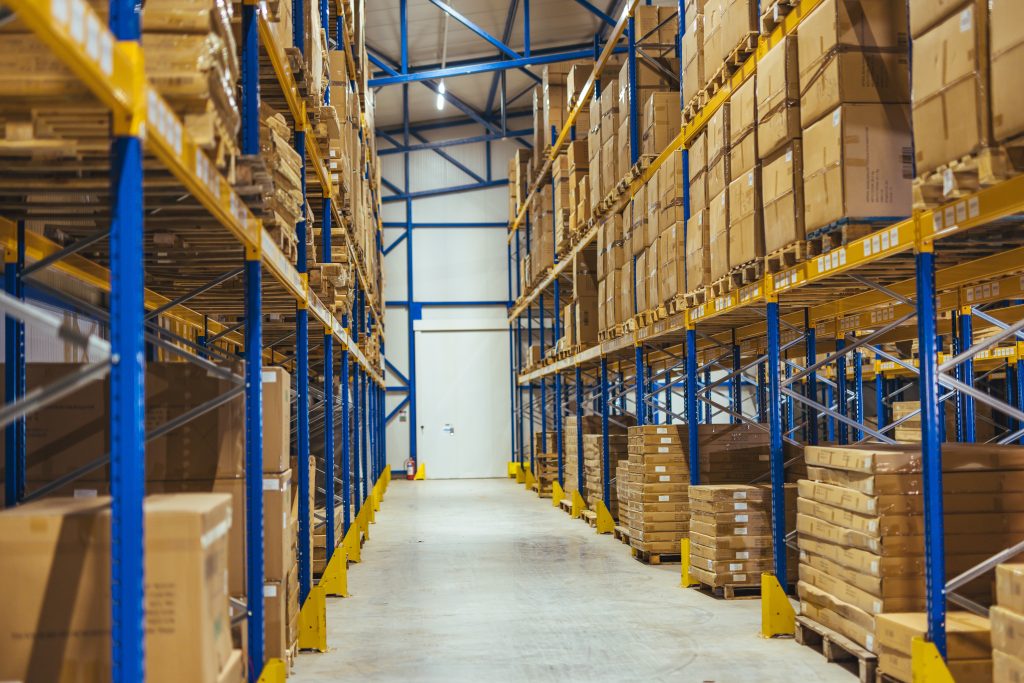
SCALA’s research found that 52 per cent of businesses hold less than a quarter of their stock as contingency or safety stock. More than two-fifths, 43 per cent, have no alternative site capable of fulfilling dispatches if their main warehouse becomes unavailable, as businesses have streamlined their operations around a single warehouse, supplier or route.

“I think that lean has almost, or lean as a principle of driving efficiency, has become almost too efficient in networks,” Clowes says. He says the industry has spent years pursuing “just in time” logistics. Covid, inflation, the war in Ukraine, the Suez Canal disruption and other geo-political shocks over recent years have since demonstrated the limits of a model designed primarily to remove cost and excess stock.

“We’re just in this constant world of change at the moment and challenge,” Clowes says. “There was some talk of moving to kind of from a just-in-time inventory principle to a just in case… I’m going to increase my stock holding, or I’m going to have multiple sources of supply.”

The problem, he says, is that a contingency plan for one event may not work when several disruptions arrive together.

“Your plan B isn’t a cyber attack,” he says. “It’s what happens when I have a cyber attack, I’m having shortages of deliveries, I can’t get product from somewhere, consumer demand is changing and is really volatile, and prices are going up.”

“If your main supplier of tomatoes is in Spain and your second supplier of tomatoes is also in Spain, well, both those suppliers are affected at the moment by what’s going on,” he says. “So it’s not a genuine plan B.”

Van Gendt says the food system is entering a period where those overlapping disruptions are becoming increasingly difficult to ignore.

Farmers and growers need more reliable access to water as drought and extreme weather continues to put pressure on UK food production, the National Farmers’ Union (NFU) has warned.

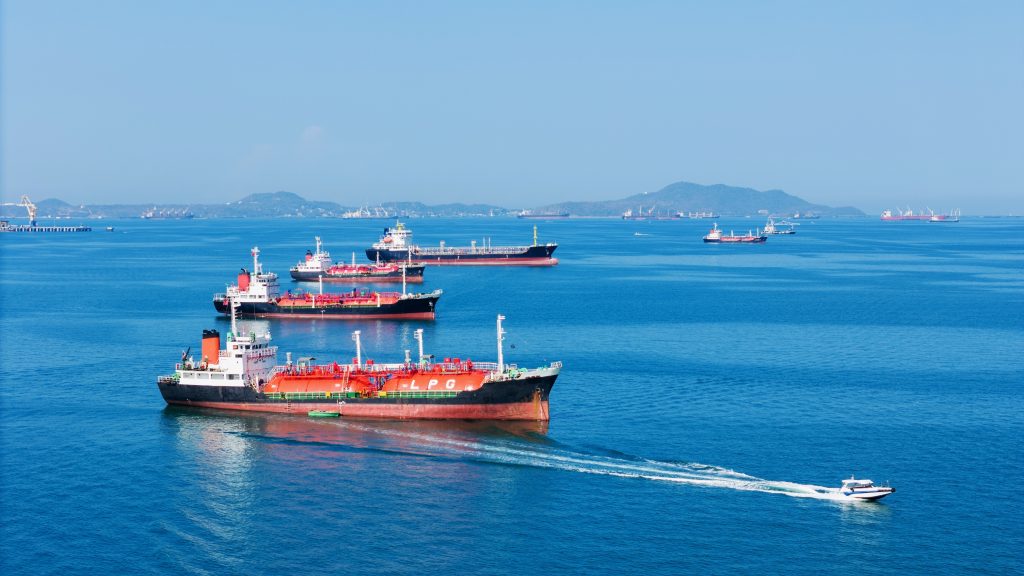
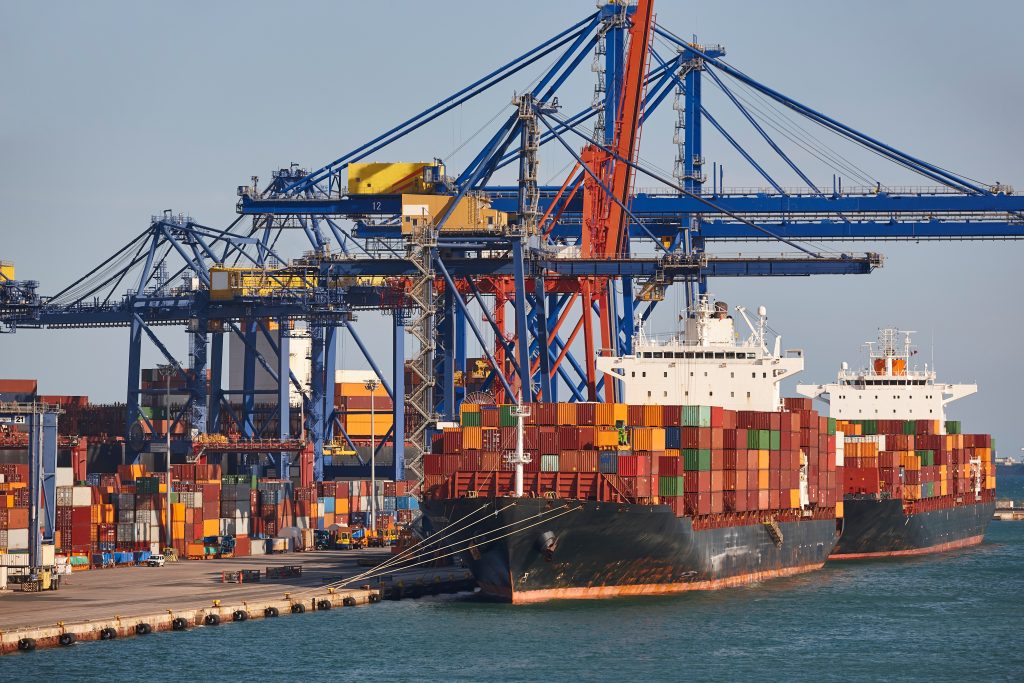
“We are entering a period where multiple shocks are happening at once,” she says. “From drought affecting the Panama Canal, to the Suez blockage, to disruption linked to the Strait of Hormuz, businesses are seeing how quickly global events can ripple through supply chains.”

Clowes argues that this resilience, such as creating more warehouses and converting to automaton. requires a lot of investment, and that government policy needs to recognise this trade-off too; If companies are encouraged to hold more stock, they need more warehouse space, yet higher business rates on logistics property could make that additional resilience harder to justify.

There is also fears of a shortage of labour. Clowes points to research from dairy giant Arla suggesting that a fifth of people working on farms are over 65, amid concerns about the availability of agricultural workers.

Van Gendt argues that there are ways to make production more resilient. “Regenerative farming practices, which improve soil health, increase biodiversity and reduce reliance on fertilisers, can help farms better withstand extreme weather while creating a more sustainable food system.”

Technology also has a role. “Adaptive supply chains powered by AI can help businesses anticipate disruption, identify risks earlier and make faster decisions when conditions change,” she says.

Sainsbury’s recent move to strengthen its supply of British-grown vegetables show, Clowes says the drought, wildfires and other disruptions are forcing British businesses to look closer to home.

The British Retail Consortium’s latest figures show food sales rose 3.8 per cent year on year in July, broadly in line with the previous year. IGD has warned that prolonged hot weather and the conflict in the Middle East are building pressure across the food supply chain, raising the prospect of higher costs and renewed pressure on household budgets in the autumn.

A new normal for food?

Both Clowes and van Gendt argue that while the UK’s food supply chain has shown it can survive disruption, the bigger test is what happens when multiple – drought, extreme heat, geopolitical instability, labour shortages and transport – arrive at the same time, or repeatedly.

Van Gendt argues that the businesses that respond best will be those prepared to rethink both farming and logistics.

“Drought alone will not empty supermarket shelves overnight,” she says. “But repeated climate shocks can gradually reduce the resilience of our food system.”

For Clowes, the adjustment is even more fundamental. “We’ve got to move from a just-in-time and a super lean way of working, which is what we’ve had for the past 10, 20 years,” he says. “We’ve got to change that to how do we become more resilient?”

Click here to sign up to Retail Gazette‘s free daily email newsletter

Feature ArticlesGrocerySupply Chain

Leave a Reply

Your email address will not be published. Required fields are marked *

Fill out this field
Fill out this field
Please enter a valid email address.

Has the UK food supply chain become too lean to withstand extreme weather?

Today, (13 August) marks the beginning of the UK's fifth heatwave of the summer, as UK retailers brace to reinforce a supply chain that is continuing to be hit by extreme temperatures.

Today, (13 August) marks the beginning of the UK’s fifth heatwave of the summer, as UK retailers brace to reinforce a supply chain that is continuing to be hit by extreme temperatures.

Last month, the Met Office verified the hottest-day yet of 2026, 38°C, while overall this year has consistently produced hot days, with 35°C or higher was recorded in May, June and July for the first time in the UK weather record.

The UK is not the only country to experience such extreme conditions, with European cereals and oilseeds trade association Coceral predicting the heatwave has cost the continent’s grain farmers over €2bn (£1.7bn) in lost revenue and destroyed 9m tonnes of crops.

And while the hot weather and subsequent disruptions is currently unlikely to led to empty supermarket shelves, such reduction in produce yield has led to supply chain experts warning that the combination of widespread drought, wildfires, poor harvests and geopolitical disruption is beginning to expose how little room there is for error.

‘The first warning signs will be at the fresh-food counter’

Supply chain consultancy SCALA executive director Chris Clowes says Britain remains “a long way” from widespread food shortages. However, consumers are already seeing the first signs of trouble, such as higher prices, limits on what shoppers can buy and a narrower range of products.

Fresh produce is likely to feel the pressure first, Clowes says. Crops that need more water to grow, such as tomatoes, cucumbers, are particularly exposed when drought hits growing regions or wildfires disrupt production. Spain, a major source of fresh produce for the UK, has been dealing with extreme heat and fires this summer, which has already resulted in shortages.

“The crops most vulnerable to prolonged drought are those that rely heavily on consistent rainfall and irrigation,” says Blue Yonder chief sustainability officer Saskia van Gendt. “Potatoes, leafy greens, berries, onions and carrots could all face reduced yields if dry conditions continue, which could translate into tighter availability and higher prices from autumn onwards.”

Clowes says the problem is worsened by the way fresh food moves through the system. For example, he explains tomatoes can arrive at a supermarket distribution centre and be on sale within days. Unlike ambient categories, products such as toilet roll or tinned food, it isn’t the norm to hold large amounts of fresh stock that could spoil before it reaches shoppers.

“So there isn’t much safety stock and much contingency throughout the entire supply chain,” Clowes says. “It  comes into the warehouse, goes into the store, gets sold, and that’s it.”

As a result, Clowes expects the first response to shortages to be price rises as retailers and suppliers deal with tighter availability. After that could come rationing, limiting the amount shoppers can buy, followed by retailers reducing the number of products they stock.

“You might start to see some difference between what Tesco and Sainsbury’s are able to do” compared with smaller players, he says, because larger retailers can use their buying power to respond to tighter supply.

So rather than empty shelves, while a supermarket may still have cucumbers, for example, shoppers may see fewer varieties, pack sizes or promotional options on supermarket shelves.

“We saw that reaction after Covid,” Clowes says. “Retailers prioritised on core SKUs.”

“Widespread shortages were an awful long way off. I think strategic increases in prices or reduction in product and reduction in availability… I think we are already seeing, and we are likely to continue to see.”

And after fresh products, shoppers may see shortages in other categories, although the effects may take longer to appear.  “The impact will not stop at fresh produce,” van Gendt says. “Lower wheat yields could put pressure on staples such as bread and baked goods, while reduced availability and higher costs for animal feed could create knock-on effects across meat and dairy supply chains.”

The food supply chain has come under such strain before. Clowes points to the war in Ukraine and the resulting disruption to fertiliser supply, as well as recent spikes in coffee and cocoa prices following poor harvests in South America.

“We had huge spikes in coffee and chocolate or cocoa prices commodities because of poor harvests in South America,” he says. “And then you start seeing that coming through into prices for consumers, normally offset.”

The problem is not simply that Britain is short of food, he explains, it is that multiple sources of supply can come under pressure at the same time.

The UK remains heavily reliant on imports, with 87 per cent of fruit and 45 per cent of vegetables coming from overseas in 2025, according to figures cited by van Gendt from DEFRA’s horticulture statistics.

But Clowes cautions against treating imports as a weakness in themselves. Britain imports because consumers expect bananas, avocados and other products that cannot realistically be grown here at scale.

“I don’t think overseas sourcing is a safety net,” he says. “I think it’s a requirement as people have become, let’s say, global citizens.”

Van Gendt makes a similar point from the supply side, warning that simultaneous climate problems can reduce the flexibility available to retailers. “When drought affects domestic harvests while other regions face their own climate challenges, there is less flexibility in the system,” she says.

But a shift towards 60 per cent UK-grown fruit and vegetables would not only just mean buying more British produce, but would see supermarket shelves look fundamentally different, with seasonal British strawberries and berries replacing some of the year-round variety shoppers have become accustomed to.

“We’d have to fundamentally change what a fruit and veg supermarket looks like,” Clowes says. “Bananas would disappear, avocados would disappear.”

From “just in time” to “just in case”

The more immediate concern for retailers is what happens when a supply shock meets a logistics network with little spare capacity.

SCALA’s research found that 52 per cent of businesses hold less than a quarter of their stock as contingency or safety stock. More than two-fifths, 43 per cent, have no alternative site capable of fulfilling dispatches if their main warehouse becomes unavailable, as businesses have streamlined their operations around a single warehouse, supplier or route.

“I think that lean has almost, or lean as a principle of driving efficiency, has become almost too efficient in networks,” Clowes says. He says the industry has spent years pursuing “just in time” logistics. Covid, inflation, the war in Ukraine, the Suez Canal disruption and other geo-political shocks over recent years have since demonstrated the limits of a model designed primarily to remove cost and excess stock.

“We’re just in this constant world of change at the moment and challenge,” Clowes says. “There was some talk of moving to kind of from a just-in-time inventory principle to a just in case… I’m going to increase my stock holding, or I’m going to have multiple sources of supply.”

The problem, he says, is that a contingency plan for one event may not work when several disruptions arrive together.

“Your plan B isn’t a cyber attack,” he says. “It’s what happens when I have a cyber attack, I’m having shortages of deliveries, I can’t get product from somewhere, consumer demand is changing and is really volatile, and prices are going up.”

“If your main supplier of tomatoes is in Spain and your second supplier of tomatoes is also in Spain, well, both those suppliers are affected at the moment by what’s going on,” he says. “So it’s not a genuine plan B.”

Van Gendt says the food system is entering a period where those overlapping disruptions are becoming increasingly difficult to ignore.

Farmers and growers need more reliable access to water as drought and extreme weather continues to put pressure on UK food production, the National Farmers’ Union (NFU) has warned.

“We are entering a period where multiple shocks are happening at once,” she says. “From drought affecting the Panama Canal, to the Suez blockage, to disruption linked to the Strait of Hormuz, businesses are seeing how quickly global events can ripple through supply chains.”

Clowes argues that this resilience, such as creating more warehouses and converting to automaton. requires a lot of investment, and that government policy needs to recognise this trade-off too; If companies are encouraged to hold more stock, they need more warehouse space, yet higher business rates on logistics property could make that additional resilience harder to justify.

There is also fears of a shortage of labour. Clowes points to research from dairy giant Arla suggesting that a fifth of people working on farms are over 65, amid concerns about the availability of agricultural workers.

Van Gendt argues that there are ways to make production more resilient. “Regenerative farming practices, which improve soil health, increase biodiversity and reduce reliance on fertilisers, can help farms better withstand extreme weather while creating a more sustainable food system.”

Technology also has a role. “Adaptive supply chains powered by AI can help businesses anticipate disruption, identify risks earlier and make faster decisions when conditions change,” she says.

Sainsbury’s recent move to strengthen its supply of British-grown vegetables show, Clowes says the drought, wildfires and other disruptions are forcing British businesses to look closer to home.

The British Retail Consortium’s latest figures show food sales rose 3.8 per cent year on year in July, broadly in line with the previous year. IGD has warned that prolonged hot weather and the conflict in the Middle East are building pressure across the food supply chain, raising the prospect of higher costs and renewed pressure on household budgets in the autumn.

A new normal for food?

Both Clowes and van Gendt argue that while the UK’s food supply chain has shown it can survive disruption, the bigger test is what happens when multiple – drought, extreme heat, geopolitical instability, labour shortages and transport – arrive at the same time, or repeatedly.

Van Gendt argues that the businesses that respond best will be those prepared to rethink both farming and logistics.

“Drought alone will not empty supermarket shelves overnight,” she says. “But repeated climate shocks can gradually reduce the resilience of our food system.”

For Clowes, the adjustment is even more fundamental. “We’ve got to move from a just-in-time and a super lean way of working, which is what we’ve had for the past 10, 20 years,” he says. “We’ve got to change that to how do we become more resilient?”

Click here to sign up to Retail Gazette‘s free daily email newsletter

Social


SUBSCRIBE TO OUR DAILY NEWSLETTER

  • This field is for validation purposes and should be left unchanged.
Feature ArticlesGrocerySupply Chain

Leave a Reply

Your email address will not be published. Required fields are marked *

Fill out this field
Fill out this field
Please enter a valid email address.

RELATED STORIES

Latest Feature


Menu

Get Inside Matalan

A supply chain case study delivered to your inbox in three emails. The 3 elements Matalan changed to impact its bottom line..

Matalan Supply Chain Programme Form

  • This field is for validation purposes and should be left unchanged.


Please enter the verification code sent to your email: