


In the face of obstacles such as record low retail space availability, tariff pressures, and high living costs, the US may seem an unlikely location for international retailers to invest in bricks-and-mortar stores.
However, brands such as Boden and Bershka have recently launched new stores in the country, while Primark has unveiled plans to open another new US site in September.
The US still boasts attractive elements for international bricks-and-mortar retailers, including its physical retail resilience and sheer market scale.
Retail Gazette chats to experts in the industry to discover what the state-side picture looks like for bricks-and-mortar retailers in 2026.
“The largest consumer market in the world”
Inditex-owned fashion brand Bershka made headlines last week for launching its first permanent US store at Aventura Mall, Miami.
The Spanish company said the site, which opened on 11 August, marked a “major milestone” in establishing the business in the US market.
The opening reportedly forms the first of two launches in the US in 2026.
Additionally, British brand Boden recently revealed it was continuing its investment in the US with the arrival of its newest store in Nashville, Tennessee, and the announcement of a third standalone location due to open this autumn in Birmingham, Alabama.

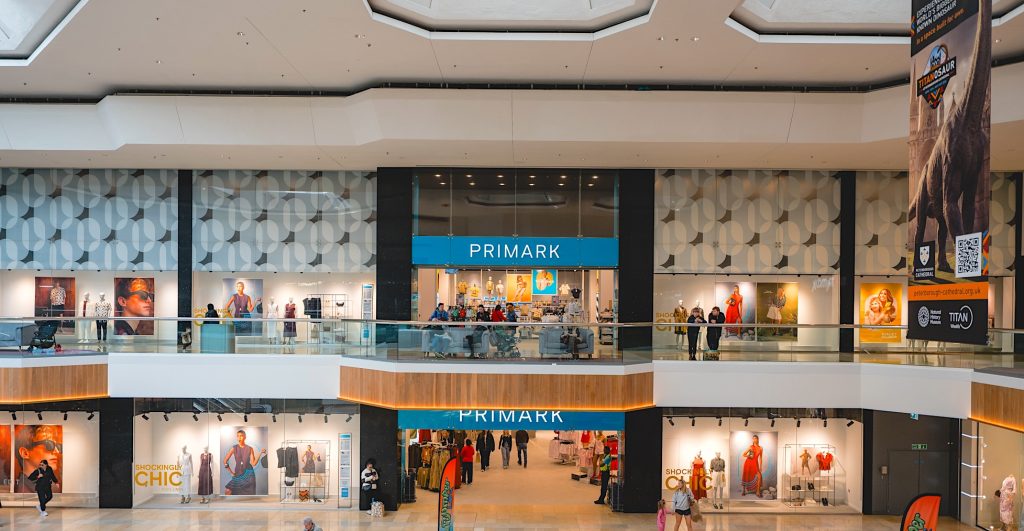
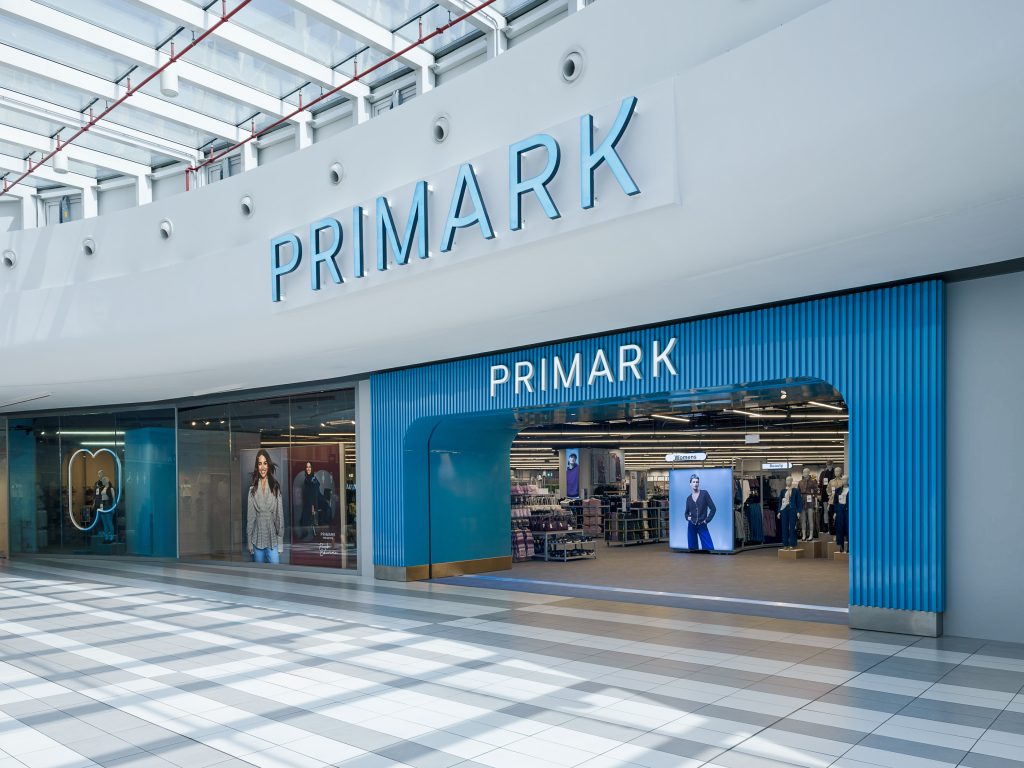
Irish fashion giant Primark, which launched in the US in 2015, also recently revealed it was pushing ahead with its expansion in the country, with its 46th US store set to arrive in September in Minnesota.
CEO of retail engagement platform Ecrebo David Buckingham says that the “obvious attraction” for Boden and Bershka to expand into the US is “the sheer size of the market”. However, he adds: “There’s a little more to it than that”.
“For a business such as Boden, which already has an established US customer base, a physical store gives it another way to deepen that relationship.
“For Bershka, which has already been selling online in the US, stores allow it to take what it has learned digitally and build a more visible physical presence,” he adds.
“There’s a customer acquisition argument here as well. Digital acquisition is expensive and competitive, while a well-located store can introduce the brand to people who might never have searched for it online.”
Co-head of consumer retail group at Soloman Partners Jeff Derman also highlights that the US “remains the largest consumer market in the world” and that “for brands with a differentiated proposition, the growth opportunity is hard to ignore”.
“Consumers are still spending, and stores remain one of the most powerful tools for building brand awareness and customer loyalty,” he says.
In fact, US retail sales are predicted to rise 3.5 per cent year over year to $5.3 trillion in 2026, according to projections from consultancy Bain & Company.
“Competition is incredibly intense”
Despite the continued lure of the US for retailers, launching physical stores in the region in 2026 doesn’t come without its challenges.
Buckingham highlights that “competition is incredibly intense” and that “consumers still have a huge amount of choice”.

“Then you have enormous incumbents such as Amazon. Trying to compete with that scale directly is extremely difficult, so retailers need a clear reason for a customer to choose them.”
Retail insights and strategy leader and executive strategy director at Landor, Michelle Fenstermaker, notes that “the biggest mistake” foreign retailers make when entering the US is “simply exporting their existing store templates or looking at direct US competitors for inspiration, which only leads to a sea of sameness”.
“Instead, retailers need to look ‘out-of-category,’ borrowing hospitality rituals, local storytelling, and sensory play from non-retail environments, and translate those emotional cores into their physical spaces,” she says.
Will US stores prove successful in 2026?
Despite facing a myriad of challenges, Fenstermaker believes the US remains an attractive market for retailers to launch new physical stores.
“2026 represents a historic inflection point for US physical retail,” she says.
“While ecommerce handles planned, transactional buying, physical stores have reclaimed their role as the ultimate expression of brand culture, community belonging, and discovery,” she argues.
“The US remains uniquely attractive because of its vast economic scale and diverse consumer micro-climates.”
Derman adds: “We’ve spent years hearing that brick-and-mortar retail is going away, yet consumers, particularly younger shoppers, continue to embrace stores.
“Physical retail remains a critical part of the customer journey. In the US, even mall traffic is on the rise again.”
With 79 per cent of US retail sales continuing to occur in physical stores, according to research automation platform BioBrain, will retailers opening new bricks-and-mortar US stores in 2026 ultimately be successful?
Buckingham thinks that it depends on the retailer.
“I would be relatively optimistic about brands entering with an existing customer base, a clear point of difference and a disciplined expansion plan,” he says.
“Boden and Bershka aren’t arriving completely blind. They already have information about how US consumers interact with their brands, and that gives them something to build from.
“What I would watch is whether the physical store becomes properly connected to the rest of the business.
“If the retailer can learn from every transaction and understand how store and online behaviour interact, the store has a much broader role than simply generating sales through its tills.”
Click here to sign up to Retail Gazette‘s free daily email newsletter