Sports Direct calls for investigation into Nike & Adidas

Mike Ashley Nike Adidas Sports Direct
Sport and Leisure
// Sports Direct calls for probe into Nike & Adidas’ dominance
// Adidas has blocked Sports Direct from selling some of its products
// Nike is reportedly planning to end supply agreements with independent retailers over the next 2 years

Sports Direct has called for an investigation on Adidas and Nike after complaining about the retailers’ dominance.

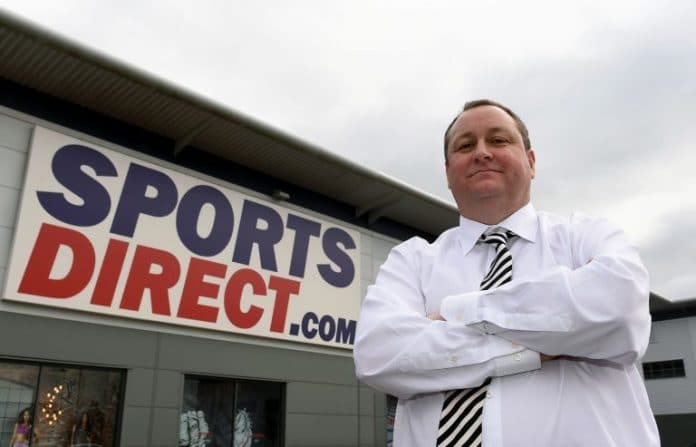
The sports goods retailer, owned by Mike Ashley, said the “must-have” retailers hold a bargaining position which allows them to control the supply and the price of their products.

Adidas has blocked Sports Direct from selling some of its products, Sports Direct said.


READ MORE:


“Sports Direct believes that the industry as a whole would benefit from a wide market review by the appropriate authorities in both the UK and Europe,” it said in a statement.

In 2013, Adidas withdrew replica Chelsea shirts from Sports Direct stores, which added to Ashley’s woes at the time.

Sports Direct said the dominance of Nike and Adidas allows them to “refuse to supply key products with no apparent justification”.

The news follows The Sunday Times report which revealed that Nike was planning to end its supply agreements with independent retailers over the next two years as it focuses efforts on its direct-to-consumer division.

Moreover, Sports Direct complained last month that JD Sports’ planned £90 million takeover of Footasylum could reduce Ashley’s access to the top brands.

Click here to sign up to Retail Gazette‘s free daily email newsletter

Sport and Leisure

3 Comments. Leave new

  • Mike Hunt 5 years ago

    Amazon have been trading illegally by constricting trade through unfair practise for years yet no organisation brings them to book.

    Reply
  • Annie Cudmore 6 years ago

    Welcome to the world of supply and demand, Mr Ashley! Its how business works!!

    Reply
  • david merricks 6 years ago

    All agreements between undertakings, decisions by associations of undertakings and concerted practices which may affect trade between member states and which have as their object or effect the prevention, restriction or distortion of competition within the common market.” are prohibited under EU law .

    This includes both horizontal (e.g. between retailers) and vertical (e.g. between retailers and suppliers) agreements, effectively outlawing the operation of cartels within the EU. Article 101 has been construed very widely to include both informal agreements (gentlemen’s agreements) and concerted practices where firms tend to raise or lower prices at the same time without having physically agreed to do so. However, a coincidental increase in prices will not in itself prove a concerted practice, there must also be evidence that the parties involved were aware that their behaviour may prejudice the normal operation of the competition within the common market. This latter subjective requirement of knowledge is not, in principle, necessary in respect of agreements. As far as agreements are concerned the mere anticompetitive effect is sufficient to make it illegal even if the parties were unaware of it or did not intend such effect to take place.

    Reply

Leave a Reply

Your email address will not be published. Required fields are marked *

Fill out this field
Fill out this field
Please enter a valid email address.

Sport and Leisure

Share:

Sports Direct calls for investigation into Nike & Adidas

Mike Ashley Nike Adidas Sports Direct

Social


SUBSCRIBE TO OUR DAILY NEWSLETTER

  • This field is for validation purposes and should be left unchanged.
// Sports Direct calls for probe into Nike & Adidas’ dominance
// Adidas has blocked Sports Direct from selling some of its products
// Nike is reportedly planning to end supply agreements with independent retailers over the next 2 years

Sports Direct has called for an investigation on Adidas and Nike after complaining about the retailers’ dominance.

The sports goods retailer, owned by Mike Ashley, said the “must-have” retailers hold a bargaining position which allows them to control the supply and the price of their products.

Adidas has blocked Sports Direct from selling some of its products, Sports Direct said.


READ MORE:


“Sports Direct believes that the industry as a whole would benefit from a wide market review by the appropriate authorities in both the UK and Europe,” it said in a statement.

In 2013, Adidas withdrew replica Chelsea shirts from Sports Direct stores, which added to Ashley’s woes at the time.

Sports Direct said the dominance of Nike and Adidas allows them to “refuse to supply key products with no apparent justification”.

The news follows The Sunday Times report which revealed that Nike was planning to end its supply agreements with independent retailers over the next two years as it focuses efforts on its direct-to-consumer division.

Moreover, Sports Direct complained last month that JD Sports’ planned £90 million takeover of Footasylum could reduce Ashley’s access to the top brands.

Click here to sign up to Retail Gazette‘s free daily email newsletter

Sport and Leisure

3 Comments. Leave new

  • Mike Hunt 5 years ago

    Amazon have been trading illegally by constricting trade through unfair practise for years yet no organisation brings them to book.

    Reply
  • Annie Cudmore 6 years ago

    Welcome to the world of supply and demand, Mr Ashley! Its how business works!!

    Reply
  • david merricks 6 years ago

    All agreements between undertakings, decisions by associations of undertakings and concerted practices which may affect trade between member states and which have as their object or effect the prevention, restriction or distortion of competition within the common market.” are prohibited under EU law .

    This includes both horizontal (e.g. between retailers) and vertical (e.g. between retailers and suppliers) agreements, effectively outlawing the operation of cartels within the EU. Article 101 has been construed very widely to include both informal agreements (gentlemen’s agreements) and concerted practices where firms tend to raise or lower prices at the same time without having physically agreed to do so. However, a coincidental increase in prices will not in itself prove a concerted practice, there must also be evidence that the parties involved were aware that their behaviour may prejudice the normal operation of the competition within the common market. This latter subjective requirement of knowledge is not, in principle, necessary in respect of agreements. As far as agreements are concerned the mere anticompetitive effect is sufficient to make it illegal even if the parties were unaware of it or did not intend such effect to take place.

    Reply

Leave a Reply

Your email address will not be published. Required fields are marked *

Fill out this field
Fill out this field
Please enter a valid email address.

RELATED STORIES

Latest Feature


Menu


Close popup

Please enter the verification code sent to your email: