

The wet start to summer in the UK is likely to be at the forefront of trading updates once again this year as retailers grapple with the unseasonable weather and its impact on sales.
Just last week, one of the high street’s top performers Primark revealed that UK sales are set to fall in its second half as poor weather led to lower footfall in its stores.
Total UK sales will dip around 0.5% and like-for-likes will decrease 2% in its half ending 14 September, as the weather hit its seasonal lines in womenswear and footwear.
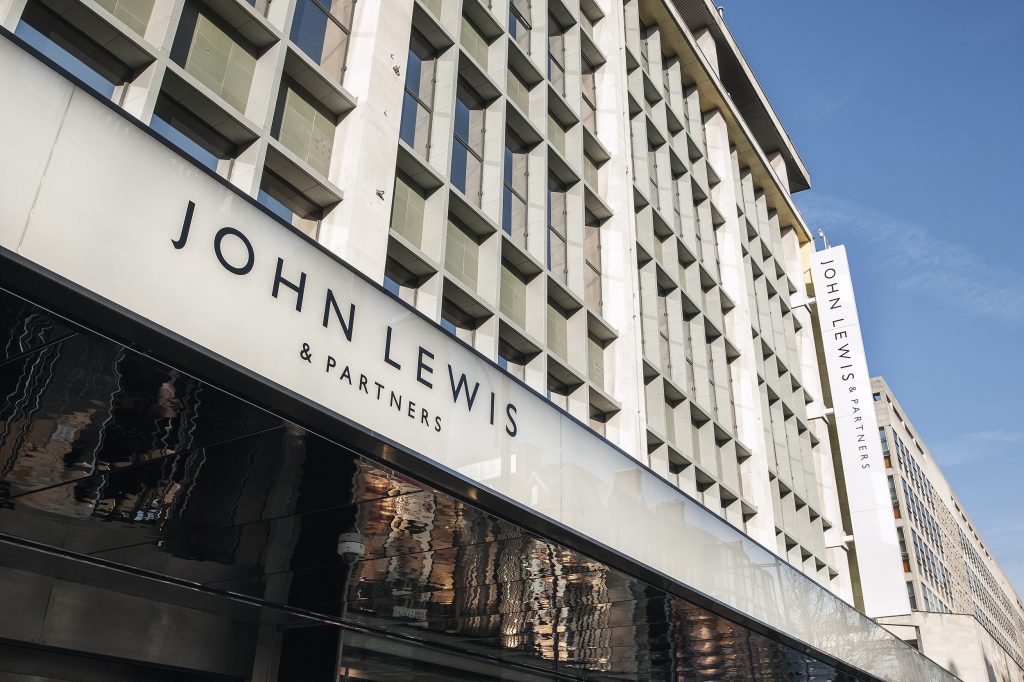
It is not alone. Earliler this summer, John Lewis posted on X – formerly Twitter – that “nothing says British summer quite like the fact cardigans are among our top-selling products…in July”.
Retailers are making changes to minimise the impact of increasingly unseasonal weather patterns, from bringing in products later to introducing more transitional collections between seasons.
Retail Gazette explores whether the traditional sales seasons are dead – and what retailers are doing to overcome increasingly unseasonable weather.
A washout summer
It’s not just cardigans that are trending at John Lewis. Sales of linen clothing and knitwear for womenswear are both up by 20% compared to the same time last year, while macs are up 28%. In menswear, swim shorts are up by 15% and coats and jackets up by 16% on last year.
The retailer’s head of buying for own brand fashion Claire Miles says that “customers are equally prepared come rain or shine” this year.
“We’re well-versed in making sure our in-store clothing selections are reflective of a temperamental British summer, and this year is no different,” she adds.
Nothing says British summer quite like the fact cardigans are among our top-selling products… in July 😟🌧
— John Lewis & Partners (@JohnLewisRetail) July 17, 2024
The wet cooler weather at the start of the summer season has also played havoc at JD Sports, with chief executive Régis Schultz explaining “a late summer is never good” as the sports giant took a slight hit to its apparel sales.
The poor start to summer meant the company was forced to sell its seasonal items at discounted prices rather than at full price.
It’s a similar case at H&M, which reported its sales are expected to fall 6% in June due to “unstable weather” causing a slow start to the quarter.
It’s not just fashion retailers that are impacted
Homewares giant Dunelm said it experienced softer sales of its outdoor furniture due to the extended period of cooler weather.
Its the same case at The Range and Wilko, with owner Chris Dawson complaining about the impact of the wet weather on its seasonal ranges.
Dawson says: “It never stopped raining for about four months. You’ll find when all the numbers come out from anybody who’s selling season here, it won’t be so good.”
However, he quickly adds that the recent hot spell has helped to boost its seasonal sales.

Weathering the storm
Despite the increasingly later summers, the traditional selling cycle means that spring summer products are usually introduced in stores as early as March.
Superdry CEO and founder Julian Dunkerton says the summer season’s peak remains as June through to August, “but securing the sales of the summer ranges through April and May has been slightly more challenging. There has to be a clear reason to buy so early in the season”.
“We don’t see the big ‘seasonal switch’ being as clear cut for the consumer as it once was,” he explains.
Dunkerton shares that next year’s spring summer collection “will see a different approach for Superdry, dropping styles more regularly to deliver new and interesting pieces throughout the season”.

Meanwhile, Neale says Mountain Warehouse is prepared for whatever the weather: “We carry quite a lot of stock so we can pivot in one direction or another”.
He explains the business can change its promotional stance and what’s at the front of the store almost weekly depending on what the weather forecast looks like.
“We encourage the guys in shops to take a look out of the window and move the umbrellas to the front or to the back depending on what it looks like,” he says.
Neale also describes the surfwear brand Animal that Mountain Warehouse bought three years ago was a “weather hedge” for it.
“It’s a bit different from Mountain Warehouse. It’s a nice weather hedge for us – Mountain Warehouse keeps you warm and dry and Animal is great for when it’s sunny.”
Neale shares that the shoulder seasons “are definitely more challenging for us”.
“A lot of our business is needs based,” he notes. “People come in saying I need a warm jacket or I need a ski jacket, so the shoulder seasons are a bit more tricky.
“If it’s not really cold, it’s too late to be selling summer stuff but it’s too early to be selling heavy winter stuff.
“We do quite a lot of work on transitional products like gilets, and more fleece to sell in September, which along with March is generally a more tricky month for us,” adds Neale.

Freemans is safeguarding itself against the shifting consumer mindset by launching its new ‘The Icons’ campaign and collection, which will run for two months to bridge the gap at the end of spring/summer and the start of autumn/winter.
The online department store’s chief customer officer Richard Cristofoli says: “The end of season sale followed by the first drop of autumn/winter in September, which sees things like coats and jumpers in window displays and online landing pages no longer aligns to what the customer is wanting.
“Through the launch of The Icons, we have deliberately tried to bridge this inter seasonal gap, with specially curated iconic products to entice and serve what we know is a changing customer need.”
Some retailers have decided to push back the introduction of seasonal products.
Iceland boss Walker told The Guardian last month that it had decided to push back its seasonal shift, when it increases the range of pies, pastries and other cool-weather favourites available in store, by two weeks from its historic norm to mid-September.
“We have decided to push it back because the UK is getting wetter, cooler summers and warmer Septembers,” he explained. “Last summer was a washout and it makes it hard with seasonal plans.”
This year’s “terrible weather” in early summer and erratic conditions in July had made it difficult to predict demand, he added.
Other retailers are opting to stock less seasonal product. The Range and Wilko boss Dawson explains: “We’re being very prudent with what we order, and we’re putting other products in the vulnerable areas.”
Seasons are still important for retailers but the unpredicatable weather means that businesses can’t afford to go all-in on seasonal product. Buffers need to be built in for retailers to weather this storm.
Click here to sign up to Retail Gazette‘s free daily email newsletter