
Shein, the global fast-fashion giant, has announced a worldwide ban on the sale of sex dolls through its marketplace after being accused of hosting products with “a childlike appearance.”
France’s consumer protection agency, the Directorate General for Competition, Consumer Affairs and Fraud Control (DGCCRF), raised the alarm over the weekend, stating that the dolls’ presentation and categorisation left “little doubt as to the child pornography nature of the content.”
On Monday, Shein responded to the outcry by permanently disabling “all seller accounts linked to illegal or non-compliant sex-doll products” while also removing the entire adult products section from its site as a temporary measure.
The company said every listing and image associated with sex dolls had been deleted and that a comprehensive review of its marketplace operations was under way.
“The company has also strengthened its keyword blacklist to further prevent attempted circumvention of product listing restrictions by sellers,” Shein added in a statement.
Donald Tang, Shein’s executive chairman, called the issue a matter of principle. “The fight against child exploitation is non-negotiable for Shein,” he said. “These were marketplace listings from third-party sellers – but I take this personally. We are tracing the source and will take swift, decisive action against those responsible.”
The DGCCRF first flagged the listings on Saturday, prompting an immediate reaction from French officials. Finance Minister Bruno Le Maire warned that Shein could be banned from operating in France if such products continued to appear on its platform.
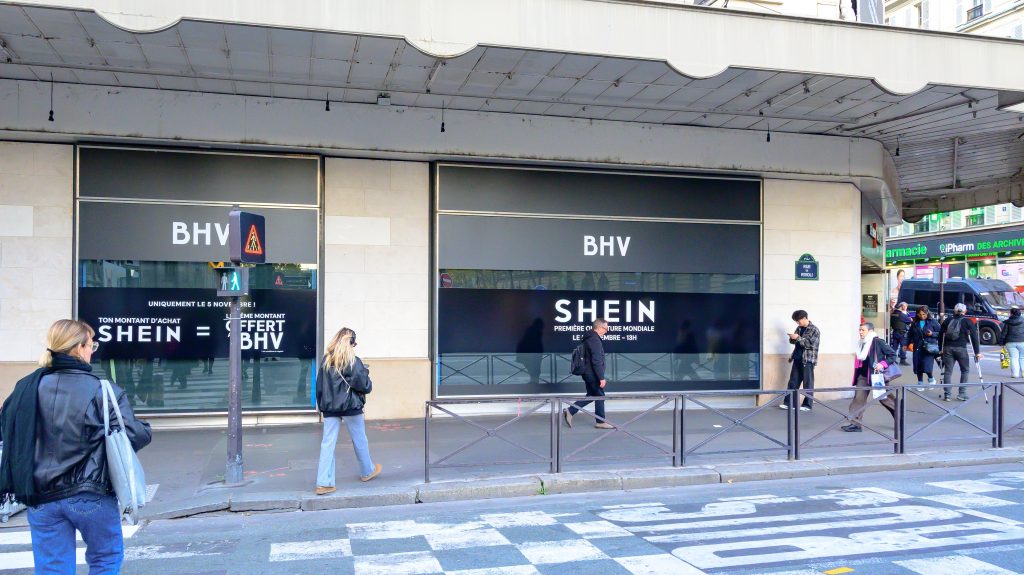
The warning comes just days before the fast-fashion giant is scheduled to open its first permanent store in Paris, located opposite City Hall in the BHV department store building.
Ahead of the shop’s launch, protesters were seen gathering outside the venue, calling attention to the controversy.
Shein said it acted as soon as it became aware of the problem, removing the items and opening an internal investigation to determine how the listings were able to appear online.
The Chinese-founded, Singapore-based fast-fashion company has previously faced criticism over environmental concerns and labour practices within its supply chain, with this latest controversy adding to the scrutiny surrounding one of the world’s fastest-growing retail platforms.
Click here to sign up to Retail Gazette‘s free daily email newsletter