
Frasers Group takes stake in Puma as Mike Ashley circles struggling sportswear giant

Puma to relocate London flagship store to Oxford Street
News

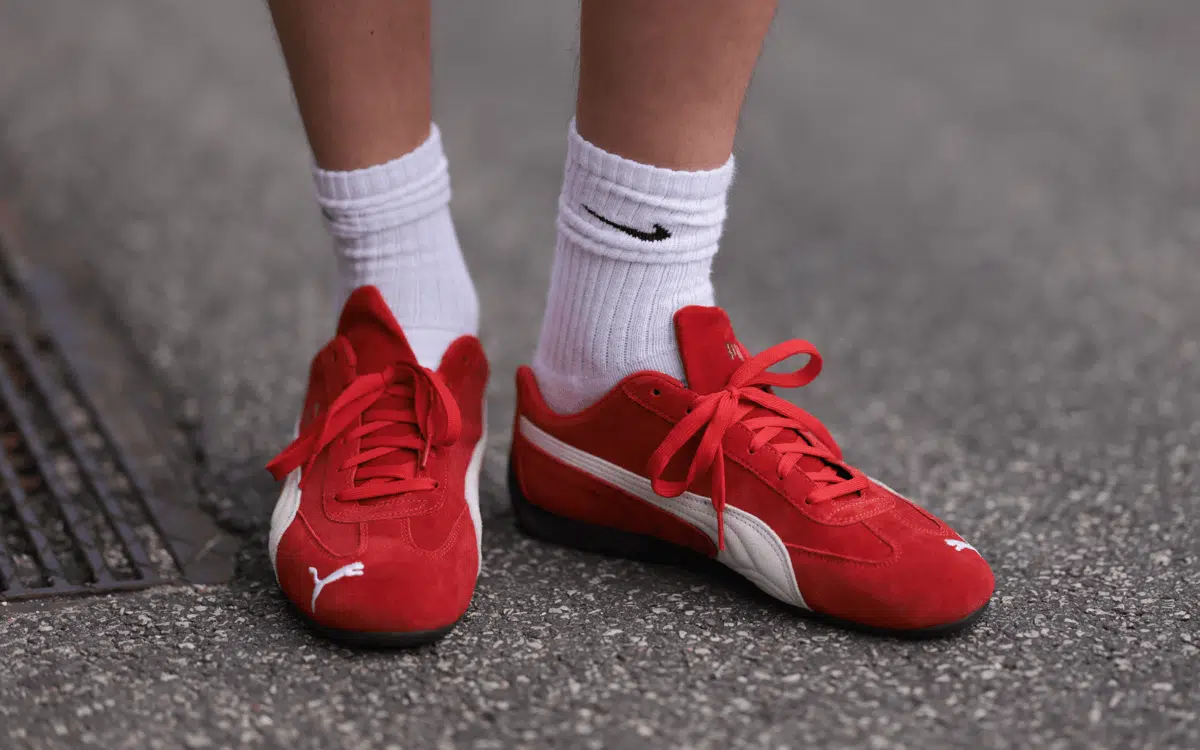
Mike Ashley’s Frasers Group has taken a 5.77 per cent stake in sportswear giant Puma, positioning the retail billionaire alongside the brand’s largest shareholder as the German company attempts to recover from a difficult year.

The investment, disclosed in a stock exchange filing on Thursday, was largely built through derivatives, with Frasers entering a series of put option contracts linked to Puma shares.

The move means Frasers now sits behind only Anta Sports in Puma’s shareholder structure. The Chinese sportswear group earlier this year agreed to buy a 29 per cent stake in Puma from the Pinault family’s investment vehicle, linked to Kering, in a €1.5bn deal.

Puma’s share price rose more than three per cent following the disclosure.

Strategic leverage or opportunistic investment?

The stake is likely to raise questions across the retail sector given Ashley’s long history of taking minority stakes in companies before attempting to influence strategy.

Through Frasers Group (the retail empire that includes Sports Direct) Ashley has repeatedly used shareholdings to push suppliers and partners to adopt his retail model or deepen commercial relationships.

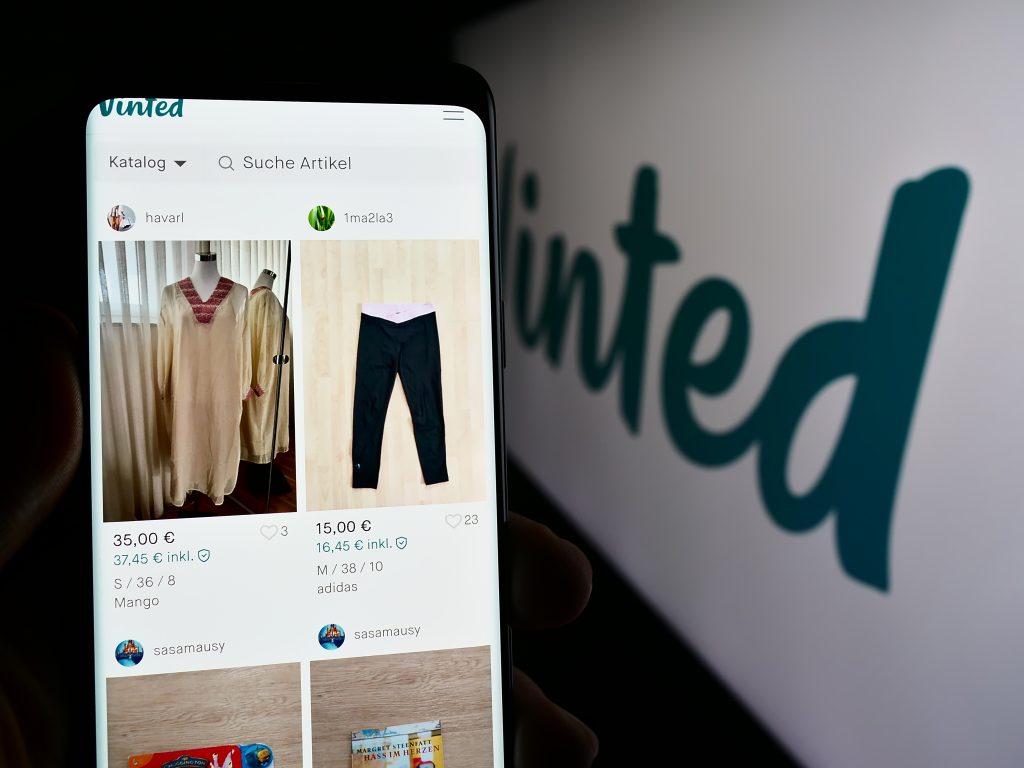
Puma is already a key supplier to Sports Direct, which remains the largest contributor to Frasers’ profits.

Frasers has previously used similar tactics elsewhere in the fashion industry. The group holds more than 25 per cent of the voting rights in Hugo Boss and successfully secured a board seat last year for its chief executive, Michael Murray.

The company also holds significant stakes in online fashion retailers Asos and Boohoo, as well as electrical goods retailer AO World.

Puma in the middle of a reset

The investment comes at a challenging moment for Puma.

The German brand posted a net loss of €645m in 2025 alongside a 13 per cent fall in annual sales, one of the most difficult periods in its recent history. The company has warned that 2026 will be a “transition year” as it cuts costs and simplifies its product range in an effort to restore profitability.

Puma shares have fallen roughly a fifth over the past year amid profit warnings, concerns over US tariffs and ongoing weakness in the Chinese market.

Chief executive Arthur Hoeld, who took over the role last summer, has already begun implementing what the company calls a “strategic reset”. The strategy includes reducing discounting, exiting some wholesale partnerships and streamlining parts of the business through new licensing arrangements.

Ashley’s playbook

Ashley has built a reputation for targeting distressed or undervalued retail assets.

Over the past decade he has accumulated stakes in a string of fashion and retail companies, sometimes attempting to push for operational changes or influence leadership.

Not all of those moves have been successful. Frasers withdrew a £111mn takeover approach for luxury brand Mulberry in 2024 after the bid was rejected by its majority shareholder. Ashley also attempted to push for leadership changes at Boohoo but was ultimately unsuccessful.

Elsewhere, Frasers acquired online luxury platform Matches in late 2023 from Apax Partners, only for the business to collapse into administration months later following mounting losses.

Whether the Puma investment represents a purely financial bet or the opening move in a longer strategic play remains unclear.

However, with Puma navigating a difficult turnaround and Frasers known for leveraging minority stakes to influence suppliers,Ashley’s arrival on the shareholder register is unlikely to go unnoticed within the global sportswear market.

Click here to sign up to Retail Gazette‘s free daily email newsletter

News

Leave a Reply

Your email address will not be published. Required fields are marked *

Fill out this field
Fill out this field
Please enter a valid email address.

News

Share:

Frasers Group takes stake in Puma as Mike Ashley circles struggling sportswear giant

Puma to relocate London flagship store to Oxford Street

Mike Ashley’s Frasers Group has taken a 5.77 per cent stake in sportswear giant Puma, positioning the retail billionaire alongside the brand’s largest shareholder as the German company attempts to recover from a difficult year.

The investment, disclosed in a stock exchange filing on Thursday, was largely built through derivatives, with Frasers entering a series of put option contracts linked to Puma shares.

The move means Frasers now sits behind only Anta Sports in Puma’s shareholder structure. The Chinese sportswear group earlier this year agreed to buy a 29 per cent stake in Puma from the Pinault family’s investment vehicle, linked to Kering, in a €1.5bn deal.

Puma’s share price rose more than three per cent following the disclosure.

Strategic leverage or opportunistic investment?

The stake is likely to raise questions across the retail sector given Ashley’s long history of taking minority stakes in companies before attempting to influence strategy.

Through Frasers Group (the retail empire that includes Sports Direct) Ashley has repeatedly used shareholdings to push suppliers and partners to adopt his retail model or deepen commercial relationships.

Puma is already a key supplier to Sports Direct, which remains the largest contributor to Frasers’ profits.

Frasers has previously used similar tactics elsewhere in the fashion industry. The group holds more than 25 per cent of the voting rights in Hugo Boss and successfully secured a board seat last year for its chief executive, Michael Murray.

The company also holds significant stakes in online fashion retailers Asos and Boohoo, as well as electrical goods retailer AO World.

Puma in the middle of a reset

The investment comes at a challenging moment for Puma.

The German brand posted a net loss of €645m in 2025 alongside a 13 per cent fall in annual sales, one of the most difficult periods in its recent history. The company has warned that 2026 will be a “transition year” as it cuts costs and simplifies its product range in an effort to restore profitability.

Puma shares have fallen roughly a fifth over the past year amid profit warnings, concerns over US tariffs and ongoing weakness in the Chinese market.

Chief executive Arthur Hoeld, who took over the role last summer, has already begun implementing what the company calls a “strategic reset”. The strategy includes reducing discounting, exiting some wholesale partnerships and streamlining parts of the business through new licensing arrangements.

Ashley’s playbook

Ashley has built a reputation for targeting distressed or undervalued retail assets.

Over the past decade he has accumulated stakes in a string of fashion and retail companies, sometimes attempting to push for operational changes or influence leadership.

Not all of those moves have been successful. Frasers withdrew a £111mn takeover approach for luxury brand Mulberry in 2024 after the bid was rejected by its majority shareholder. Ashley also attempted to push for leadership changes at Boohoo but was ultimately unsuccessful.

Elsewhere, Frasers acquired online luxury platform Matches in late 2023 from Apax Partners, only for the business to collapse into administration months later following mounting losses.

Whether the Puma investment represents a purely financial bet or the opening move in a longer strategic play remains unclear.

However, with Puma navigating a difficult turnaround and Frasers known for leveraging minority stakes to influence suppliers,Ashley’s arrival on the shareholder register is unlikely to go unnoticed within the global sportswear market.

Click here to sign up to Retail Gazette‘s free daily email newsletter

Social


SUBSCRIBE TO OUR DAILY NEWSLETTER

  • This field is for validation purposes and should be left unchanged.
News

Leave a Reply

Your email address will not be published. Required fields are marked *

Fill out this field
Fill out this field
Please enter a valid email address.

RELATED STORIES

Latest Feature


Menu


Close popup

Please enter the verification code sent to your email: