

Co-op is facing criticism over its use of autonomous grocery delivery robots, as campaigners warn the technology risks making pavements less safe and accessible for pedestrians.
Living Streets, the walking charity formerly known as the Pedestrians’ Association, has written to Co-op interim chief executive Kate Allum claiming the retailer’s robot delivery partnership with Starship Technologies is creating risks for older and disabled people.
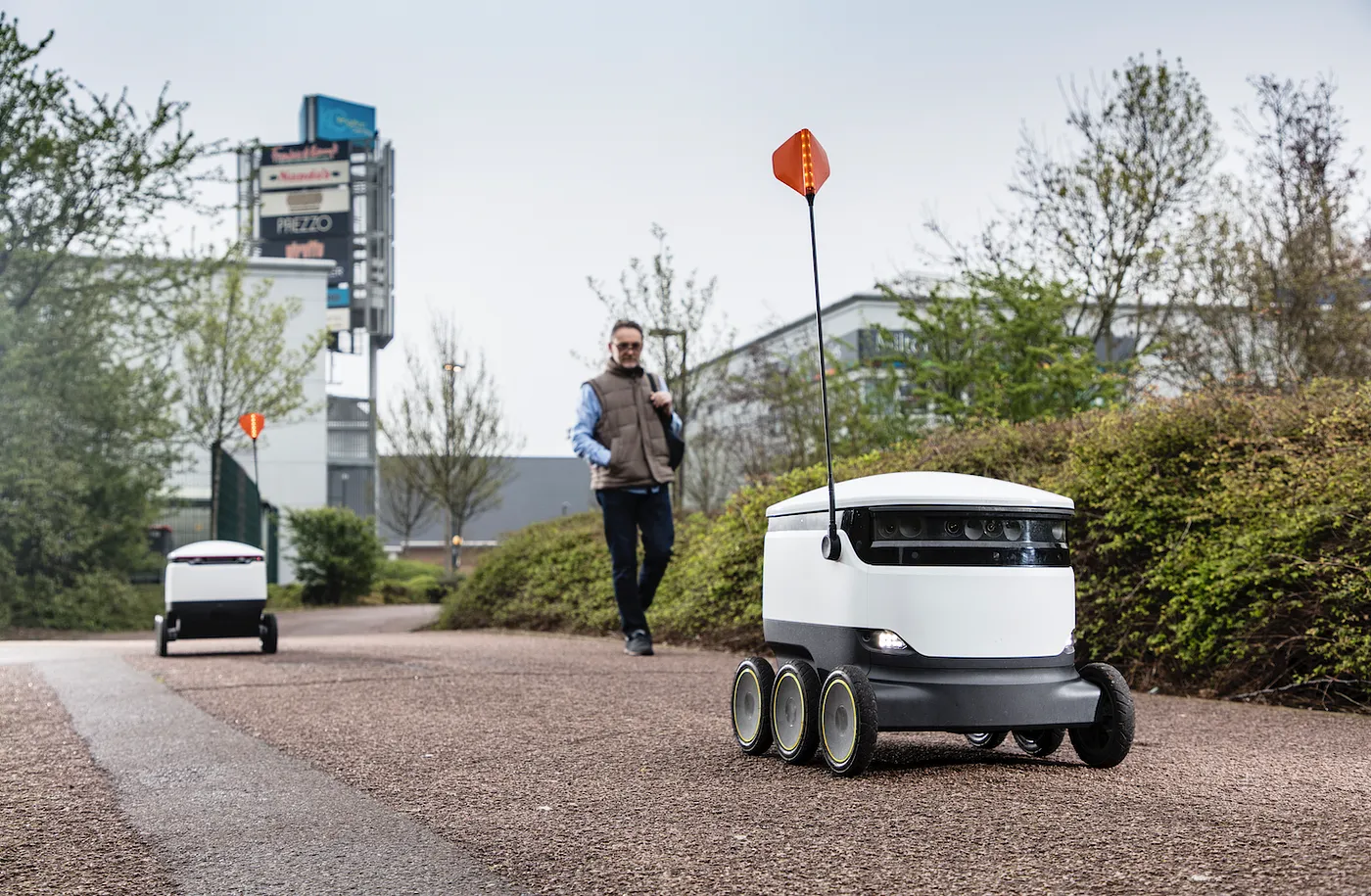
The small six-wheeled robots are already used to deliver groceries from selected Co-op stores in locations including Leeds, Milton Keynes and Northampton. Orders are placed through Starship Technologies’ own app rather than directly through Co-op.
According to The Sunday Times, Living Streets chief executive Catherine Woodhead said delivery robots “present a danger to pedestrians” and argued that pavements should not be treated as logistics routes.
The charity said it had heard from people across Britain who felt the robots were limiting accessibility, particularly for older people who rely on walking to local shops as part of their daily routine.
The backlash comes as ministers consider whether to update the legal framework for autonomous delivery robots, which campaigners argue currently operate in a regulatory grey area.
The government is understood to be exploring whether the machines could be classified alongside e-scooters and other micro-mobility vehicles.
Living Streets has pointed to examples overseas where delivery robots have faced restrictions or bans, including Toronto and parts of Chicago, following concerns over pedestrian collisions and injuries.
Starship Technologies, which was founded in Estonia in 2014 by Skype co-founders Janus Friis and Ahti Heinla, has been rolling out its robots in parts of the UK since before the pandemic.
The company has previously said that clearer regulation would allow it to expand its UK fleet and support further investment in the autonomous delivery sector.
A report commissioned by Starship last year claimed wider use of delivery robots across Britain could boost household grocery spending by around £125m and save the equivalent of about 300,000 working hours.
Click here to sign up to Retail Gazette‘s free daily email newsletter