Six reasons your tax bill is bigger than expected this January

AO World CEO hits out at retailers paying out dividends after receiving taxpayer aid
CommentFeature ArticlesNews

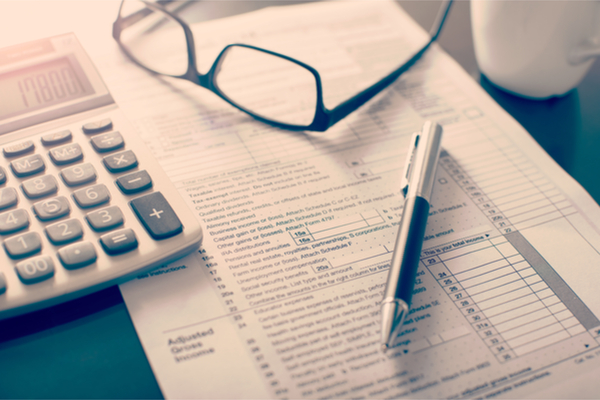
For retail owners across the country, this month sees the deadline for filing their 2024-2025 tax return.

And for many, January comes with a familiar shock: you check your Self Assessment calculation and think, ‘How can my bill be that high?’, writes Lee Murphy, managing director of The Accountancy Partnership.

In a lot of cases, a bigger bill doesn’t mean something’s gone wrong, it’s often down to how Self Assessment payments are scheduled.

For some taxpayers, the January deadline can include the amount due for this tax deadline,  plus an advance payment towards next year’s bill – known as payments on account.

Below are some of the most common reasons a January tax bill can look bigger than expected – and what to check before you pay.


More than one payment landing at once

People often think they’re paying for one year, but January can include more than that, you could be paying what you owe for this tax return, and an upfront payment towards your next bill. That’s why the total can look higher than expected.

Your income increased – and that changes the calculation

If you’ve had a stronger year than last year, your tax will naturally be higher and it can also affect what you’re asked to pay going forward.

Allowances didn’t apply as you expected

Small changes can have a bigger impact than people realise. It’s worth double-checking your personal allowance position and whether anything has reduced it.

Allowable expenses or reliefs were missed

This is really common when people are rushing. If your records weren’t complete, you may have missed legitimate expenses and that can inflate the bill.

Extra income was overlooked

Side work, interest, dividends, it’s easy to forget smaller income streams until it’s time to add them to your tax return. Missing them can throw off the total and lead to surprises.

Things weren’t reported correctly

Double-check that the information reported to HMRC by your employer (or contractor if you’re paying CIS tax) is accurate, and reflects what you have on your payslips – and what arrived into your bank account.

And remember…

The best thing you can do before you pay is slow down for ten minutes and understand what the payment actually includes. Once you know what you’re paying for, you can plan instead of panicking.

Click here to sign up to Retail Gazette‘s free daily email newsletter

CommentFeature ArticlesNews

Leave a Reply

Your email address will not be published. Required fields are marked *

Fill out this field
Fill out this field
Please enter a valid email address.

CommentFeature ArticlesNews

Share:

Six reasons your tax bill is bigger than expected this January

AO World CEO hits out at retailers paying out dividends after receiving taxpayer aid

Social


SUBSCRIBE TO OUR DAILY NEWSLETTER

  • This field is for validation purposes and should be left unchanged.

For retail owners across the country, this month sees the deadline for filing their 2024-2025 tax return.

And for many, January comes with a familiar shock: you check your Self Assessment calculation and think, ‘How can my bill be that high?’, writes Lee Murphy, managing director of The Accountancy Partnership.

In a lot of cases, a bigger bill doesn’t mean something’s gone wrong, it’s often down to how Self Assessment payments are scheduled.

For some taxpayers, the January deadline can include the amount due for this tax deadline,  plus an advance payment towards next year’s bill – known as payments on account.

Below are some of the most common reasons a January tax bill can look bigger than expected – and what to check before you pay.


More than one payment landing at once

People often think they’re paying for one year, but January can include more than that, you could be paying what you owe for this tax return, and an upfront payment towards your next bill. That’s why the total can look higher than expected.

Your income increased – and that changes the calculation

If you’ve had a stronger year than last year, your tax will naturally be higher and it can also affect what you’re asked to pay going forward.

Allowances didn’t apply as you expected

Small changes can have a bigger impact than people realise. It’s worth double-checking your personal allowance position and whether anything has reduced it.

Allowable expenses or reliefs were missed

This is really common when people are rushing. If your records weren’t complete, you may have missed legitimate expenses and that can inflate the bill.

Extra income was overlooked

Side work, interest, dividends, it’s easy to forget smaller income streams until it’s time to add them to your tax return. Missing them can throw off the total and lead to surprises.

Things weren’t reported correctly

Double-check that the information reported to HMRC by your employer (or contractor if you’re paying CIS tax) is accurate, and reflects what you have on your payslips – and what arrived into your bank account.

And remember…

The best thing you can do before you pay is slow down for ten minutes and understand what the payment actually includes. Once you know what you’re paying for, you can plan instead of panicking.

Click here to sign up to Retail Gazette‘s free daily email newsletter

CommentFeature ArticlesNews

Leave a Reply

Your email address will not be published. Required fields are marked *

Fill out this field
Fill out this field
Please enter a valid email address.

RELATED STORIES

Latest Feature


Menu


Close popup

Please enter the verification code sent to your email: