What’s fuelling UK shopping centres’ £1.6bn comeback?

BRC LDC covid-19 pandemic lockdown reopening
Feature ArticlesIn-Store

Britain’s biggest shopping centres are back on investors’ shopping lists, with £1.6 billion of deals this year.

Six years after intu collapsed, its former shopping centres are attracting buyers again, as investors return to a sector they spent much of the past decade avoiding.

UK shopping centre transactions have reached £1.6 billion so far this year, according to CBRE figures, with the property adviser expecting investment to exceed £2 billion by the end of 2026.

That would make it the busiest year for shopping centre deals in more than a decade.

The renewed appetite has been particularly evident in the sale of some of intu’s former assets.

Landsec agreed a £516 million deal for Gateshead’s Metrocentre earlier this month, following Hammerson’s £218 million acquisition of a 50 per cent stake in Manchester Arndale in July and Redical’s £290 million purchase of Merry Hill in March.

Together, the three transactions are worth more than £1 billion.

The deals would have been difficult to imagine when intu entered administration in 2020, after years of declining property values, mounting debt and the loss of major retail tenants.

But investors are now looking again at the country’s largest shopping destinations, encouraged by improving rental income and the growing number of retailers concentrating their investment on flagship locations.

Research from Knight Frank showed shopping centre investment jumped 95 per cent to £870 million in the first half of 2026, making it the only retail property category to record an increase in transaction volumes. Investment across the wider retail property market fell 17 per cent over the same period.

The property consultancy has also challenged the assumption that intu’s collapse signalled the end of the regional shopping centre, arguing that the company’s failure said more about its finances than the long-term prospects of its assets.

Digital channels are awash with retail brands screaming for attention from every corner, writes Chris Rhodes, founder and creative director at creative production agency Experience.

Bigger stores are changing the economics

Much of the renewed confidence comes from a change in how retailers are using their physical estates.

Rather than steadily reducing their store footprints in favour of ecommerce, major chains are pouring money into larger branches in locations where they can reach the greatest number of customers.

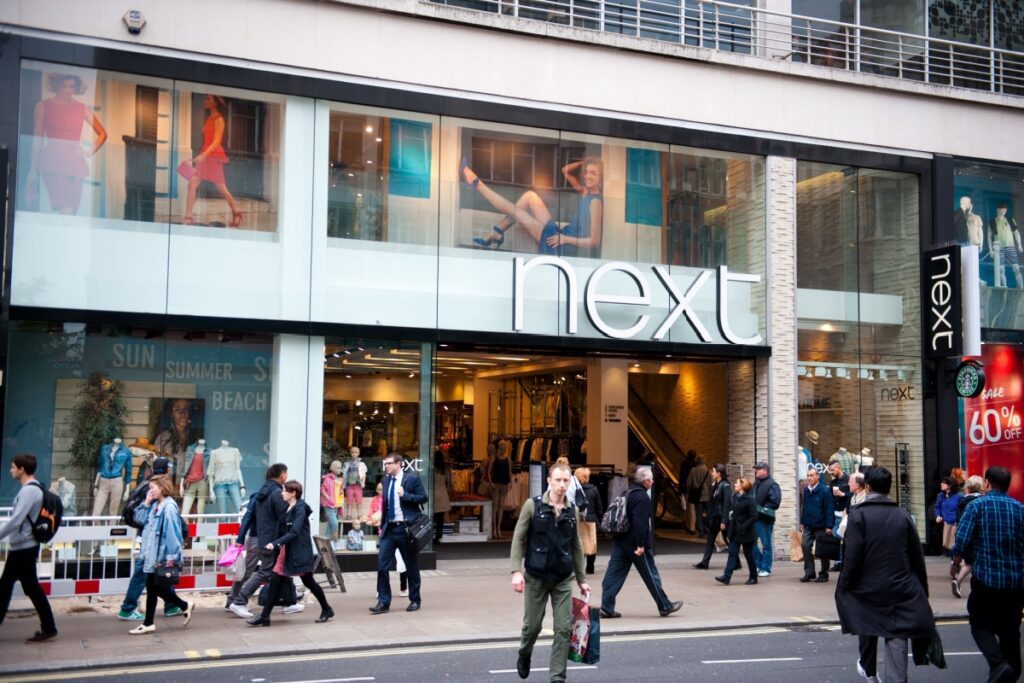
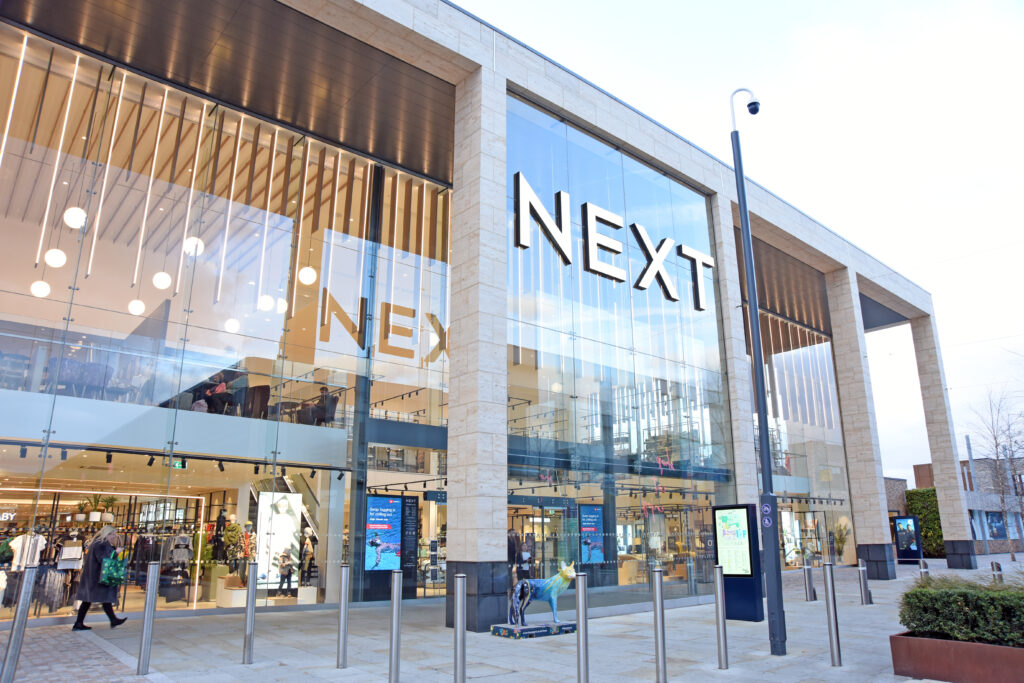
Next’s new 132,000 sq ft Bluewater flagship, which opened in July in the former House of Fraser unit, is one example. The store is almost three times the size of its previous branch at the Kent shopping centre.

New Look has also invested in a new 11,000 sq ft concept store at Metrocentre, combining its fashion offer with click-and-collect, online returns and digital browsing.

The shift is helping landlords fill the large units vacated by collapsed department store chains, while allowing retailers to bring more of their ranges and online services under one roof.

Landsec said sales across its major retail destinations had increased 26 per cent since March 2022, compared with growth of just one per cent across the wider UK market.

The landlord has also reported rental uplifts of 15 per cent on relettings and renewals, while occupancy across its major retail portfolio has reached a two-decade high.

Hammerson is seeing similar trends. Its flagship destinations recorded three per cent footfall growth in the first half of the year, alongside a two per cent rise in like-for-like sales.

The business also secured £18.5 million in headline rent from leasing activity during the period, 52 per cent above the rent previously passing on those units.

But the recovery is far from universal

The investment figures tell a much stronger story than Britain’s overall shopping centre footfall.

British Retail Consortium data showed visits to shopping centres fell 3.5 per cent year on year in September, a steeper decline than the three per cent drop recorded across high streets.

Online shopping is hardly disappearing either. According to the Office for National Statistics, ecommerce accounted for 28.8 per cent of retail spending in August.

Instead, the market is becoming increasingly polarised.

Large regional centres with strong catchments, established retailers and the ability to accommodate bigger stores are attracting investment, while weaker locations face a tougher battle for tenants and shoppers.

There is also little prospect of new shopping centres being built to compete with the most successful existing destinations.

Knight Frank has highlighted the lack of new large-scale retail development as an important factor supporting established malls, with construction costs making new schemes difficult to justify.

That combination of limited supply and demand for prime space is giving investors renewed confidence in the prospects for rental growth.

Landsec’s decision to spend a further £95 million increasing its stake in Bluewater to 74 per cent this month underlined that conviction. The deal implied a valuation significantly above the level at which the landlord increased its holding two years earlier.

Yet even after that improvement, Bluewater remains worth less than half its £2.2 billion peak valuation in 2014.

For the strongest shopping centres, the years of falling values may finally be over. For the rest of the market, the question is whether the return of investment to the biggest destinations will leave even less demand for everywhere else.

Click here to sign up to Retail Gazette‘s free daily email newsletter

Feature ArticlesIn-Store

Leave a Reply

Your email address will not be published. Required fields are marked *

Fill out this field
Fill out this field
Please enter a valid email address.

Feature ArticlesIn-Store

Share:

What’s fuelling UK shopping centres’ £1.6bn comeback?

BRC LDC covid-19 pandemic lockdown reopening

Britain’s biggest shopping centres are back on investors’ shopping lists, with £1.6 billion of deals this year.

Six years after intu collapsed, its former shopping centres are attracting buyers again, as investors return to a sector they spent much of the past decade avoiding.

UK shopping centre transactions have reached £1.6 billion so far this year, according to CBRE figures, with the property adviser expecting investment to exceed £2 billion by the end of 2026.

That would make it the busiest year for shopping centre deals in more than a decade.

The renewed appetite has been particularly evident in the sale of some of intu’s former assets.

Landsec agreed a £516 million deal for Gateshead’s Metrocentre earlier this month, following Hammerson’s £218 million acquisition of a 50 per cent stake in Manchester Arndale in July and Redical’s £290 million purchase of Merry Hill in March.

Together, the three transactions are worth more than £1 billion.

The deals would have been difficult to imagine when intu entered administration in 2020, after years of declining property values, mounting debt and the loss of major retail tenants.

But investors are now looking again at the country’s largest shopping destinations, encouraged by improving rental income and the growing number of retailers concentrating their investment on flagship locations.

Research from Knight Frank showed shopping centre investment jumped 95 per cent to £870 million in the first half of 2026, making it the only retail property category to record an increase in transaction volumes. Investment across the wider retail property market fell 17 per cent over the same period.

The property consultancy has also challenged the assumption that intu’s collapse signalled the end of the regional shopping centre, arguing that the company’s failure said more about its finances than the long-term prospects of its assets.

Digital channels are awash with retail brands screaming for attention from every corner, writes Chris Rhodes, founder and creative director at creative production agency Experience.

Bigger stores are changing the economics

Much of the renewed confidence comes from a change in how retailers are using their physical estates.

Rather than steadily reducing their store footprints in favour of ecommerce, major chains are pouring money into larger branches in locations where they can reach the greatest number of customers.

Next’s new 132,000 sq ft Bluewater flagship, which opened in July in the former House of Fraser unit, is one example. The store is almost three times the size of its previous branch at the Kent shopping centre.

New Look has also invested in a new 11,000 sq ft concept store at Metrocentre, combining its fashion offer with click-and-collect, online returns and digital browsing.

The shift is helping landlords fill the large units vacated by collapsed department store chains, while allowing retailers to bring more of their ranges and online services under one roof.

Landsec said sales across its major retail destinations had increased 26 per cent since March 2022, compared with growth of just one per cent across the wider UK market.

The landlord has also reported rental uplifts of 15 per cent on relettings and renewals, while occupancy across its major retail portfolio has reached a two-decade high.

Hammerson is seeing similar trends. Its flagship destinations recorded three per cent footfall growth in the first half of the year, alongside a two per cent rise in like-for-like sales.

The business also secured £18.5 million in headline rent from leasing activity during the period, 52 per cent above the rent previously passing on those units.

But the recovery is far from universal

The investment figures tell a much stronger story than Britain’s overall shopping centre footfall.

British Retail Consortium data showed visits to shopping centres fell 3.5 per cent year on year in September, a steeper decline than the three per cent drop recorded across high streets.

Online shopping is hardly disappearing either. According to the Office for National Statistics, ecommerce accounted for 28.8 per cent of retail spending in August.

Instead, the market is becoming increasingly polarised.

Large regional centres with strong catchments, established retailers and the ability to accommodate bigger stores are attracting investment, while weaker locations face a tougher battle for tenants and shoppers.

There is also little prospect of new shopping centres being built to compete with the most successful existing destinations.

Knight Frank has highlighted the lack of new large-scale retail development as an important factor supporting established malls, with construction costs making new schemes difficult to justify.

That combination of limited supply and demand for prime space is giving investors renewed confidence in the prospects for rental growth.

Landsec’s decision to spend a further £95 million increasing its stake in Bluewater to 74 per cent this month underlined that conviction. The deal implied a valuation significantly above the level at which the landlord increased its holding two years earlier.

Yet even after that improvement, Bluewater remains worth less than half its £2.2 billion peak valuation in 2014.

For the strongest shopping centres, the years of falling values may finally be over. For the rest of the market, the question is whether the return of investment to the biggest destinations will leave even less demand for everywhere else.

Click here to sign up to Retail Gazette‘s free daily email newsletter

Social


SUBSCRIBE TO OUR DAILY NEWSLETTER

  • This field is for validation purposes and should be left unchanged.
Feature ArticlesIn-Store

Leave a Reply

Your email address will not be published. Required fields are marked *

Fill out this field
Fill out this field
Please enter a valid email address.

RELATED STORIES

Latest Feature


Menu

What’s working in UK stores right now

Read by Store Directors, Head of Retail, and Operations Managers across UK retail.

In-Store Weekly NL Form

  • This field is for validation purposes and should be left unchanged.


Please enter the verification code sent to your email: