
Why retail parks have become hot property for UK retailers 

Retail parks, British Land
Feature ArticlesGeneral RetailIn-StoreProperty

Last week, it was reported that retailers were facing a growing shortage of retail park space, with discounters, fashion chains, gyms and convenience-led operators all competing for out-of-town sites.

Vacancy rates across the industry have dropped close to record lows, as landlords caution there is limited space left, particularly for bigger stores.

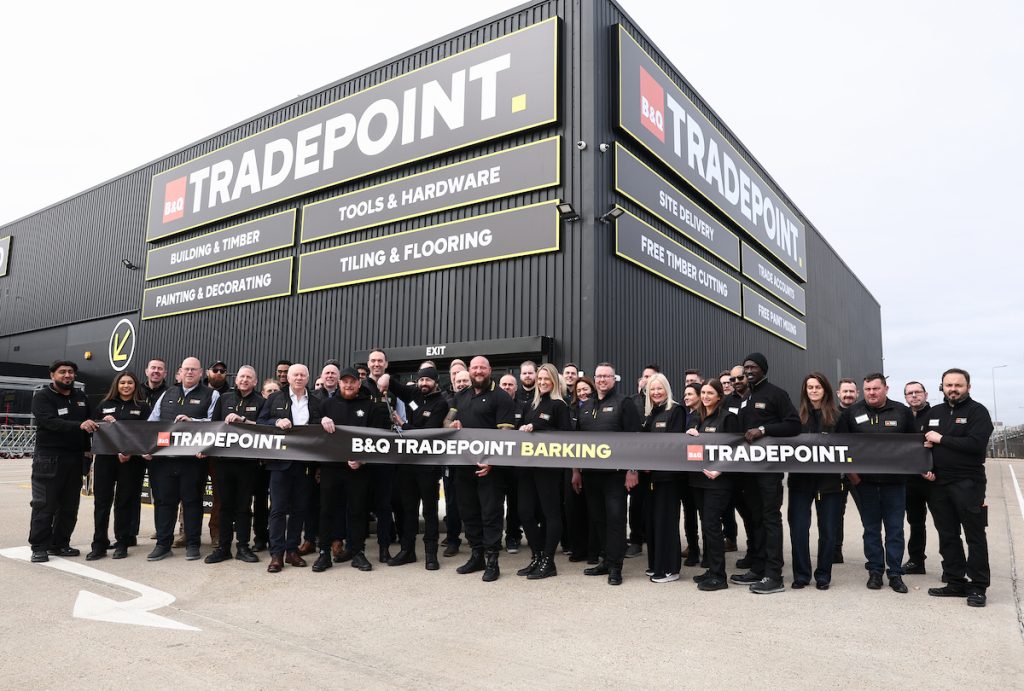
While retail parks were previously largely dominated by DIY, furniture and bulky goods retailers, the destinations have now become one of the most sought-out areas of the property market.

“Demand is much stronger than supply”

Estate agents Knight Frank has warned that Britain is “sleepwalking towards a supply crisis” as a result of this shift, with very few new retail warehouse schemes coming through the planning system.

The company’s partner, head of retail research, Stephen Springham, explains: “The three forces of limited supply, strong occupier demand and a relatively thin development pipeline are conspiring to put pressure on the out-of-town retail property market.”

Retail parks British Land head of retail parks Matthew Reed says that retailers are facing a growing shortage of retail park space simply because “demand is much stronger than supply”.

“Retail parks have become one of the most sought-after formats in retail, but very little new space is being built, only 1 per cent of additional space in the last five years,” he says.

“And new supply is very unlikely, with values remaining below replacement cost and planning extremely restrictive. 

“At the same time, occupancy across the sector is extremely high, across our parks, we are consistently at 99 per cent occupancy. 

“Combined with the fact that retailers are holding onto the stores they already have because they’re performing well.

“When a unit does become available, particularly a larger one, there’s often significant competition for it.”

Affordability, accessibility, and adaptability 

The shift towards retail parks has been driven by growing demand from retailers such as Lidl, Aldi, B&M, Home Bargains, Superdrug and Mountain Warehouse.

According to Knight Frank, Home Bargains was the fastest growing retail park tenant of 2025, with 265 units, followed by The Range, Pure Gym, B&M and Mountain Warehouse.

Explaining what has made retail parks such popular locations in recent years, Reed says: “We talk about the three A’s – affordability, accessibility, and adaptability, which make parks the format of choice for many of the UK’s best performing retailers.

“Customers value the convenience of easy access and free parking, while retailers benefit from larger, more flexible stores that support everything from traditional shopping to click-and-collect and returns. 

“We’re also seeing retailers place greater emphasis on physical stores as part of their wider omnichannel strategy. 

“A well-located retail park store can drive sales, support online fulfilment and improve the customer experience all at the same time.”

Real estate firm Shepherd Commercial also points out that retail parks “often offer lower rental rates compared to shopping malls,” and that the format offers businesses “a chance to reach a broader audience while benefiting from lower operating costs compared to high street locations”.

Retail parks

Springham notes that “most consumers actually like retail parks” and that they are “shopping there by choice rather than by default”.

“It is absolutely no coincidence that retail parks are currently one of the best performing asset class not just in retail but of any property class in the UK,” he says.

“In essence, this is the product of a virtuous circle – consumers like them, retailers make money from them, landlords and investors generate a decent income and return from them.”

“Creating the right mix for customers and local communities”

Of course, with such high demand for retail parks, real estate firms are faced with the decision of which retailers to prioritise to take up the limited spaces.

Reed explains that the focus for British Land is “always on creating the right mix for customers and local communities”.

“We’re looking for retailers that complement the existing offer, attract regular footfall and contribute to the long-term success of the park,” he says. 

“That can include everything from supermarkets and value retailers through to health, leisure and lifestyle brands. 

“Ultimately, we’re looking for occupiers that help create a strong and varied destination that people want to visit.”

Retail parks In terms of how the shortage of retail park space for retailers can be addressed, Reed says: “There isn’t a quick fix, but it’s important that the planning system recognises the role retail parks play in today’s retail landscape.

“Retailers clearly want to invest in physical stores and customers continue to value these locations, so there needs to be a pathway for sensible growth where there is demand.” 

He adds: “In many cases, that could mean expanding or reconfiguring existing parks, while in others it may mean bringing forward appropriate new development. 

“What’s clear is that if demand continues at its current pace, the industry will need more high-quality retail space in the years ahead.”

Click here to sign up to Retail Gazette‘s free daily email newsletter

Feature ArticlesGeneral RetailIn-StoreProperty

Leave a Reply

Your email address will not be published. Required fields are marked *

Fill out this field
Fill out this field
Please enter a valid email address.

Why retail parks have become hot property for UK retailers 

Retail parks, British Land

Last week, it was reported that retailers were facing a growing shortage of retail park space, with discounters, fashion chains, gyms and convenience-led operators all competing for out-of-town sites.

Vacancy rates across the industry have dropped close to record lows, as landlords caution there is limited space left, particularly for bigger stores.

While retail parks were previously largely dominated by DIY, furniture and bulky goods retailers, the destinations have now become one of the most sought-out areas of the property market.

“Demand is much stronger than supply”

Estate agents Knight Frank has warned that Britain is “sleepwalking towards a supply crisis” as a result of this shift, with very few new retail warehouse schemes coming through the planning system.

The company’s partner, head of retail research, Stephen Springham, explains: “The three forces of limited supply, strong occupier demand and a relatively thin development pipeline are conspiring to put pressure on the out-of-town retail property market.”

Retail parks British Land head of retail parks Matthew Reed says that retailers are facing a growing shortage of retail park space simply because “demand is much stronger than supply”.

“Retail parks have become one of the most sought-after formats in retail, but very little new space is being built, only 1 per cent of additional space in the last five years,” he says.

“And new supply is very unlikely, with values remaining below replacement cost and planning extremely restrictive. 

“At the same time, occupancy across the sector is extremely high, across our parks, we are consistently at 99 per cent occupancy. 

“Combined with the fact that retailers are holding onto the stores they already have because they’re performing well.

“When a unit does become available, particularly a larger one, there’s often significant competition for it.”

Affordability, accessibility, and adaptability 

The shift towards retail parks has been driven by growing demand from retailers such as Lidl, Aldi, B&M, Home Bargains, Superdrug and Mountain Warehouse.

According to Knight Frank, Home Bargains was the fastest growing retail park tenant of 2025, with 265 units, followed by The Range, Pure Gym, B&M and Mountain Warehouse.

Explaining what has made retail parks such popular locations in recent years, Reed says: “We talk about the three A’s – affordability, accessibility, and adaptability, which make parks the format of choice for many of the UK’s best performing retailers.

“Customers value the convenience of easy access and free parking, while retailers benefit from larger, more flexible stores that support everything from traditional shopping to click-and-collect and returns. 

“We’re also seeing retailers place greater emphasis on physical stores as part of their wider omnichannel strategy. 

“A well-located retail park store can drive sales, support online fulfilment and improve the customer experience all at the same time.”

Real estate firm Shepherd Commercial also points out that retail parks “often offer lower rental rates compared to shopping malls,” and that the format offers businesses “a chance to reach a broader audience while benefiting from lower operating costs compared to high street locations”.

Retail parks

Springham notes that “most consumers actually like retail parks” and that they are “shopping there by choice rather than by default”.

“It is absolutely no coincidence that retail parks are currently one of the best performing asset class not just in retail but of any property class in the UK,” he says.

“In essence, this is the product of a virtuous circle – consumers like them, retailers make money from them, landlords and investors generate a decent income and return from them.”

“Creating the right mix for customers and local communities”

Of course, with such high demand for retail parks, real estate firms are faced with the decision of which retailers to prioritise to take up the limited spaces.

Reed explains that the focus for British Land is “always on creating the right mix for customers and local communities”.

“We’re looking for retailers that complement the existing offer, attract regular footfall and contribute to the long-term success of the park,” he says. 

“That can include everything from supermarkets and value retailers through to health, leisure and lifestyle brands. 

“Ultimately, we’re looking for occupiers that help create a strong and varied destination that people want to visit.”

Retail parks In terms of how the shortage of retail park space for retailers can be addressed, Reed says: “There isn’t a quick fix, but it’s important that the planning system recognises the role retail parks play in today’s retail landscape.

“Retailers clearly want to invest in physical stores and customers continue to value these locations, so there needs to be a pathway for sensible growth where there is demand.” 

He adds: “In many cases, that could mean expanding or reconfiguring existing parks, while in others it may mean bringing forward appropriate new development. 

“What’s clear is that if demand continues at its current pace, the industry will need more high-quality retail space in the years ahead.”

Click here to sign up to Retail Gazette‘s free daily email newsletter

Social


SUBSCRIBE TO OUR DAILY NEWSLETTER

  • This field is for validation purposes and should be left unchanged.
Feature ArticlesGeneral RetailIn-StoreProperty

Leave a Reply

Your email address will not be published. Required fields are marked *

Fill out this field
Fill out this field
Please enter a valid email address.

RELATED STORIES

Latest Feature


Menu

What’s working in UK stores right now

Read by Store Directors, Head of Retail, and Operations Managers across UK retail.

In-Store Weekly NL Form

  • This field is for validation purposes and should be left unchanged.


Close popup

Please enter the verification code sent to your email: