


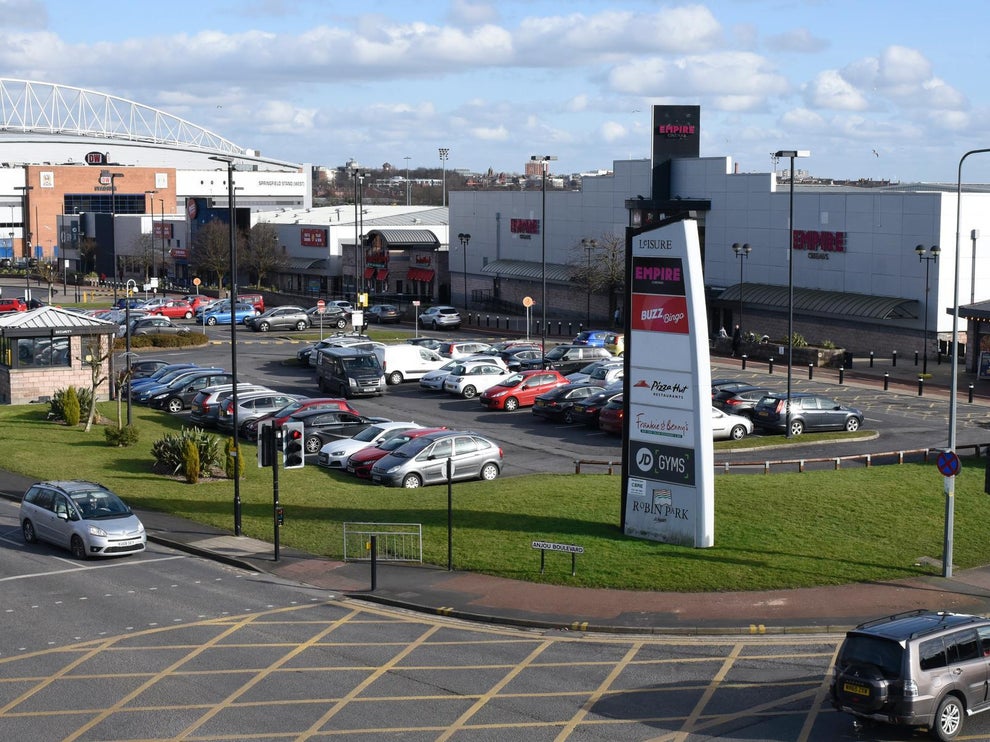
Retailers are facing a growing shortage of retail park space as discounters, fashion chains, gyms and convenience-led operators compete for out-of-town sites.
Vacancy rates across the sector have fallen close to record lows, with landlords warning there is limited space left, particularly for larger stores.
The shift has been driven by rising demand from retailers including Lidl, Aldi, B&M and Home Bargains, as well as brands such as Superdrug, Mountain Warehouse, PureGym and The Gym Group.
Once largely dominated by DIY, furniture and bulky goods retailers, retail parks have become one of the most sought-after parts of the property market.
Knight Frank has warned that Britain is “sleepwalking towards a supply crisis”, with very few new retail warehouse schemes coming through the planning system.
British Land, which owns more than 55 retail parks across the UK, said its estate is now around 99 per cent occupied.
Across the wider retail warehouse market, vacancy stood at just 4.8 per cent at the end of 2025, according to Knight Frank, the lowest level on record.
The consultancy expects just 21 retail warehouse schemes to be delivered before 2033, adding around 2.7m sq ft of space over eight years.
Retailers took on roughly 7.5m sq ft of retail warehouse space in 2025 alone.
Knight Frank head of retail research Stephen Springham said retail parks remained attractive because they were cheaper and easier to trade from than town centre stores.
He said: “It’s tangibly cheaper to trade on a retail park than in a town centre and those fundamentals still ring true today.”
Retailers are increasingly using the sites to support click-and-collect, returns and store-based fulfilment as online delivery costs remain under pressure.
British Land head of retail parks Matt Reed said: “The cost of fulfilling an online order to get that package to your house is far more expensive than getting you to come into the store.
“Once you’re in the store, you’re far more likely to buy something else.”
Retail parks are seen as well suited to omnichannel retail because they offer large units, strong road access and extensive free parking.
Reed added: “Retail park units are ultimately steel-frame sheds. If you want to create click-and-collect space or a returns hub, you can do that relatively cheaply compared with a shopping centre or high street unit.”
The shortage of space has intensified competition between retailers, with some trying to secure units years before they become available.
Planning restrictions, higher building costs and rising borrowing costs have also slowed new development.
Reed said: “It is, at the moment, cheaper to buy a retail park than it is to build one.”
Industry sources also warned that planning applications that previously took around 13 weeks can now take more than twice as long, and up to two years in some cases.
Existing retail parks are also facing pressure from housing developers, particularly in London, where residential values can make redevelopment more attractive.
Springham said out-of-town and high street retail should not be treated as competing forces.
He said: “We’ve got to stop thinking of out of town and high street as binary forces.
“You don’t want a robbing Peter to pay Paul situation whereby you penalise retail warehousing in an effort to get things going back into town centres.”
The warning comes as retailers continue to rethink the role of physical stores, with many using larger out-of-town units to drive footfall, reduce fulfilment costs and make returns more efficient.
Click here to sign up to Retail Gazette‘s free daily email newsletter