Theo Paphitis’ Boux Avenue and Ryman profits climb

Theo Paphitis
FashionGeneral RetailHome & DIYNews

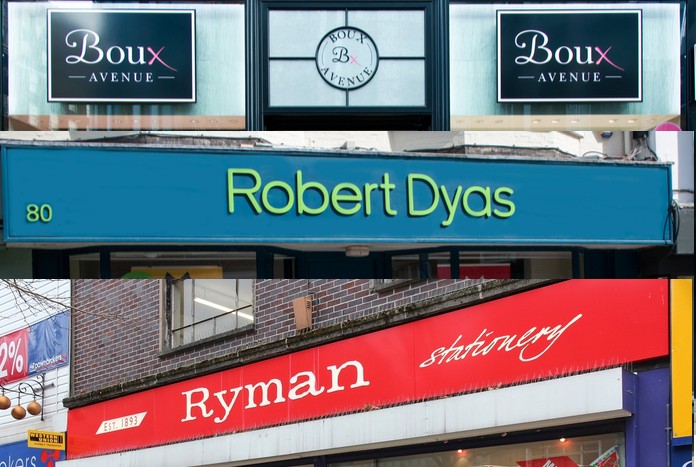
Theo Paphitis Retail Group saw profit growth in Boux Avenue and Ryman, despite Robert Dyas experiencing a “more testing time”.

Lingerie specialist Boux Avenue saw EBITDA improve to £6.4m to deliver a profit from March 2024 to March 2025. This followed sales growth of 6.9 per cent and improved margins. 

The business said that Boux Avenue’s ranges and marketing campaigns, “focusing on fit, aspiration and style,” resonated with shoppers across all of its channels. 

During its current year, ending March 2026, the fashion brand is reportedly on track to deliver a “further and significant improvement” in EBITDA to at least £4m.

Stationery chain Ryman saw EBITDA climb 20.5 per cent to £1.94m over the period.

In its current year, the company’s EBITDA is forecast to be “comfortably ahead of £3m”. 

Ryman said this had been achieved through “growth in our margins delivered through new and improved ranges, a focus on products with better margins and the success in our services, particularly in store”.

It noted there had also been further investment in its Ryman Design concept, which now totalled five stores.


Hardware and homeware brand Robert Dyas pulled in an EBITDA loss of £3.4m, compared to a £0.7m loss in 2024.

Its 93 high street stores saw like-for-like sales drop -5 per cent, which it said was a “combination of seeing lower footfall and an unseasonal summer and winter in the year reported”.

The business said it had continued to look at optimising its space and increasing productivity by developing its joint stores with Ryman. It noted it now had 12 joint stores and that it had seen “customers increasing their purchases across both brands when visiting”.

Theo Paphitis’ arts brand London Graphic Centre saw like-for-like “well ahead of the market” at 17.4 per cent over the period. It also reported “strong growth” in its current trading year.

Owner and chairman of Ryman, Robert Dyas, Boux Avenue and London Graphic Centre Theo Paphitis said: “I am proud of the resilience and creativity shown by all of my brands to progress in such a difficult environment. 

“Retail is a crucial sector, and contributor to our economy and communities, but we are still seeing long-standing brands face difficulties or disappearing from our high streets. 

“I have personally continued to provide support to all of our companies and the growth delivered I have seen is very encouraging.”

Click here to sign up to Retail Gazette‘s free daily email newsletter

FashionGeneral RetailHome & DIYNews

Leave a Reply

Your email address will not be published. Required fields are marked *

Fill out this field
Fill out this field
Please enter a valid email address.

Theo Paphitis’ Boux Avenue and Ryman profits climb

Theo Paphitis

Theo Paphitis Retail Group saw profit growth in Boux Avenue and Ryman, despite Robert Dyas experiencing a “more testing time”.

Lingerie specialist Boux Avenue saw EBITDA improve to £6.4m to deliver a profit from March 2024 to March 2025. This followed sales growth of 6.9 per cent and improved margins. 

The business said that Boux Avenue’s ranges and marketing campaigns, “focusing on fit, aspiration and style,” resonated with shoppers across all of its channels. 

During its current year, ending March 2026, the fashion brand is reportedly on track to deliver a “further and significant improvement” in EBITDA to at least £4m.

Stationery chain Ryman saw EBITDA climb 20.5 per cent to £1.94m over the period.

In its current year, the company’s EBITDA is forecast to be “comfortably ahead of £3m”. 

Ryman said this had been achieved through “growth in our margins delivered through new and improved ranges, a focus on products with better margins and the success in our services, particularly in store”.

It noted there had also been further investment in its Ryman Design concept, which now totalled five stores.


Hardware and homeware brand Robert Dyas pulled in an EBITDA loss of £3.4m, compared to a £0.7m loss in 2024.

Its 93 high street stores saw like-for-like sales drop -5 per cent, which it said was a “combination of seeing lower footfall and an unseasonal summer and winter in the year reported”.

The business said it had continued to look at optimising its space and increasing productivity by developing its joint stores with Ryman. It noted it now had 12 joint stores and that it had seen “customers increasing their purchases across both brands when visiting”.

Theo Paphitis’ arts brand London Graphic Centre saw like-for-like “well ahead of the market” at 17.4 per cent over the period. It also reported “strong growth” in its current trading year.

Owner and chairman of Ryman, Robert Dyas, Boux Avenue and London Graphic Centre Theo Paphitis said: “I am proud of the resilience and creativity shown by all of my brands to progress in such a difficult environment. 

“Retail is a crucial sector, and contributor to our economy and communities, but we are still seeing long-standing brands face difficulties or disappearing from our high streets. 

“I have personally continued to provide support to all of our companies and the growth delivered I have seen is very encouraging.”

Click here to sign up to Retail Gazette‘s free daily email newsletter

Social


SUBSCRIBE TO OUR DAILY NEWSLETTER

  • This field is for validation purposes and should be left unchanged.
FashionGeneral RetailHome & DIYNews

Leave a Reply

Your email address will not be published. Required fields are marked *

Fill out this field
Fill out this field
Please enter a valid email address.

RELATED STORIES

Latest Feature


Menu


Close popup

Please enter the verification code sent to your email: