


A potential prolonged disruption to one of the world’s most critical shipping routes is raising fresh concerns for retailers already grappling with fragile food supply chains, as fertiliser markets surge and upstream costs begin to filter through to shelves.
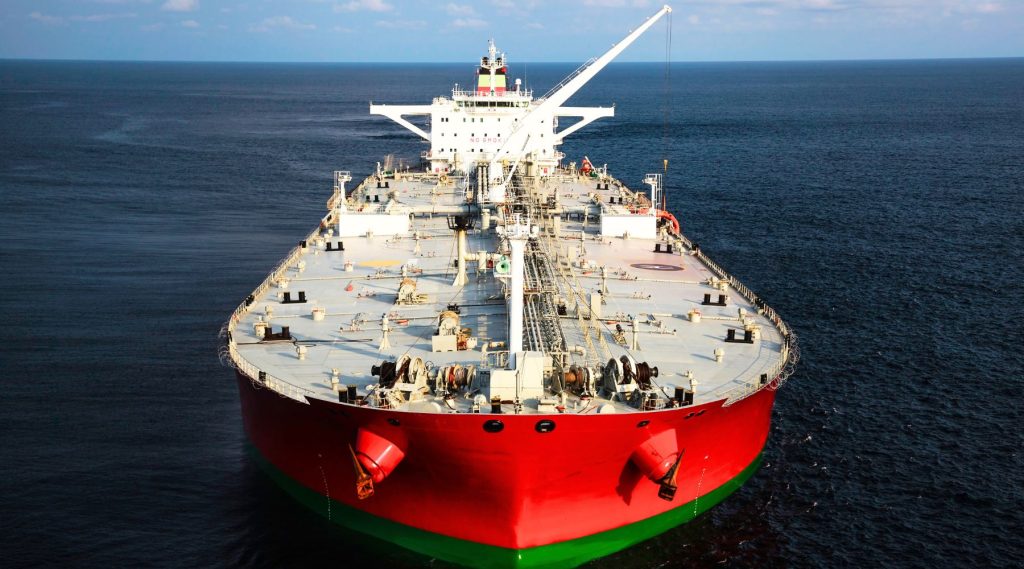
The Strait of Hormuz, a narrow waterway connecting the Gulf to global markets, is a vital artery for chemicals, plastics and fertilisers. Any extended closure risks pushing up production costs globally, with knock-on effects for agricultural inputs and, ultimately, food pricing.
Fitch Ratings senior director Guillaume Daguerre warned that a shutdown lasting longer than a month would “negatively affect global chemical production, with Middle Eastern and Asian producers most affected”.
Fertiliser supply under pressure
The Gulf region produces about one-third of globally traded nitrogen fertilisers, according to Fitch, making it a critical supplier to international agricultural markets. At the same time, Europe and Asia typically rely on the Middle East for 10–20 per cent of their polyethylene and polypropylene needs, materials closely tied to food packaging and logistics.
Disruption to these flows is already feeding into prices. Middle East urea- the global fertiliser benchmark – has risen by 44 per cent since the start of the conflict, climbing above $670 a tonne, according to market data cited in the briefing.

The shock comes on top of an already concentrated global fertiliser market. Russia accounts for 23 per cent of global ammonia exports and 14 per cent of urea, while Russia and Belarus together supply around 40 per cent of potash.
However, earlier this week Russia said it is to halt exports of the fertilizer for one month until April 21 to ensure sufficient supply during the spring planting season, putting pressure on an already disrupted supply chain.
Rising input costs for food producers
Fertilisers are a foundational input in global food production, and price increases tend to transmit through the supply chain with a lag.
Higher nutrient costs can reduce application rates, lower crop yields, or raise farmgate prices, all of which eventually influence retail pricing.
At the same time, the conflict is constraining access to key chemical feedstocks such as naphtha, liquefied petroleum gases, sulphur and methanol.
Daguerre noted that this could trigger production curtailments and force majeure declarations, particularly in Asia where reliance on Middle Eastern inputs is high.
For retailers, the result is a familiar but unwelcome pattern: cost inflation building upstream before appearing in procurement contracts months later, with the impact now being felt directly within UK fresh produce supply chains.
Earlier this month, the British Berry Growers Association warned of rising input costs as disruption feeds through to farms.
Chairman Nick Marston said the conflict is already having a “knock-on effect” on growers, adding: “External transport costs are rising as hauliers link their rates to the price of diesel, which has spiked.”
He also highlighted the central role of Hormuz in fertiliser trade:
“The Strait of Hormuz is not only vital for global oil transport, it is a key shipping route for global fertilizer trade… the knock-on effect on our members’ input costs is severe.”
Growers are facing pressure on multiple fronts, including fertiliser, fuel and energy costs, with labour already accounting for more than half of production costs in some cases.
Supply chain disruption extends beyond fertilisers
The implications extend beyond agriculture. Plastics and chemicals used in packaging, preservation and transport are also exposed to supply shocks, adding further cost pressure to food distribution networks.
“Increased energy costs are likely to raise production costs in gas import-reliant regions such as Europe and Asia,” Daguerre said, highlighting the risk of sustained inflation if disruption persists.
Alternative export routes, such as shipments from Saudi Arabia’s west coast or via Oman, may ease some pressure, but are expected to be more expensive and vulnerable to congestion.
 For now, some chemical producers outside the most affected regions may benefit from reduced oversupply, potentially supporting margins after a prolonged downturn since 2023. However, any gains are likely to be offset if higher energy prices weaken global demand.
For retailers, the key issue is timing, with Daguerre adding that this is often the final link in a chain that absorbs shocks gradually but persistently.
A sustained fertiliser price spike, combined with broader chemical inflation, risks feeding into food prices later in the year, just as many households remain sensitive to cost-of-living pressures.
The scale of disruption will ultimately depend on how long transit through Hormuz remains constrained.
Fitch analysis suggests that even a three-month closure could pose “material threats” to chemical sector credit profiles across Europe, the Gulf and Asia-Pacific.
Click here to sign up to Retail Gazette‘s free daily email newsletter