Is Poundland’s public and political attention creating a poisoned chalice?

Poundland
Discount RetailFeature Articles

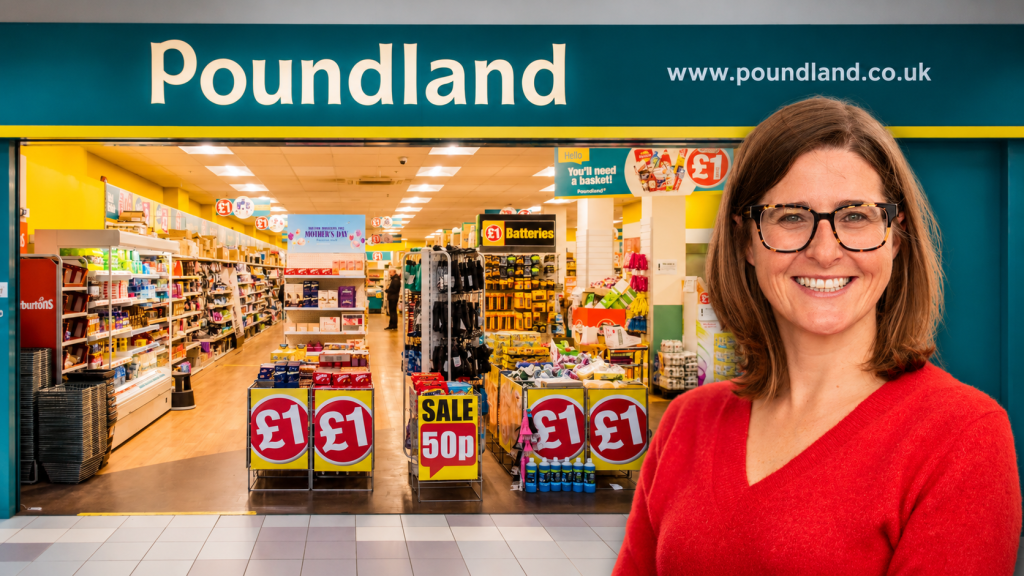
Poundland has about 600 shops, a management team that says it has brought the business back into profit and a prospective buyer prepared to take the whole thing on.

It also has until 26 November before its latest protection from creditors expires. For the staff who gathered outside its Walsall headquarters last month, the bit that needed explaining was how all these things could be true at once.

It’s the possibility of a break-up, when there appears to be an alternative, that has made Poundland’s sale a matter for parliament. Workers have protested, the prime minister has intervened and MPs have called in the European boss of Gordon Brothers, the American investment firm that bought the chain for £1 last year.

In the Commons, the Conservative MP Bradley Thomas asked a question with rather more bearing on the lives of his constituents than most of the speculation about bidders: “If individual stores are sold, will their employees keep their jobs?”

Much of the anger concerns an offer from Northern Ireland’s Martin Property Group. Poundland’s management backed it. According to Sky News, it failed to progress because it would repay too little of a £22.5m loan owed to Gordon Brothers.

The owner says it has provided £85m in financing, prefers a sale of the whole business and wants a buyer with the means to keep trading. There are two sums of money at issue here. One is what Poundland needs from a new owner. The other is what its present owner wants out. It seems fair, with thousands of livelihoods at stake, to ask which sum is proving the greater obstacle.

The staff have a particular claim to an answer; around 150 shops have already closed since summer 2025. At the remaining stores, customers have responded to the return of a recognisable Poundland proposition, with half the grocery range priced at £1.

Green shoots, but challenges persist

Like-for-like sales rose 3.3 per cent in the quarter to 27 September, and managing director Barry Williams told staff that annual earnings before interest, tax, depreciation and amortisation had reached £18.1m, against a £68.1m loss a year earlier.

Anyone who worked through that and then found themselves outside head office chanting “save our jobs” might reasonably wonder whose turn it was to make a concession.

A buyer looking at those same figures might reasonably ask how a company making £18.1m had lately found itself struggling to order Yorkshire Tea. The answer matters more to its prospects than another week of speculation about the sale price.

Someone has to advance the cash for the tea before a shopper pays for it. This month, as MPs pressed Gordon Brothers over funding, money became available to place orders and more than 50 suppliers sent goods to Poundland’s depots.

‘Political risk and inflammatory commentary’

Yet consider how the past few weeks might look from Denmark. Salling Group, which owns Netto, reportedly withdrew from the process after its representatives cited “political risk and inflammatory commentary”, according to a City source quoted by The Telegraph.

It would be quite a leap from one source’s account to blaming MPs for the loss of a viable deal. Still, Salling knows the British discount market. When its 16-store venture with Sainsbury’s ended in 2016, one difficulty the partners identified was the cost of acquiring enough sites quickly enough. An estate the size of Poundland’s ought at least to have been worth a second look.

What has changed is what it would mean, publicly, to buy those shops. A bidder can undertake to acquire Poundland as a going concern. An employee hearing that their job has been saved is likely to understand something more enduring. The two interpretations can coexist quite happily until the first lease comes up for renewal.

At that point, a decision the buyer thought it was entitled to make on the rent may look, to everyone else, like a promise broken.

Gordon Brothers says it has also received offers for substantial parts of the estate. Those bidders enjoy an advantage. They can tell workers in the shops they take on what they intend to do for them. Nobody expects them to visit the towns they passed over.

Buy Poundland whole, however, and every town is yours to answer to. The staff in Walsall had good reason to make a public cause of keeping the chain together. What should perhaps trouble them is how much easier it would be for a buyer to defend taking it apart.

Click here to sign up to Retail Gazette‘s free daily email newsletter

Discount RetailFeature Articles

Leave a Reply

Your email address will not be published. Required fields are marked *

Fill out this field
Fill out this field
Please enter a valid email address.

Discount RetailFeature Articles

Share:

Is Poundland’s public and political attention creating a poisoned chalice?

Poundland

Poundland has about 600 shops, a management team that says it has brought the business back into profit and a prospective buyer prepared to take the whole thing on.

It also has until 26 November before its latest protection from creditors expires. For the staff who gathered outside its Walsall headquarters last month, the bit that needed explaining was how all these things could be true at once.

It’s the possibility of a break-up, when there appears to be an alternative, that has made Poundland’s sale a matter for parliament. Workers have protested, the prime minister has intervened and MPs have called in the European boss of Gordon Brothers, the American investment firm that bought the chain for £1 last year.

In the Commons, the Conservative MP Bradley Thomas asked a question with rather more bearing on the lives of his constituents than most of the speculation about bidders: “If individual stores are sold, will their employees keep their jobs?”

Much of the anger concerns an offer from Northern Ireland’s Martin Property Group. Poundland’s management backed it. According to Sky News, it failed to progress because it would repay too little of a £22.5m loan owed to Gordon Brothers.

The owner says it has provided £85m in financing, prefers a sale of the whole business and wants a buyer with the means to keep trading. There are two sums of money at issue here. One is what Poundland needs from a new owner. The other is what its present owner wants out. It seems fair, with thousands of livelihoods at stake, to ask which sum is proving the greater obstacle.

The staff have a particular claim to an answer; around 150 shops have already closed since summer 2025. At the remaining stores, customers have responded to the return of a recognisable Poundland proposition, with half the grocery range priced at £1.

Green shoots, but challenges persist

Like-for-like sales rose 3.3 per cent in the quarter to 27 September, and managing director Barry Williams told staff that annual earnings before interest, tax, depreciation and amortisation had reached £18.1m, against a £68.1m loss a year earlier.

Anyone who worked through that and then found themselves outside head office chanting “save our jobs” might reasonably wonder whose turn it was to make a concession.

A buyer looking at those same figures might reasonably ask how a company making £18.1m had lately found itself struggling to order Yorkshire Tea. The answer matters more to its prospects than another week of speculation about the sale price.

Someone has to advance the cash for the tea before a shopper pays for it. This month, as MPs pressed Gordon Brothers over funding, money became available to place orders and more than 50 suppliers sent goods to Poundland’s depots.

‘Political risk and inflammatory commentary’

Yet consider how the past few weeks might look from Denmark. Salling Group, which owns Netto, reportedly withdrew from the process after its representatives cited “political risk and inflammatory commentary”, according to a City source quoted by The Telegraph.

It would be quite a leap from one source’s account to blaming MPs for the loss of a viable deal. Still, Salling knows the British discount market. When its 16-store venture with Sainsbury’s ended in 2016, one difficulty the partners identified was the cost of acquiring enough sites quickly enough. An estate the size of Poundland’s ought at least to have been worth a second look.

What has changed is what it would mean, publicly, to buy those shops. A bidder can undertake to acquire Poundland as a going concern. An employee hearing that their job has been saved is likely to understand something more enduring. The two interpretations can coexist quite happily until the first lease comes up for renewal.

At that point, a decision the buyer thought it was entitled to make on the rent may look, to everyone else, like a promise broken.

Gordon Brothers says it has also received offers for substantial parts of the estate. Those bidders enjoy an advantage. They can tell workers in the shops they take on what they intend to do for them. Nobody expects them to visit the towns they passed over.

Buy Poundland whole, however, and every town is yours to answer to. The staff in Walsall had good reason to make a public cause of keeping the chain together. What should perhaps trouble them is how much easier it would be for a buyer to defend taking it apart.

Click here to sign up to Retail Gazette‘s free daily email newsletter

Social


SUBSCRIBE TO OUR DAILY NEWSLETTER

  • This field is for validation purposes and should be left unchanged.
Discount RetailFeature Articles

Leave a Reply

Your email address will not be published. Required fields are marked *

Fill out this field
Fill out this field
Please enter a valid email address.

RELATED STORIES

Latest Feature


Menu


Please enter the verification code sent to your email: