
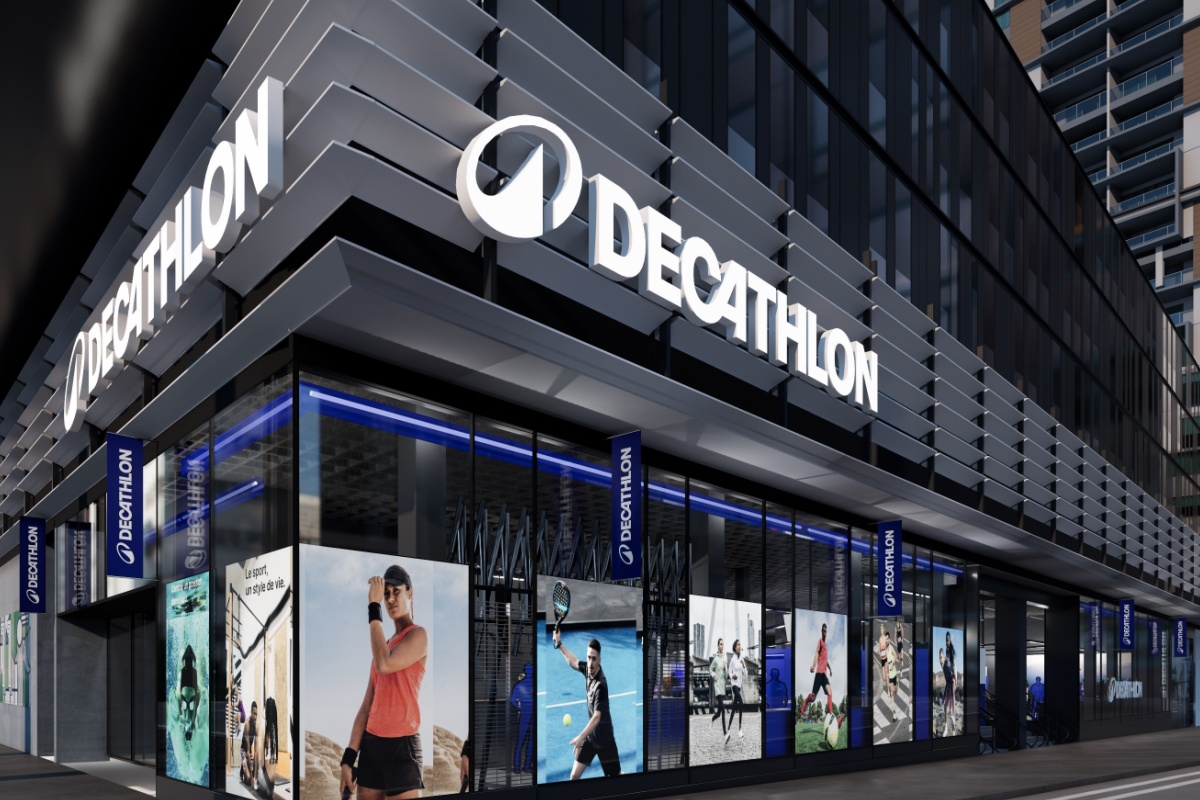
Decathlon UK made a £2m loss last year after it ploughed £10m into transformation initiatives.
The group said its performance was aligned with expectations, as revenue dropped 5% at the sports retailer over the year, and comparable store sales dipped 2.5%. However, the sales fall comes on top of strong growth in previous years, with sales up 25% in 2021 and 6% last year.
The sportswear retailer put the performance down to the high cost of living, market dynamics, such as structural changes in the sports market, as well as strategic store closures as it has shut six underperforming shops over the past two years.
Decathlon admitted it was impacted by cautious purchasing behaviour in the retail industry, a difficult economic environment and unpredictable weather, which “adversely impacted” seasonal sports like skiing, and “contributed to a 7% decline in the overall UK cycle market”.
Subscribe to Retail Gazette for free
Sign up here to get the latest news straight into your inbox each morning
Despite these challenges, the retailer improved its operational efficiency and made strategic investments to bolster its resilience and drive growth. It launched a new website, modernised its top strategic stores, automated warehouses and grow its circular business model through buy back and rental schemes.
Decathlon deepened its wholesale business over the year through collaborations with Next, Argos, eBay, Asda, Debenhams and Tesco. It also enhanced stock efficiency by 16%, reducing inventory by £16m.
The UK loss comes despite Decathlon posting a rise in sales across its wider business in April, as it hailed 2023 as a transformative year.
Decathlon UK chief financial officer Franck Laden said: “Looking back at 2023, a year marked by significant challenges for the UK’s retail sector, particularly within key segments of the sports equipment industry, it’s evident that a combination of factors influenced our revenue growth negatively.
“These include declining purchasing power, seasonal hurdles like adverse weather conditions during peak summer and winter seasons, and our strategic decision to close certain stores.”
He continued: “In response, our focus has remained squarely on our customers. We’ve implemented price adjustments, enhanced our market positioning and introduced innovative alternatives through our circular-economy models, both in store and online.
“Our commitment to enhancing customer experience remains steadfast. Substantial investments have been directed towards improving every touchpoint, whether online or offline, while simultaneously modernising our operational processes and structure for increased efficiency.”
Click here to sign up to Retail Gazette‘s free daily email newsletter