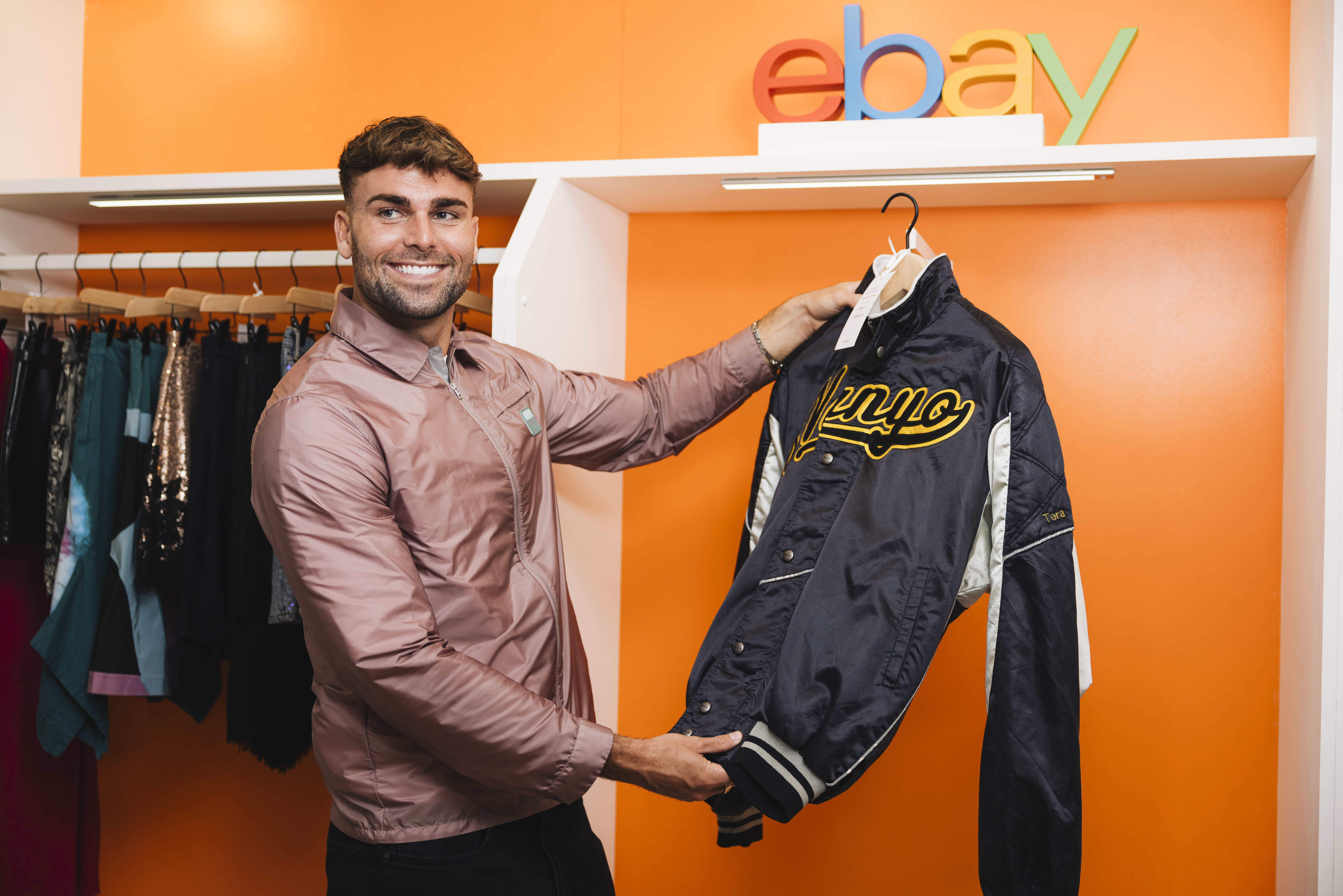
The rising trend is also demonstrated by the fact that searches for “pre-loved fashion” have surged 400% on Ebay since Love Island’s previous summer 2024 season, as the ecommerce giant recently entered its sixth season of filling the villa’s wardrobes
Jeffers suggests that by retailers embracing the trend, whether through partnerships or creating their own offer, it provides access to data that can “also help optimise inventory and tailor product offerings”.
A sustainability tipping point
While the popularity of pre-loved continues to soar, sustainability more broadly could also reach a tipping point in 2025.
Gartner Marketing Practice senior director analyst Matt Moorut notes there is a desire among younger shoppers to shop sustainably.
“There’s a remarkable dynamic in which young consumers are more knowledgeable than ever about the climate crisis facing the planet as well as about labour conditions amongst suppliers,” he says.
However, he points out: “British consumers say that they want sustainable goods, but for many it’s less important than getting a good, affordable product.
“With British politics going back and forth on green issues as well, I think we’re likely to see these dynamics reach a tipping point in 2025.”
Moorut explains that retailers ultimately need to “get better at promoting their sustainability credentials when they invest to establish them”.
“There’s still so much confusion about what is truly sustainable and what is not, and that plays into the hands (and wallets) of the retailers that aren’t even trying to be sustainable.”
H&M is one example of a fashion brand pushing ahead with sustainability efforts, despite being faced with accusations of greenwashing, with the retailer pledging to use 100% sustainable or recycled materials by 2030 and become climate positive by 2040.
M&S also expanded its beauty takeback scheme to 100 stores in November, as part of its plan A roadmap to net zero. The scheme allows customers to recycle any form of plastic or aluminium beauty packaging from any retailer, by dropping their used beauty packaging into boxes located within the store’s beauty section.
Stylus senior advisory strategist Margaux Caron highlights that shoppers are starting to feel increasingly uncomfortable “in front of frenetic cycles of fast-paced trends, streams of sponsored social media content, and ‘haul’ videos promoting excessive consumption” in the context of “financial hardships and environmental crisis”.
In response, she says a rising number of shoppers are “choosing to consume ‘less but better’, only purchasing products that they truly need and maximising the use of what they buy”.
A balance of value and luxury
Despite a wider slowdown in the luxury sector, there is a sense of polarisation in the retail market as shoppers fly to value – while also engaging with more premium products lines across fashion and grocery.
Moorut points out that many UK shoppers are “still struggling through cost-of-living pressures and remain highly cost-conscious.”
Retailers are certainly still laser focussed on value, with Co-op recently launching a new value campaign in efforts to shift customer price perceptions.
Additionally, Ocado Retail boss Hannah Gibson insisted the grocer was “focussed on value” after its latest set of results, despite price rise concerns following the Budget.
Despite this, Moorut notes: “The sliver of hope is that consumers are still treating themselves to luxuries, for brands and products that they deem as representing high quality.
“For retailers to sell in that bracket, they really need to emphasise their products’ superior quality.”
Next launched its premium fashion platform Seasons late last year after reporting “exceptionally strong demand for its existing premium brands such as Reiss” and a “significant portion of customers actively seeking premium and luxury products”.
McKinsey partner Sara Hudson explains that shoppers are becoming “more willing to splurge” despite many consumers still conscious of their spending.
“Top categories for splurging for Gen Z are appearance related – footwear, apparel, beauty, jewellery -, while Millennials are most willing to splurge on food,” she notes.
“Further, we expect the “lipstick effect” of purchasing small indulgences, as well as the focus on self-care will continue to benefit the beauty and wellness category beyond just lipstick.”
The trend of trading up was further demonstrated in the grocers’ Christmas results, with Tesco recording a 15.5% sales growth in its premium Finest offer, off the back of “very strong growth” the year before.
Likewise, Sainsbury’s Taste the Difference range also saw sales shoot up 16%.
AI and the joy of discovery
Caron explains the “increasing automation of online shopping responding to a demand for speed and convenience,” means shoppers are increasingly “finding that their reliance on algorithms is taking away the joy of discovering new products and brands”.
She says: “While they will still value solutions that help them outsource choice, they will start to seek more variety and surprise in their shopping experiences.
“Consumer-facing AI tools will solve for this tension by streamlining choice while re-introducing more exploratory experiences.”
Discovering products in-store is clearly still important to shoppers, with recent data from MRI Software revealing there was a 20.2% surge in shoppers on high streets post-Christmas compared to last year.
On the other hand, Jeffers points out that consumers are feeling “increasingly inundated by the sheer volume of marketing and choices available to them”.
Due to this, he says they are “seeking personalised solutions that simplify decision-making”.
“In 2025, we anticipate that more shoppers will continue to embrace AI tools, curating tailored options to streamline their shopping experience,” he explains.
“Retailers have a significant opportunity to capitalise on this trend by embedding AI into their customer journeys.
“Tools like virtual shopping assistants, visual search, and chatbots can make navigating extensive catalogues feel intuitive and effortless.”
Demonstrating this trend, Amazon rolled out itsAI-powered shopping assistant, Rufus, to the UK in September, designed to answer any shopping queries users have.
Additionally, M&S piloted virtual try-on tech in stores with fashion brand Jaeger last year, with the experience providing “a personalised shopping journey where customers become the model”.
Appealing to different demographics
Although Gen Z’s purchasing power is growing as they enter the workforce, the UK’s aging population means boomers and Gen X still hold the largest amount of wealth and buying power lies, according to Moorut.
“These different age groups engage with retailers in very different ways,” he explains.
“Gen-Zers are much more likely to purchase goods having seen them on social media than Boomers.
“Plus, even the creatives and messaging used will elicit different responses based on the age profile of the audience.”
He notes retailers will need to consider whether they should “try to appeal to both, or one group over the others”.
“Retailers are running campaigns targeting those different audiences and might need to diversify their campaign messaging and placements further to achieve growth objectives,” he explains.
Additionally, M&S is focussed on attracting younger shoppers, starring British actress Gillian Anderson in its new adverts in November in a bid to attract younger consumers.
Outside of Gen Z, recent research from the Retail Technology Show found millennials had overtaken Gen Z as the fastest growing demographic for social commerce purchases, demonstrating the need for retailers to target the group.
Social shopping 2.0
This year, Caron says the lines between online community, entertainment, culture and retail “will further blur,” as consumers continue to seek “meaningful social interactions in digital spaces, rather than just passive, algorithm-based content consumption”.
She also notes: “Live shopping is set to further grow globally, opening more collective shopping experiences to smaller interest-led groups and fan communities.”
In April, Joules unveiled it was hosting a series of live shopping events with live shopping and video commerce platform Sprii, in a bid to go back to its roots.
Caron adds: “At the same time, physical retail is evolving to offer group experiences and celebrate shared interests, with retailers tapping into cultural moments and fandoms, a strategy spearheaded by Selfridges and their Taylor Swift pop-up store coinciding with the Era Tour’s stop in London.”
The rising trend is also demonstrated by the fact that searches for “pre-loved fashion” have surged 400% on Ebay since Love Island’s previous summer 2024 season, as the ecommerce giant recently entered its sixth season of filling the villa’s wardrobes
Jeffers suggests that by retailers embracing the trend, whether through partnerships or creating their own offer, it provides access to data that can “also help optimise inventory and tailor product offerings”.
A sustainability tipping point
While the popularity of pre-loved continues to soar, sustainability more broadly could also reach a tipping point in 2025.
Gartner Marketing Practice senior director analyst Matt Moorut notes there is a desire among younger shoppers to shop sustainably.
“There’s a remarkable dynamic in which young consumers are more knowledgeable than ever about the climate crisis facing the planet as well as about labour conditions amongst suppliers,” he says.
However, he points out: “British consumers say that they want sustainable goods, but for many it’s less important than getting a good, affordable product.
“With British politics going back and forth on green issues as well, I think we’re likely to see these dynamics reach a tipping point in 2025.”
Moorut explains that retailers ultimately need to “get better at promoting their sustainability credentials when they invest to establish them”.
“There’s still so much confusion about what is truly sustainable and what is not, and that plays into the hands (and wallets) of the retailers that aren’t even trying to be sustainable.”
H&M is one example of a fashion brand pushing ahead with sustainability efforts, despite being faced with accusations of greenwashing, with the retailer pledging to use 100% sustainable or recycled materials by 2030 and become climate positive by 2040.
M&S also expanded its beauty takeback scheme to 100 stores in November, as part of its plan A roadmap to net zero. The scheme allows customers to recycle any form of plastic or aluminium beauty packaging from any retailer, by dropping their used beauty packaging into boxes located within the store’s beauty section.
Stylus senior advisory strategist Margaux Caron highlights that shoppers are starting to feel increasingly uncomfortable “in front of frenetic cycles of fast-paced trends, streams of sponsored social media content, and ‘haul’ videos promoting excessive consumption” in the context of “financial hardships and environmental crisis”.
In response, she says a rising number of shoppers are “choosing to consume ‘less but better’, only purchasing products that they truly need and maximising the use of what they buy”.
A balance of value and luxury
Despite a wider slowdown in the luxury sector, there is a sense of polarisation in the retail market as shoppers fly to value – while also engaging with more premium products lines across fashion and grocery.
Moorut points out that many UK shoppers are “still struggling through cost-of-living pressures and remain highly cost-conscious.”
Retailers are certainly still laser focussed on value, with Co-op recently launching a new value campaign in efforts to shift customer price perceptions.
Additionally, Ocado Retail boss Hannah Gibson insisted the grocer was “focussed on value” after its latest set of results, despite price rise concerns following the Budget.
Despite this, Moorut notes: “The sliver of hope is that consumers are still treating themselves to luxuries, for brands and products that they deem as representing high quality.
“For retailers to sell in that bracket, they really need to emphasise their products’ superior quality.”
Next launched its premium fashion platform Seasons late last year after reporting “exceptionally strong demand for its existing premium brands such as Reiss” and a “significant portion of customers actively seeking premium and luxury products”.
McKinsey partner Sara Hudson explains that shoppers are becoming “more willing to splurge” despite many consumers still conscious of their spending.
“Top categories for splurging for Gen Z are appearance related – footwear, apparel, beauty, jewellery -, while Millennials are most willing to splurge on food,” she notes.
“Further, we expect the “lipstick effect” of purchasing small indulgences, as well as the focus on self-care will continue to benefit the beauty and wellness category beyond just lipstick.”
The trend of trading up was further demonstrated in the grocers’ Christmas results, with Tesco recording a 15.5% sales growth in its premium Finest offer, off the back of “very strong growth” the year before.
Likewise, Sainsbury’s Taste the Difference range also saw sales shoot up 16%.
AI and the joy of discovery
Caron explains the “increasing automation of online shopping responding to a demand for speed and convenience,” means shoppers are increasingly “finding that their reliance on algorithms is taking away the joy of discovering new products and brands”.
She says: “While they will still value solutions that help them outsource choice, they will start to seek more variety and surprise in their shopping experiences.
“Consumer-facing AI tools will solve for this tension by streamlining choice while re-introducing more exploratory experiences.”
Discovering products in-store is clearly still important to shoppers, with recent data from MRI Software revealing there was a 20.2% surge in shoppers on high streets post-Christmas compared to last year.
On the other hand, Jeffers points out that consumers are feeling “increasingly inundated by the sheer volume of marketing and choices available to them”.
Due to this, he says they are “seeking personalised solutions that simplify decision-making”.
“In 2025, we anticipate that more shoppers will continue to embrace AI tools, curating tailored options to streamline their shopping experience,” he explains.
“Retailers have a significant opportunity to capitalise on this trend by embedding AI into their customer journeys.
“Tools like virtual shopping assistants, visual search, and chatbots can make navigating extensive catalogues feel intuitive and effortless.”
Demonstrating this trend, Amazon rolled out itsAI-powered shopping assistant, Rufus, to the UK in September, designed to answer any shopping queries users have.
Additionally, M&S piloted virtual try-on tech in stores with fashion brand Jaeger last year, with the experience providing “a personalised shopping journey where customers become the model”.
Appealing to different demographics
Although Gen Z’s purchasing power is growing as they enter the workforce, the UK’s aging population means boomers and Gen X still hold the largest amount of wealth and buying power lies, according to Moorut.
“These different age groups engage with retailers in very different ways,” he explains.
“Gen-Zers are much more likely to purchase goods having seen them on social media than Boomers.
“Plus, even the creatives and messaging used will elicit different responses based on the age profile of the audience.”
He notes retailers will need to consider whether they should “try to appeal to both, or one group over the others”.
“Retailers are running campaigns targeting those different audiences and might need to diversify their campaign messaging and placements further to achieve growth objectives,” he explains.
Additionally, M&S is focussed on attracting younger shoppers, starring British actress Gillian Anderson in its new adverts in November in a bid to attract younger consumers.
Outside of Gen Z, recent research from the Retail Technology Show found millennials had overtaken Gen Z as the fastest growing demographic for social commerce purchases, demonstrating the need for retailers to target the group.
Social shopping 2.0
This year, Caron says the lines between online community, entertainment, culture and retail “will further blur,” as consumers continue to seek “meaningful social interactions in digital spaces, rather than just passive, algorithm-based content consumption”.
She also notes: “Live shopping is set to further grow globally, opening more collective shopping experiences to smaller interest-led groups and fan communities.”
In April, Joules unveiled it was hosting a series of live shopping events with live shopping and video commerce platform Sprii, in a bid to go back to its roots.
Caron adds: “At the same time, physical retail is evolving to offer group experiences and celebrate shared interests, with retailers tapping into cultural moments and fandoms, a strategy spearheaded by Selfridges and their Taylor Swift pop-up store coinciding with the Era Tour’s stop in London.”
Please enter the verification code sent to your email:
Manage Cookie Consent
To provide the best experiences, we use technologies like cookies to store and/or access device information. Consenting to these technologies will allow us to process data such as browsing behaviour or unique IDs on this site. Not consenting or withdrawing consent, may adversely affect certain features and functions.
Functional
Always active
The technical storage or access is strictly necessary for the legitimate purpose of enabling the use of a specific service explicitly requested by the subscriber or user, or for the sole purpose of carrying out the transmission of a communication over an electronic communications network.
Preferences
The technical storage or access is necessary for the legitimate purpose of storing preferences that are not requested by the subscriber or user.
Statistics
The technical storage or access that is used exclusively for statistical purposes.The technical storage or access that is used exclusively for anonymous statistical purposes. Without a subpoena, voluntary compliance on the part of your Internet Service Provider, or additional records from a third party, information stored or retrieved for this purpose alone cannot usually be used to identify you.
Statistics
The technical storage or access that is used exclusively for anonymous statistical purposes. Without a subpoena, voluntary compliance on the part of your Internet Service Provider, or additional records from a third party, information stored or retrieved for this purpose alone cannot usually be used to identify you.



 A balance of value and luxury