Budget 2025: Retail industry reacts

Budget
Feature ArticlesGeneral Retail

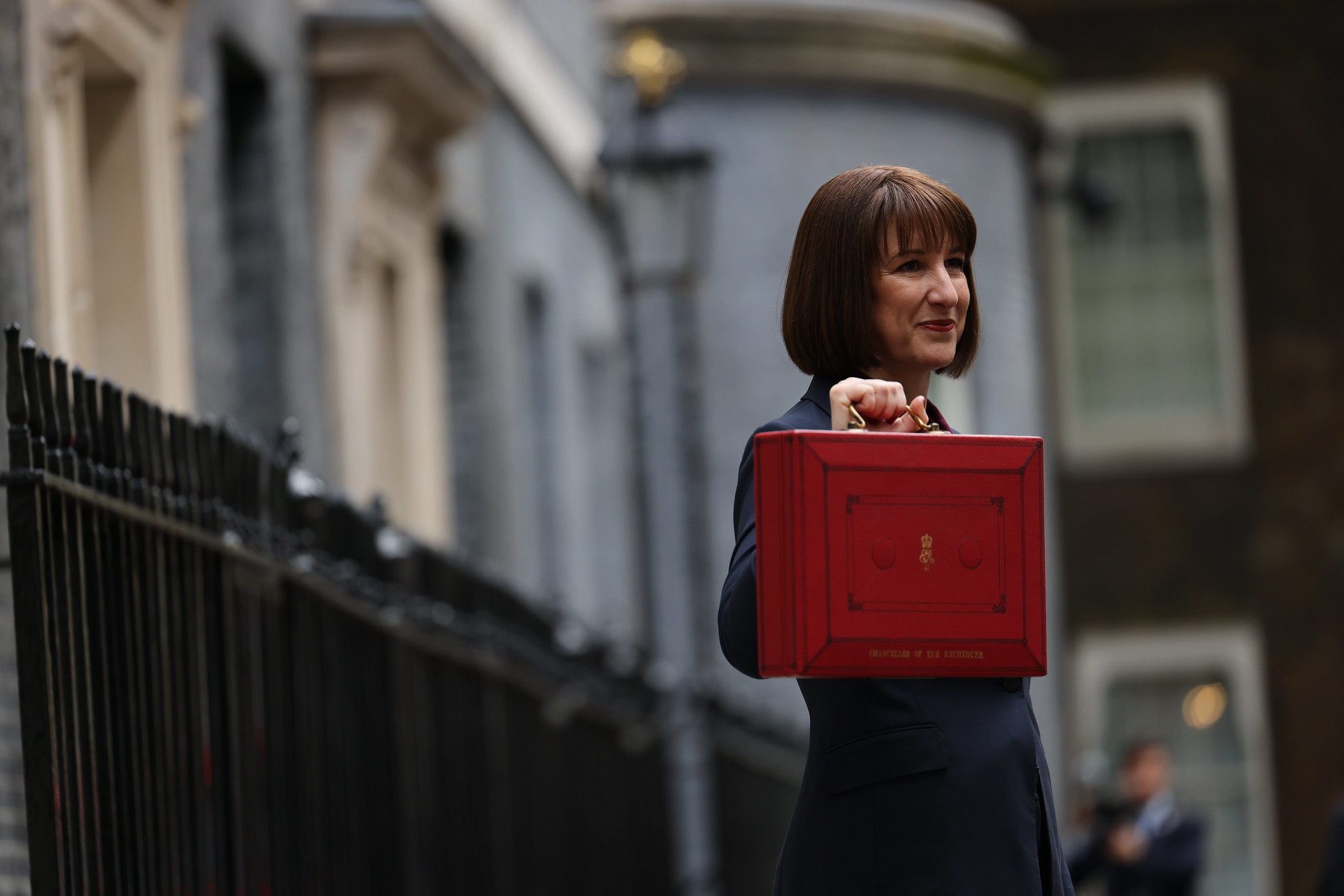
Chancellor Rachel Reeves delivered her second Budget today, prompting mixed reactions from the retail sector.

Reeves announced permanently lowered business rates for 750,000 retail, hospitality and leisure businesses, funded by higher rates for properties worth over £500,000 utilised by “warehouse giants”.

While the customs duty relief on low value goods under £135 will also be scrapped from March 2029 at the latest, preventing online retailers from undercutting high street retail business prices.

Additionally, millions of low-paid workers will see a 4.1% pay rise next year, with the minimum wage increase hailed by Usdaw.

Retail Gazette rounds up the reactions from the retail industry below.

Budget

Co-op group CEO Shirine Khoury-Haq: “Today’s Budget provides the clarity and certainty that small shops and local communities have been waiting for. 

“The government’s decision on business rates is a welcome and important step that will help protect jobs, strengthen local economies and support high streets across the country. 

“Co-op is stepping up alongside this commitment, facilitating over £1bn of spend into the UK economy over the next year. 

“This includes our biggest ever number of price reductions to help with the cost of living, continued investment in British farmers and suppliers, and a focus on keeping high streets vibrant and safe.” 

CBRE head of ratings Tim Attridge: “The Chancellor’s announcement on business rates is a welcome relief for some but not all. 

“Small businesses in the retail hospitality and leisure (RHL) sector are to benefit from permanently reduced rates whilst large retail portfolios on the high street and in the grocery sector will pay less in 2026 than in 2025.

“Other sectors will fare less well as draft values for the business rates tax will be published in the next 24 hours. Privately owned infrastructure will see bills rise between 3-5 times with pass through costs to the consumer inevitable.”

Budget The Retail Trust CEO Chris Brook-Carter: “It remains to be seen whether today’s Budget will do enough to reassure the UK retail industry ahead of the busiest shopping period of the year and amidst the ongoing uncertainty currently facing the sector from all sides. 

“Retail businesses are still reeling from the huge economic pressures placed on them in the last Budget and have been dealing with a fall in sales in October due to dampened consumer confidence as shoppers awaited today’s Budget. 

Our latest research has found 54% of retail workers are at risk of leaving their jobs and 44% are working while unwell due to the insecurity they and their employers face. Meanwhile 77% have told us they have experienced physical or verbal abuse this year, with 43% now coming under attack every week. 

“Retail is the largest employer outside of the public sector, is a gateway to work for many people, and binds our communities and high streets together. This is something we forget at our peril, and our concern is that job insecurity among employees could rise and that shoppers’ tensions will remain heightened over the coming months.”

Usdaw general secretary Joanne Thomas: “Today’s Budget shows that the government is serious about tackling child poverty, particularly for those in working households. 

“As one of the top seven wealthiest nations, it is unacceptable that millions of kids are growing up in poverty in the UK, with 7 in 10 of them in working households. That is a legacy of 14 years of Tory failure, which Labour is working to turn around. 

“Ending the Tories’ unfair two-child cap will help hundreds of thousands of children out of poverty. 

“Further action is already under consideration and Usdaw is participating in the Government’s reviews of the universally discredited Universal Credit system along with parental leave and pay. 

“All these initiatives should make a real difference to working families, as will another significant increase in minimum wage rates, the continuing rollout of new free breakfast clubs, new nurseries in primary schools and doubling free childcare to 30 hours a week.”

Budget PwC head of retail Jacqueline Windsor: “Today’s Budget brought some respite for the 85% of consumers who have told us that they are concerned about the cost of living, with one-year freezes on fuel duty and rail fares and a short-term cut to energy bills being the biggest impacts. 

“While these will be offset by longer-term indirect tax rises such as the freeze on income tax thresholds, in the short-term retail and hospitality businesses will hoping these measures bring spending momentum to what has been a slow start to the critical Golden Quarter in the run-up to Christmas. 

“Longer term, the Budget does not allay many consumer-facing businesses’ concerns about the cost of doing business.

“While there has been no repeat of the employee NICs rises from last year, the 4.1% increase in National Living Wage and even higher 8.5% increase in minimum wage for 18-20 year olds particularly affect the workforces of the retail and hospitality sectors. 

“While there will be reductions in business rates for smaller properties, the permanently higher multiplier for properties over £500,000 will affect larger stores, notably supermarkets and high street anchor stores, as well as warehouses. 

“This will inevitably put pressure on, for example, grocery prices that are already bucking the wider trend of lower inflation.”

British Retail Consortium (BRC) CEO Helen Dickinson: “It was a mixed bag Budget that offered relief for many shops, but brought in new costs for others. 

“Retailers face a delicate balancing act as they strive to invest, hire, and keep prices affordable. 

“The announced permanent reduction in retail business rates is an important step to reduce the industry’s burden from this broken tax. Yet the decision to include larger retail premises in the new surtax does little to support retail investment and job creation. 

“The welcome plan to scrap the damaging de minimis loophole was weakened by a 2029 deadline. 

“And while increases in the National Living Wage were in line with expectations, the rise to the minimum wage for under-21s could limit employment opportunities. 

“All in all, we will see winners and losers across retail and the impact for consumers will unfold in the coming months, but this Budget does not go far enough to mitigate the inflationary pressures already bearing down on the industry.”

Budget IGD chief economist James Walton: “This has been a tough Budget for shoppers, with government needing to raise significant sums of money, taking taxation to record levels.

“IGD expects food inflation to persist into 2027, with government policy contributing about a third of this pressure.

“Food inflation will run ahead of overall inflation, making food relatively more expensive. Therefore, food shoppers will remain extremely cautious and reluctant to spend and the operating environment for food businesses will remain extremely difficult.

“The next few years will be characterised by weak volume growth and tight profits across retail and away from home.

“It’s clear there’s no immediate relief on the horizon for consumers or businesses. The increased taxation will slow volume growth which means less investment for the future resilience of the food system.

“There are opportunities for growth out there and targeted policy changes could unlock this, especially in horticulture and poultry.

“These changes could release £5bn of investment and create 60,000 jobs, and that means genuine economic progress.”

RSM UK head of retail Jacqui Baker: “Levelling the playing field for UK retail seems to be a key theme in today’s budget.

Rates reform is a positive step for the high street retailers, but the system still needs to strike a fair balance so larger operators and online businesses aren’t disproportionately burdened.

“In addition, the Chancellor has closed the custom duty relief that allows small packages worth less than £135, into the UK without being charged import duties.

“This move could curb the flow of cheap goods flooding the market, but some care is required to ensure this doesn’t create friction at the border.

“The biggest blow is the 8.5% rise in national minimum wage which will acutely hit retailers, applying more pressure to wage costs, which could ultimately trigger staff cuts as operators strive to balance the books.”

MHA customs duty senior manager Andrew Thurston: “In a brief mention in today’s Budget, Chancellor Rachel Reeves confirmed a major shift in UK customs policy: the government plans to scrap the duty de minimis waiver for goods under £135 by March 2029.

“Low-value imports have soared, with HMRC data showing 1.6 million parcels arriving daily and the total value declared via the existing low value regime jumping from £3.8bn to £5.9bn in a year.

“The consultation proposes applying full customs tariffs, a possible admin fee, and replacing the existing process with a new dedicated system, with online marketplaces bearing responsibility for compliance and non-established sellers needing UK fiscal representatives.

“For consumers, the online shopping experience may stay the same, but costs will rise and the customs duty element will become more visible.

“As a result, the gap between online and high street prices will shrink, potentially encouraging shoppers to return to UK retailers. Gifts will remain exempt from duty.”

Linda Ellett, Head of Consumer, Retail and Leisure for KPMG UK“Many retailers have long called for business rates reform, as the age of e-commerce grew and the cost of bricks and mortar retail rose.

“Retailers will be diving into the detail of the changes announced today, with some set to gain and others set to lose, depending upon their respective rateable value.

“Those losing, will at least, welcome the acknowledgement of impact in the shape of transitional relief and hopefully some permanency of the new arrangement.

“UK-based online sellers will be more unanimous in their reaction to proposals to ensure that non-UK based online sellers don’t continue to gain a competitive advantage by not having to pay customs duty.  The key now will be how quickly the Government can make the change.”

Click here to sign up to Retail Gazette‘s free daily email newsletter

Feature ArticlesGeneral Retail

Leave a Reply

Your email address will not be published. Required fields are marked *

Fill out this field
Fill out this field
Please enter a valid email address.

Budget 2025: Retail industry reacts

Budget

Social


SUBSCRIBE TO OUR DAILY NEWSLETTER

  • This field is for validation purposes and should be left unchanged.

Chancellor Rachel Reeves delivered her second Budget today, prompting mixed reactions from the retail sector.

Reeves announced permanently lowered business rates for 750,000 retail, hospitality and leisure businesses, funded by higher rates for properties worth over £500,000 utilised by “warehouse giants”.

While the customs duty relief on low value goods under £135 will also be scrapped from March 2029 at the latest, preventing online retailers from undercutting high street retail business prices.

Additionally, millions of low-paid workers will see a 4.1% pay rise next year, with the minimum wage increase hailed by Usdaw.

Retail Gazette rounds up the reactions from the retail industry below.

Budget

Co-op group CEO Shirine Khoury-Haq: “Today’s Budget provides the clarity and certainty that small shops and local communities have been waiting for. 

“The government’s decision on business rates is a welcome and important step that will help protect jobs, strengthen local economies and support high streets across the country. 

“Co-op is stepping up alongside this commitment, facilitating over £1bn of spend into the UK economy over the next year. 

“This includes our biggest ever number of price reductions to help with the cost of living, continued investment in British farmers and suppliers, and a focus on keeping high streets vibrant and safe.” 

CBRE head of ratings Tim Attridge: “The Chancellor’s announcement on business rates is a welcome relief for some but not all. 

“Small businesses in the retail hospitality and leisure (RHL) sector are to benefit from permanently reduced rates whilst large retail portfolios on the high street and in the grocery sector will pay less in 2026 than in 2025.

“Other sectors will fare less well as draft values for the business rates tax will be published in the next 24 hours. Privately owned infrastructure will see bills rise between 3-5 times with pass through costs to the consumer inevitable.”

Budget The Retail Trust CEO Chris Brook-Carter: “It remains to be seen whether today’s Budget will do enough to reassure the UK retail industry ahead of the busiest shopping period of the year and amidst the ongoing uncertainty currently facing the sector from all sides. 

“Retail businesses are still reeling from the huge economic pressures placed on them in the last Budget and have been dealing with a fall in sales in October due to dampened consumer confidence as shoppers awaited today’s Budget. 

Our latest research has found 54% of retail workers are at risk of leaving their jobs and 44% are working while unwell due to the insecurity they and their employers face. Meanwhile 77% have told us they have experienced physical or verbal abuse this year, with 43% now coming under attack every week. 

“Retail is the largest employer outside of the public sector, is a gateway to work for many people, and binds our communities and high streets together. This is something we forget at our peril, and our concern is that job insecurity among employees could rise and that shoppers’ tensions will remain heightened over the coming months.”

Usdaw general secretary Joanne Thomas: “Today’s Budget shows that the government is serious about tackling child poverty, particularly for those in working households. 

“As one of the top seven wealthiest nations, it is unacceptable that millions of kids are growing up in poverty in the UK, with 7 in 10 of them in working households. That is a legacy of 14 years of Tory failure, which Labour is working to turn around. 

“Ending the Tories’ unfair two-child cap will help hundreds of thousands of children out of poverty. 

“Further action is already under consideration and Usdaw is participating in the Government’s reviews of the universally discredited Universal Credit system along with parental leave and pay. 

“All these initiatives should make a real difference to working families, as will another significant increase in minimum wage rates, the continuing rollout of new free breakfast clubs, new nurseries in primary schools and doubling free childcare to 30 hours a week.”

Budget PwC head of retail Jacqueline Windsor: “Today’s Budget brought some respite for the 85% of consumers who have told us that they are concerned about the cost of living, with one-year freezes on fuel duty and rail fares and a short-term cut to energy bills being the biggest impacts. 

“While these will be offset by longer-term indirect tax rises such as the freeze on income tax thresholds, in the short-term retail and hospitality businesses will hoping these measures bring spending momentum to what has been a slow start to the critical Golden Quarter in the run-up to Christmas. 

“Longer term, the Budget does not allay many consumer-facing businesses’ concerns about the cost of doing business.

“While there has been no repeat of the employee NICs rises from last year, the 4.1% increase in National Living Wage and even higher 8.5% increase in minimum wage for 18-20 year olds particularly affect the workforces of the retail and hospitality sectors. 

“While there will be reductions in business rates for smaller properties, the permanently higher multiplier for properties over £500,000 will affect larger stores, notably supermarkets and high street anchor stores, as well as warehouses. 

“This will inevitably put pressure on, for example, grocery prices that are already bucking the wider trend of lower inflation.”

British Retail Consortium (BRC) CEO Helen Dickinson: “It was a mixed bag Budget that offered relief for many shops, but brought in new costs for others. 

“Retailers face a delicate balancing act as they strive to invest, hire, and keep prices affordable. 

“The announced permanent reduction in retail business rates is an important step to reduce the industry’s burden from this broken tax. Yet the decision to include larger retail premises in the new surtax does little to support retail investment and job creation. 

“The welcome plan to scrap the damaging de minimis loophole was weakened by a 2029 deadline. 

“And while increases in the National Living Wage were in line with expectations, the rise to the minimum wage for under-21s could limit employment opportunities. 

“All in all, we will see winners and losers across retail and the impact for consumers will unfold in the coming months, but this Budget does not go far enough to mitigate the inflationary pressures already bearing down on the industry.”

Budget IGD chief economist James Walton: “This has been a tough Budget for shoppers, with government needing to raise significant sums of money, taking taxation to record levels.

“IGD expects food inflation to persist into 2027, with government policy contributing about a third of this pressure.

“Food inflation will run ahead of overall inflation, making food relatively more expensive. Therefore, food shoppers will remain extremely cautious and reluctant to spend and the operating environment for food businesses will remain extremely difficult.

“The next few years will be characterised by weak volume growth and tight profits across retail and away from home.

“It’s clear there’s no immediate relief on the horizon for consumers or businesses. The increased taxation will slow volume growth which means less investment for the future resilience of the food system.

“There are opportunities for growth out there and targeted policy changes could unlock this, especially in horticulture and poultry.

“These changes could release £5bn of investment and create 60,000 jobs, and that means genuine economic progress.”

RSM UK head of retail Jacqui Baker: “Levelling the playing field for UK retail seems to be a key theme in today’s budget.

Rates reform is a positive step for the high street retailers, but the system still needs to strike a fair balance so larger operators and online businesses aren’t disproportionately burdened.

“In addition, the Chancellor has closed the custom duty relief that allows small packages worth less than £135, into the UK without being charged import duties.

“This move could curb the flow of cheap goods flooding the market, but some care is required to ensure this doesn’t create friction at the border.

“The biggest blow is the 8.5% rise in national minimum wage which will acutely hit retailers, applying more pressure to wage costs, which could ultimately trigger staff cuts as operators strive to balance the books.”

MHA customs duty senior manager Andrew Thurston: “In a brief mention in today’s Budget, Chancellor Rachel Reeves confirmed a major shift in UK customs policy: the government plans to scrap the duty de minimis waiver for goods under £135 by March 2029.

“Low-value imports have soared, with HMRC data showing 1.6 million parcels arriving daily and the total value declared via the existing low value regime jumping from £3.8bn to £5.9bn in a year.

“The consultation proposes applying full customs tariffs, a possible admin fee, and replacing the existing process with a new dedicated system, with online marketplaces bearing responsibility for compliance and non-established sellers needing UK fiscal representatives.

“For consumers, the online shopping experience may stay the same, but costs will rise and the customs duty element will become more visible.

“As a result, the gap between online and high street prices will shrink, potentially encouraging shoppers to return to UK retailers. Gifts will remain exempt from duty.”

Linda Ellett, Head of Consumer, Retail and Leisure for KPMG UK“Many retailers have long called for business rates reform, as the age of e-commerce grew and the cost of bricks and mortar retail rose.

“Retailers will be diving into the detail of the changes announced today, with some set to gain and others set to lose, depending upon their respective rateable value.

“Those losing, will at least, welcome the acknowledgement of impact in the shape of transitional relief and hopefully some permanency of the new arrangement.

“UK-based online sellers will be more unanimous in their reaction to proposals to ensure that non-UK based online sellers don’t continue to gain a competitive advantage by not having to pay customs duty.  The key now will be how quickly the Government can make the change.”

Click here to sign up to Retail Gazette‘s free daily email newsletter

Feature ArticlesGeneral Retail

Leave a Reply

Your email address will not be published. Required fields are marked *

Fill out this field
Fill out this field
Please enter a valid email address.

RELATED STORIES

Latest Feature


Menu


Close popup

Please enter the verification code sent to your email: