The start of the year has seen various UK retailers invest in new stores.
In January, real estate agency Knight Frank reported “the pendulum of investment” in retail was “swinging back towards physical stores,” and noted there were “growing signs to suggest that structural change in retail may finally be playing out”.
Here, Retail Gazette looks at six retailers betting on bricks-and-mortar this year.
Co-op
Co-op is planning to launch 18 stores during the first quarter of the year, the retailer revealed at the end of January.
The stores will consist of both new sites and re-opened shops, following “transformative investment to enhance the shopping experience in high streets and communities”.
The convenience giant said that it was focused on creating stores that acted as a “hub locally” offering “great quality and value alongside added services”.
Seasalt
Clothing brand Seasalt unveiled an ambitious store expansion plan at the start of January, with plans to roll out new sites throughout 2026.
Last month, The Times reported that the Cornish business was in the final stages of signing for three new shops early this year.
Seasalt is also reportedly looking at additional openings later in 2026.
The retailer, which currently has 79 stores across the UK and Ireland, is believed to be targeting market towns for its new openings.
Seasalt also said that it saw an “ongoing opportunity” in the EU, with a focus on developing Eastern European and Scandinavian markets.
Lidl
Lidl is another retailer planning to launch new stores this year.
In January, it was reported that the German discounter was ramping up its UK expansion plans, and was set to open 19 new stores over the next eight weeks, while investing £40m to upgrade its existing estate.
The supermarket’s latest growth phase is set to see it launch branches across new areas, including Calne, in Wiltshire, and Brough, in Yorkshire.
As well as new shop openings, Lidl is committing £43m to refurbish more than 70 existing stores. The investment arrived shortly after the retailer opened its 1,000th store in Great Britain.
B&Q
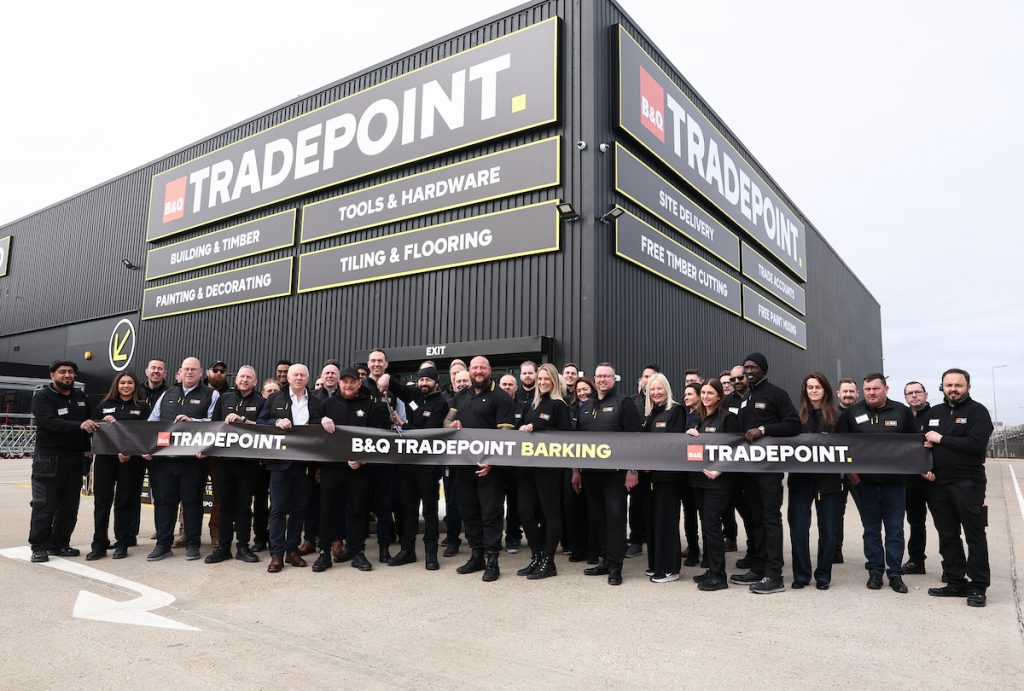
DIY giant B&Q recently revealed it is set to roll out a new trade-exclusive store format for its TradePoint brand, with its first standalone site set to open in Barking, in east London, in March.
The company said its new concept was aimed exclusively at trade professionals and would provide a one-to-one service, extended opening hours, speedy collection and delivery options, as well as access to thousands of trade-focused products and services.
The new Barking store is set to have a 32,000 sq ft sales area and stock more than 5,500 products, which will be available immediately, alongside an extended range of over 25,000 goods for collection or delivery.
B&Q said the launch marked a significant investment and a key step in its ambition to make TradePoint a £1bn business.
Toolstation
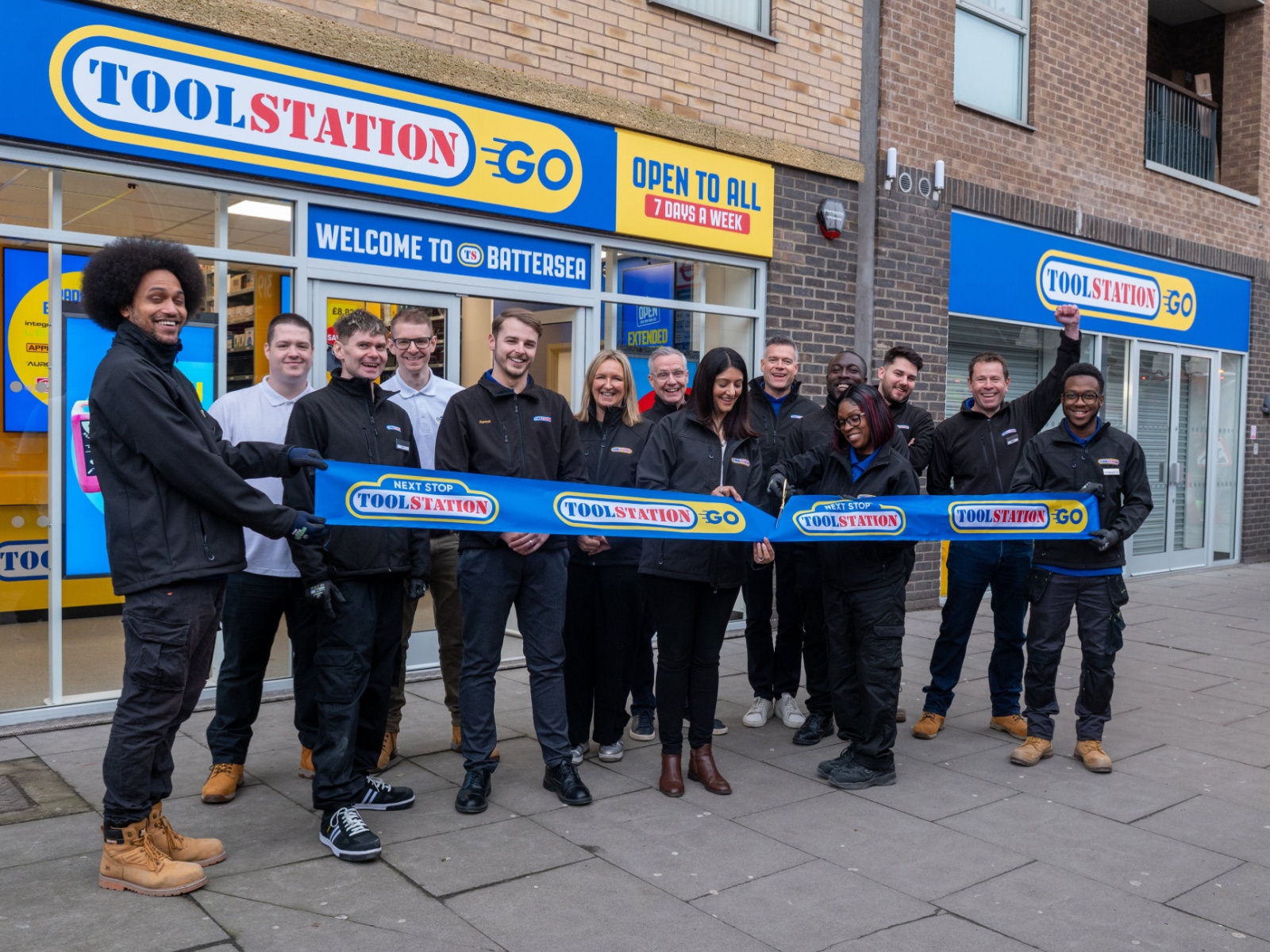
Last month Toolstation unveiled a new store format called Toolstation Go, designed to provide a “faster, more convenient way to shop”.
The DIY retailer has already opened its first Toolstation Go shop in Battersea, in south London, leading to eight new roles.
The new stores will be based in high street locations and allow customers to purchase tools, products and building supplies from “easy-to-access high street locations,” Toolstation said.
New features, including digital kiosks, have been added to the stores to help “streamline the shopping experience”.
Additionally, the company’s fast track service enables thousands of items to be delivered to sites or homes. Products are localised to stores and are updated and maintained based on customer and store insight.
Aldi
Aldi recently revealed it was investing £370m to launch 40 new shops under its two-year expansion programme.
The supermarket is set to develop new shops in Southam, in Warwickshire, Hastings, in East Sussex and Amersham, in Buckinghamshire.
The move forms part of Aldi’s £1.6bn investment, which was unveiled last year, as the business works towards its long-term ambition of opening 1,500 UK stores.
The announcement followed a successful expansion scheme in 2025, which saw the company launch new stores from Kirkintilloch, in East Dunbartonshire to Eastbourne, in East Sussex, as well as locations such as Fulham Broadway, London and Deeside, Wales.
Six retailers investing in bricks-and-mortar in 2026
The start of the year has seen various UK retailers invest in new stores.
In January, real estate agency Knight Frank reported “the pendulum of investment” in retail was “swinging back towards physical stores,” and noted there were “growing signs to suggest that structural change in retail may finally be playing out”.
Here, Retail Gazette looks at six retailers betting on bricks-and-mortar this year.
Co-op
Co-op is planning to launch 18 stores during the first quarter of the year, the retailer revealed at the end of January.
The stores will consist of both new sites and re-opened shops, following “transformative investment to enhance the shopping experience in high streets and communities”.
The convenience giant said that it was focused on creating stores that acted as a “hub locally” offering “great quality and value alongside added services”.
Seasalt
Clothing brand Seasalt unveiled an ambitious store expansion plan at the start of January, with plans to roll out new sites throughout 2026.
Last month, The Times reported that the Cornish business was in the final stages of signing for three new shops early this year.
Seasalt is also reportedly looking at additional openings later in 2026.
The retailer, which currently has 79 stores across the UK and Ireland, is believed to be targeting market towns for its new openings.
Seasalt also said that it saw an “ongoing opportunity” in the EU, with a focus on developing Eastern European and Scandinavian markets.
Lidl
Lidl is another retailer planning to launch new stores this year.
In January, it was reported that the German discounter was ramping up its UK expansion plans, and was set to open 19 new stores over the next eight weeks, while investing £40m to upgrade its existing estate.
The supermarket’s latest growth phase is set to see it launch branches across new areas, including Calne, in Wiltshire, and Brough, in Yorkshire.
As well as new shop openings, Lidl is committing £43m to refurbish more than 70 existing stores. The investment arrived shortly after the retailer opened its 1,000th store in Great Britain.
B&Q
DIY giant B&Q recently revealed it is set to roll out a new trade-exclusive store format for its TradePoint brand, with its first standalone site set to open in Barking, in east London, in March.
The company said its new concept was aimed exclusively at trade professionals and would provide a one-to-one service, extended opening hours, speedy collection and delivery options, as well as access to thousands of trade-focused products and services.
The new Barking store is set to have a 32,000 sq ft sales area and stock more than 5,500 products, which will be available immediately, alongside an extended range of over 25,000 goods for collection or delivery.
B&Q said the launch marked a significant investment and a key step in its ambition to make TradePoint a £1bn business.
Toolstation
Last month Toolstation unveiled a new store format called Toolstation Go, designed to provide a “faster, more convenient way to shop”.
The DIY retailer has already opened its first Toolstation Go shop in Battersea, in south London, leading to eight new roles.
The new stores will be based in high street locations and allow customers to purchase tools, products and building supplies from “easy-to-access high street locations,” Toolstation said.
New features, including digital kiosks, have been added to the stores to help “streamline the shopping experience”.
Additionally, the company’s fast track service enables thousands of items to be delivered to sites or homes. Products are localised to stores and are updated and maintained based on customer and store insight.
Aldi
Aldi recently revealed it was investing £370m to launch 40 new shops under its two-year expansion programme.
The supermarket is set to develop new shops in Southam, in Warwickshire, Hastings, in East Sussex and Amersham, in Buckinghamshire.
The move forms part of Aldi’s £1.6bn investment, which was unveiled last year, as the business works towards its long-term ambition of opening 1,500 UK stores.
The announcement followed a successful expansion scheme in 2025, which saw the company launch new stores from Kirkintilloch, in East Dunbartonshire to Eastbourne, in East Sussex, as well as locations such as Fulham Broadway, London and Deeside, Wales.
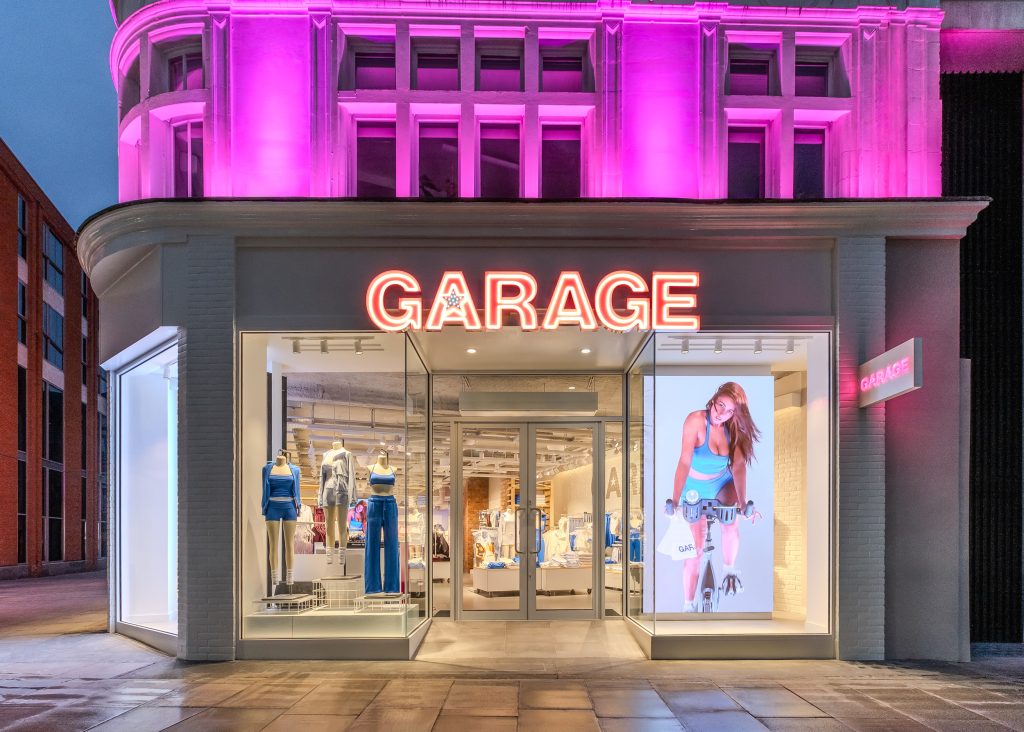
Retail Gazette caught up with Lufty during Garage’s Oxford street opening to talk about its UK debut, capturing the y2k movement and the importance of supply chain.
Please enter the verification code sent to your email:
Manage Cookie Consent
To provide the best experiences, we use technologies like cookies to store and/or access device information. Consenting to these technologies will allow us to process data such as browsing behaviour or unique IDs on this site. Not consenting or withdrawing consent, may adversely affect certain features and functions.
Functional
Always active
The technical storage or access is strictly necessary for the legitimate purpose of enabling the use of a specific service explicitly requested by the subscriber or user, or for the sole purpose of carrying out the transmission of a communication over an electronic communications network.
Preferences
The technical storage or access is necessary for the legitimate purpose of storing preferences that are not requested by the subscriber or user.
Statistics
The technical storage or access that is used exclusively for statistical purposes.The technical storage or access that is used exclusively for anonymous statistical purposes. Without a subpoena, voluntary compliance on the part of your Internet Service Provider, or additional records from a third party, information stored or retrieved for this purpose alone cannot usually be used to identify you.
Statistics
The technical storage or access that is used exclusively for anonymous statistical purposes. Without a subpoena, voluntary compliance on the part of your Internet Service Provider, or additional records from a third party, information stored or retrieved for this purpose alone cannot usually be used to identify you.



 Lidl
Lidl