ABF poised to reveal outcome of Primark and food demerger review

In-StoreNews

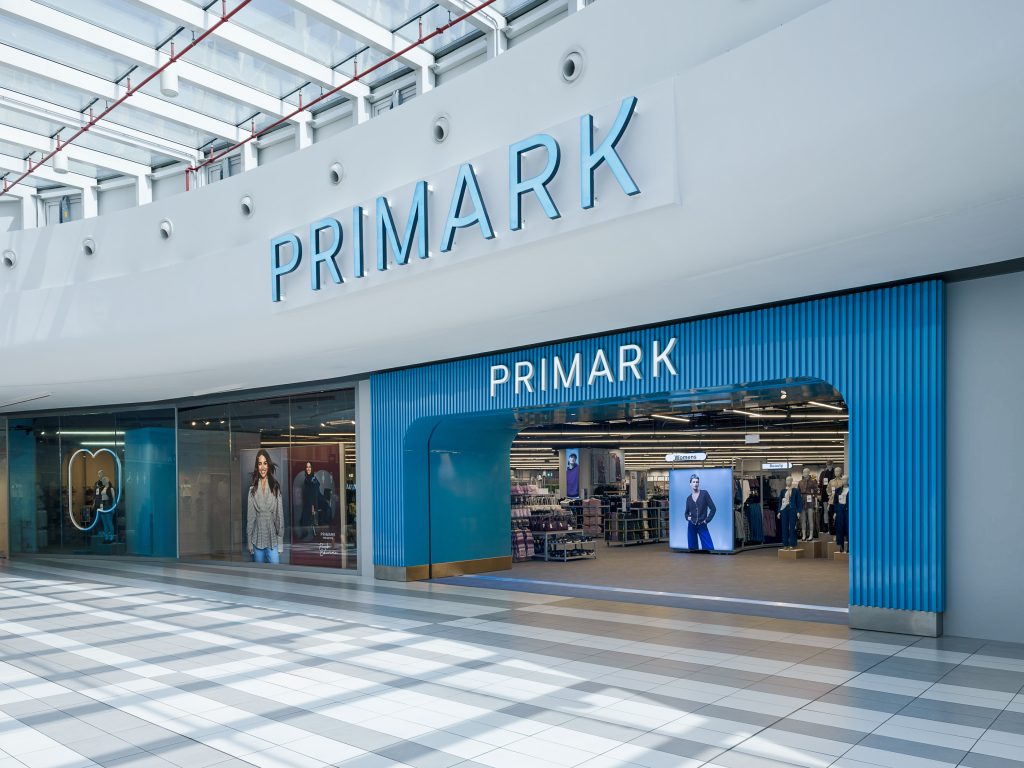
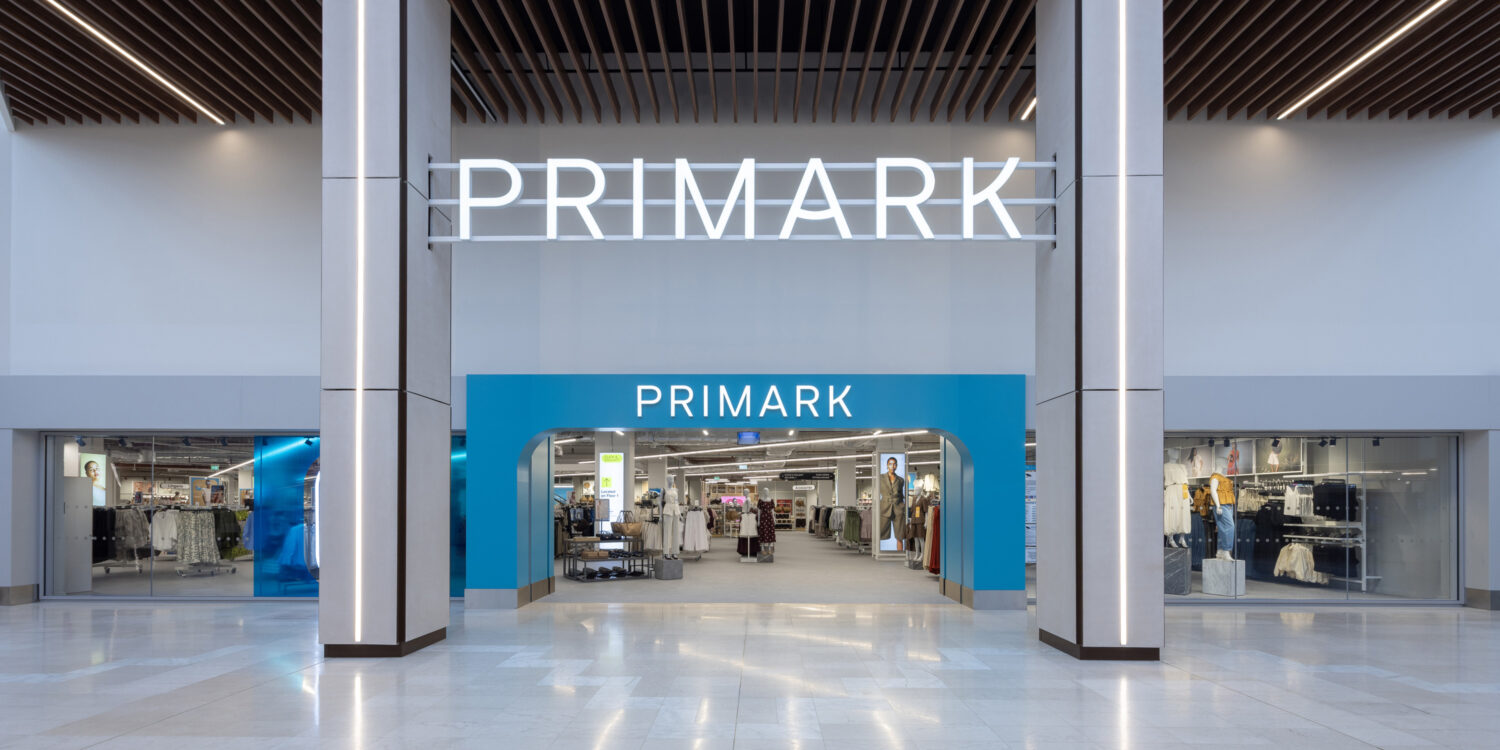
Associated British Foods is expected to reveal this week whether it will press ahead with plans to split Primark from its wider grocery and ingredients empire.

The FTSE 100 group, which owns Primark alongside grocery, bakery, sugar and ingredients businesses including Kingsmill, Twinings, Blue Dragon, Patak’s and Jordans, will report its half-year results on Tuesday.

ABF said at the time that it was exploring a potential separation of its fashion and food operations following a strategic review carried out with Rothschild & Co, with the aim of “maximising long-term value”.

That review was launched against a backdrop of subdued trading, and pressure has only intensified since then. In January, the group warned that annual sales were likely to be flat year on year, with profits also expected to fall. Since then, wider geopolitical disruption and rising costs have added a further layer of uncertainty.

Richard Chamberlain, retail analyst at RBC Capital Markets, said the demerger still “makes sense given the lack of synergy between the two parts of the business”, although he noted that the growth outlook for both remains challenging.

That lack of synergy has become a central part of the investment case for a break-up.

Primark has long dominated attention within ABF, often overshadowing a food portfolio that stretches from grocery staples to industrial ingredients. According to Shore Capital analyst Clive Black, around 95 per cent of analyst focus is on Primark, despite ABF also being a top-three global sugar producer and the world’s second-largest yeast supplier.

A separation would allow investors to value Primark on its own merits, rather than as part of a sprawling conglomerate structure that many believe masks the strengths and weaknesses of both businesses.

However, that greater clarity would also bring greater scrutiny.

As a standalone company, Primark would likely find itself more directly compared with global fashion rivals such as H&M and Inditex at a time when the value fashion market is becoming more crowded and more volatile.

Primark is already facing mounting pressure from ultra-fast-fashion players including Shein and Temu, as well as the growing popularity of resale platforms such as Vinted.

At the same time, ABF’s food and ingredients arm is contending with its own set of challenges.

The group is currently involved in a competition investigation linked to the proposed combination of its Allied Bakeries business, owner of Kingsmill, with rival Hovis. ABF has already offered to sell its Northern Irish operations in an effort to address regulatory concerns.

Further pressure is coming from the wider economic environment. Instability in the Middle East could deepen cost challenges across the group, particularly if the conflict leads to sustained increases in petrochemical, fertiliser, natural gas and freight costs.

Darren Shirley, analyst at Shore Capital, said he would not be surprised if ABF had begun to experience “additional trading and cost headwinds” since the outbreak of the Iran conflict, with possible longer-term implications for commodity pricing globally.

While Primark is also exposed to higher shipping and sourcing costs, the impact could prove even more significant for ABF’s food arm.

Agriculture-linked input costs would be particularly vulnerable if the conflict drags on and begins to influence pricing across fertilisers and energy markets.

Against that backdrop, George Weston faces a significant strategic decision. The ABF chief executive, whose family controls nearly 59 per cent of the business, has traditionally benefited from the group’s diversified structure. The steady cash generation of the food arm has helped underpin Primark’s international growth, offering a buffer during tougher retail periods.

That support has been especially valuable in recent years. Primark delivered revenue growth of 61 per cent between 2020 and 2024, helping reinforce the fortunes of the Weston family, whose wealth has been estimated at £17.7bn.

Yet despite that success, ABF’s shares have fallen 14 per cent over the past year, implying investor concern over slowing momentum and the wider uncertainty surrounding the business.

Recent management changes at Primark have only added to the sense that a demerger is drawing closer.

Last month, Eoin Tonge, the former finance chief at ABF, M&S and Greencore, was appointed permanent chief executive of Primark following the departure of Paul Marchant.

His appointment has been widely viewed as a sign that the fashion chain is being prepared for life as a standalone listed company.

It is understood that Tonge, along with newly appointed chief commercial officer Filip Ekvall, formerly of H&M, would remain in post if the split goes ahead.

Even so, the timing remains delicate. Consumer confidence is fragile, cost inflation is creeping back into focus and both food and fashion face stiff competition.

Primark is continuing its expansion plans in the Middle East, where it is opening five new stores, but the wider environment is far from straightforward.

Click here to sign up to Retail Gazette‘s free daily email newsletter

In-StoreNews

Leave a Reply

Your email address will not be published. Required fields are marked *

Fill out this field
Fill out this field
Please enter a valid email address.

In-StoreNews

Share:

ABF poised to reveal outcome of Primark and food demerger review

Associated British Foods is expected to reveal this week whether it will press ahead with plans to split Primark from its wider grocery and ingredients empire.

The FTSE 100 group, which owns Primark alongside grocery, bakery, sugar and ingredients businesses including Kingsmill, Twinings, Blue Dragon, Patak’s and Jordans, will report its half-year results on Tuesday.

ABF said at the time that it was exploring a potential separation of its fashion and food operations following a strategic review carried out with Rothschild & Co, with the aim of “maximising long-term value”.

That review was launched against a backdrop of subdued trading, and pressure has only intensified since then. In January, the group warned that annual sales were likely to be flat year on year, with profits also expected to fall. Since then, wider geopolitical disruption and rising costs have added a further layer of uncertainty.

Richard Chamberlain, retail analyst at RBC Capital Markets, said the demerger still “makes sense given the lack of synergy between the two parts of the business”, although he noted that the growth outlook for both remains challenging.

That lack of synergy has become a central part of the investment case for a break-up.

Primark has long dominated attention within ABF, often overshadowing a food portfolio that stretches from grocery staples to industrial ingredients. According to Shore Capital analyst Clive Black, around 95 per cent of analyst focus is on Primark, despite ABF also being a top-three global sugar producer and the world’s second-largest yeast supplier.

A separation would allow investors to value Primark on its own merits, rather than as part of a sprawling conglomerate structure that many believe masks the strengths and weaknesses of both businesses.

However, that greater clarity would also bring greater scrutiny.

As a standalone company, Primark would likely find itself more directly compared with global fashion rivals such as H&M and Inditex at a time when the value fashion market is becoming more crowded and more volatile.

Primark is already facing mounting pressure from ultra-fast-fashion players including Shein and Temu, as well as the growing popularity of resale platforms such as Vinted.

At the same time, ABF’s food and ingredients arm is contending with its own set of challenges.

The group is currently involved in a competition investigation linked to the proposed combination of its Allied Bakeries business, owner of Kingsmill, with rival Hovis. ABF has already offered to sell its Northern Irish operations in an effort to address regulatory concerns.

Further pressure is coming from the wider economic environment. Instability in the Middle East could deepen cost challenges across the group, particularly if the conflict leads to sustained increases in petrochemical, fertiliser, natural gas and freight costs.

Darren Shirley, analyst at Shore Capital, said he would not be surprised if ABF had begun to experience “additional trading and cost headwinds” since the outbreak of the Iran conflict, with possible longer-term implications for commodity pricing globally.

While Primark is also exposed to higher shipping and sourcing costs, the impact could prove even more significant for ABF’s food arm.

Agriculture-linked input costs would be particularly vulnerable if the conflict drags on and begins to influence pricing across fertilisers and energy markets.

Against that backdrop, George Weston faces a significant strategic decision. The ABF chief executive, whose family controls nearly 59 per cent of the business, has traditionally benefited from the group’s diversified structure. The steady cash generation of the food arm has helped underpin Primark’s international growth, offering a buffer during tougher retail periods.

That support has been especially valuable in recent years. Primark delivered revenue growth of 61 per cent between 2020 and 2024, helping reinforce the fortunes of the Weston family, whose wealth has been estimated at £17.7bn.

Yet despite that success, ABF’s shares have fallen 14 per cent over the past year, implying investor concern over slowing momentum and the wider uncertainty surrounding the business.

Recent management changes at Primark have only added to the sense that a demerger is drawing closer.

Last month, Eoin Tonge, the former finance chief at ABF, M&S and Greencore, was appointed permanent chief executive of Primark following the departure of Paul Marchant.

His appointment has been widely viewed as a sign that the fashion chain is being prepared for life as a standalone listed company.

It is understood that Tonge, along with newly appointed chief commercial officer Filip Ekvall, formerly of H&M, would remain in post if the split goes ahead.

Even so, the timing remains delicate. Consumer confidence is fragile, cost inflation is creeping back into focus and both food and fashion face stiff competition.

Primark is continuing its expansion plans in the Middle East, where it is opening five new stores, but the wider environment is far from straightforward.

Click here to sign up to Retail Gazette‘s free daily email newsletter

Social


SUBSCRIBE TO OUR DAILY NEWSLETTER

  • This field is for validation purposes and should be left unchanged.
In-StoreNews

Leave a Reply

Your email address will not be published. Required fields are marked *

Fill out this field
Fill out this field
Please enter a valid email address.

RELATED STORIES

Latest Feature


Menu


Close popup

Please enter the verification code sent to your email: