
Comment: Should AI be used to design adverts?

AI has no place in the arts is something many people believe, both in the creative industries and outside of it. And its a statement I'm inclined to agree with.
CommentMarketing

AI has no place in the arts is something many people believe, both in the creative industries and outside of it. And its a statement I’m inclined to agree with.

Writing, art, film and music should be a purely human process, one that doesn’t require the aid of Artificial Intelligence.

But the line might not be so easily drawn when it comes to advertising. Advertising can be artistic and it’s certainly creative, but it’s also a multi-billion dollar industry. And creatives have constraints they need to work to, whether those be time or budget.

And AI can help them, there’s no doubt about that, whether that’s by helping to draft an email, synchronising processes, assisting with research or more controversially assisting with the actual creative process.

But should it?

A report from the from the UK Government Digital Sustainability Alliance (GDSA) predicts that AI will increase the worlds water usage from 1.1bn to 6.6bn cubic metres in 2027.

The World Economic Forum Report on Global Risks believes that “adverse impacts of AI technologies” and “biodiversity loss and ecosystem collapse” will pose significant risks to the environment in the next 10 years.

And in my opinion that risk just isn’t worth it.

However, it would remiss of me not to acknowledge that the GDSA has laid out measures that AI firms can use to become more sustainable, which include placing data centres in areas not at risk from water stress and investing in new cooling methods such as air cooling, which do not utilise as much water (whether the big tech firm’s pay attention to this is another matter).

And aside from the environmental impact, AI also takes away individuality. When you use AI in the creative process, work becomes technically perfect but often loses the human “voice”.


However, many brands and agencies would disagree with me.

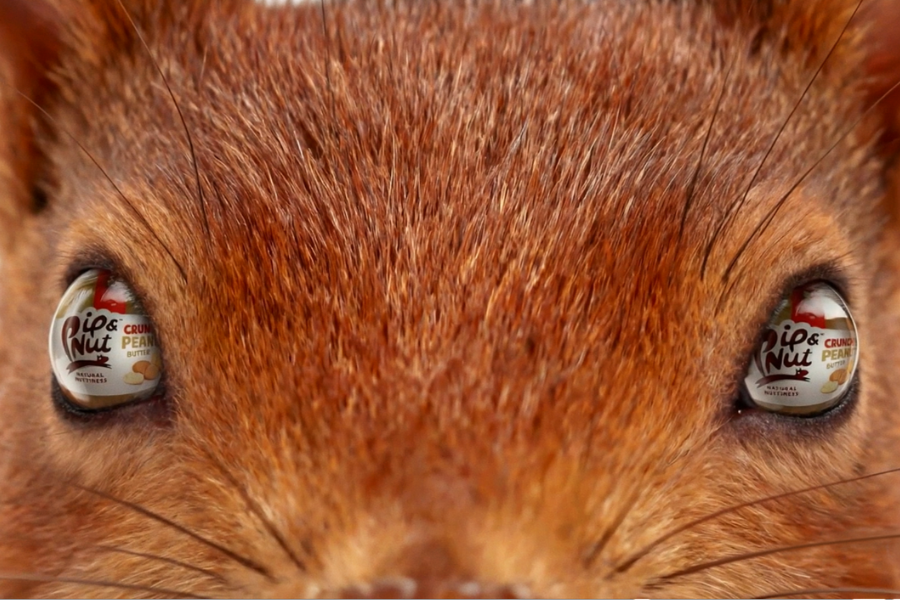
Just recently peanut butter brand Pip and Nut used AI to bring to life their new mascot. The brand disclosed that the squirrel used in its marketing drive was originally photographed in Sweden by a wildlife photographer and then animated using AI.

The advert was devised by director Ali Dickinson alongside Pip and Nut’s in-house creative team. It was  produced by creative agency and AI studio Scary Robots.

The AI mascot has garnered plenty of attention on LinkedIn, much of it positive with many loving the little squirrel and the accompanying advert.

The ad received a 5.9 “Exceptional” Star Rating, from System1, which puts it in the top one per cent of all TV adverts.

This is a vastly different response to that of Coca Cola’s AI generated 2025 Christmas ad, ‘Holidays Are Coming’. Many viewers called out the ad, believing it to be “creepy” and “uncanny”. And the reaction to its 2024 AI generated Christmas ad wasn’t much different.

So why was the reaction to Pip and Nut so different?

Well, for one thing, Pip and Nut used real imagery which it then used AI to animate, whereas the Coca Cola ad was almost entirely AI generated. Another reason audiences could have reacted so strongly was that you could tell the Coca Cola ad was AI. Something just seemed a little off with it.

And audiences hated it.

Though one might argue that the Pip and Nut ad might reflect a change in opinions. But as someone who is chronically online, I don’t believe that is the case.

The ad had positive comments in one silo – a post by the CEO. That doesn’t reflect the opinions of everyone in the country, just one select group of the public, whose opinions seem to align with the brands.

And there are plenty of people online who still view anything AI as ‘slop’. A YouGov study showed that while 34 per cent of UK adults use AI frequently, 42  per cent of respondents did not trust it. And 75 per cent believe it could “pose a threat” to humanity.

This distrust can leave marketers in a tricky position, how do they get consumers to trust their marketing campaigns, if shoppers distrust any AI use in campaigns?

Well the obvious answer is to not use AI at all. But in today’s changing world that may not be possible. One solution may be to take the Pip and Nut approach, use AI when designing the creative but only partially. Another is to ignore the consumer entirely and use AI anyway.

Or they may choose to use leave AI out of the advertising creation but use it to send hyper personalised ads to consumers instead, which they may trust more. A market research report from Worldmetrics found 74 per cent of consumers preferred ads tailored by AI to their behaviour.

But whatever method marketers choose, one thing is for sure – they can’t keep everyone happy.

Click here to sign up to Retail Gazette‘s free daily email newsletter

CommentMarketing

Leave a Reply

Your email address will not be published. Required fields are marked *

Fill out this field
Fill out this field
Please enter a valid email address.

CommentMarketing

Share:

Comment: Should AI be used to design adverts?

AI has no place in the arts is something many people believe, both in the creative industries and outside of it. And its a statement I'm inclined to agree with.

AI has no place in the arts is something many people believe, both in the creative industries and outside of it. And its a statement I’m inclined to agree with.

Writing, art, film and music should be a purely human process, one that doesn’t require the aid of Artificial Intelligence.

But the line might not be so easily drawn when it comes to advertising. Advertising can be artistic and it’s certainly creative, but it’s also a multi-billion dollar industry. And creatives have constraints they need to work to, whether those be time or budget.

And AI can help them, there’s no doubt about that, whether that’s by helping to draft an email, synchronising processes, assisting with research or more controversially assisting with the actual creative process.

But should it?

A report from the from the UK Government Digital Sustainability Alliance (GDSA) predicts that AI will increase the worlds water usage from 1.1bn to 6.6bn cubic metres in 2027.

The World Economic Forum Report on Global Risks believes that “adverse impacts of AI technologies” and “biodiversity loss and ecosystem collapse” will pose significant risks to the environment in the next 10 years.

And in my opinion that risk just isn’t worth it.

However, it would remiss of me not to acknowledge that the GDSA has laid out measures that AI firms can use to become more sustainable, which include placing data centres in areas not at risk from water stress and investing in new cooling methods such as air cooling, which do not utilise as much water (whether the big tech firm’s pay attention to this is another matter).

And aside from the environmental impact, AI also takes away individuality. When you use AI in the creative process, work becomes technically perfect but often loses the human “voice”.


However, many brands and agencies would disagree with me.

Just recently peanut butter brand Pip and Nut used AI to bring to life their new mascot. The brand disclosed that the squirrel used in its marketing drive was originally photographed in Sweden by a wildlife photographer and then animated using AI.

The advert was devised by director Ali Dickinson alongside Pip and Nut’s in-house creative team. It was  produced by creative agency and AI studio Scary Robots.

The AI mascot has garnered plenty of attention on LinkedIn, much of it positive with many loving the little squirrel and the accompanying advert.

The ad received a 5.9 “Exceptional” Star Rating, from System1, which puts it in the top one per cent of all TV adverts.

This is a vastly different response to that of Coca Cola’s AI generated 2025 Christmas ad, ‘Holidays Are Coming’. Many viewers called out the ad, believing it to be “creepy” and “uncanny”. And the reaction to its 2024 AI generated Christmas ad wasn’t much different.

So why was the reaction to Pip and Nut so different?

Well, for one thing, Pip and Nut used real imagery which it then used AI to animate, whereas the Coca Cola ad was almost entirely AI generated. Another reason audiences could have reacted so strongly was that you could tell the Coca Cola ad was AI. Something just seemed a little off with it.

And audiences hated it.

Though one might argue that the Pip and Nut ad might reflect a change in opinions. But as someone who is chronically online, I don’t believe that is the case.

The ad had positive comments in one silo – a post by the CEO. That doesn’t reflect the opinions of everyone in the country, just one select group of the public, whose opinions seem to align with the brands.

And there are plenty of people online who still view anything AI as ‘slop’. A YouGov study showed that while 34 per cent of UK adults use AI frequently, 42  per cent of respondents did not trust it. And 75 per cent believe it could “pose a threat” to humanity.

This distrust can leave marketers in a tricky position, how do they get consumers to trust their marketing campaigns, if shoppers distrust any AI use in campaigns?

Well the obvious answer is to not use AI at all. But in today’s changing world that may not be possible. One solution may be to take the Pip and Nut approach, use AI when designing the creative but only partially. Another is to ignore the consumer entirely and use AI anyway.

Or they may choose to use leave AI out of the advertising creation but use it to send hyper personalised ads to consumers instead, which they may trust more. A market research report from Worldmetrics found 74 per cent of consumers preferred ads tailored by AI to their behaviour.

But whatever method marketers choose, one thing is for sure – they can’t keep everyone happy.

Click here to sign up to Retail Gazette‘s free daily email newsletter
Social


SUBSCRIBE TO OUR DAILY NEWSLETTER

  • This field is for validation purposes and should be left unchanged.
CommentMarketing

Leave a Reply

Your email address will not be published. Required fields are marked *

Fill out this field
Fill out this field
Please enter a valid email address.

RELATED STORIES

Latest Feature


Menu


Close popup

Please enter the verification code sent to your email: