

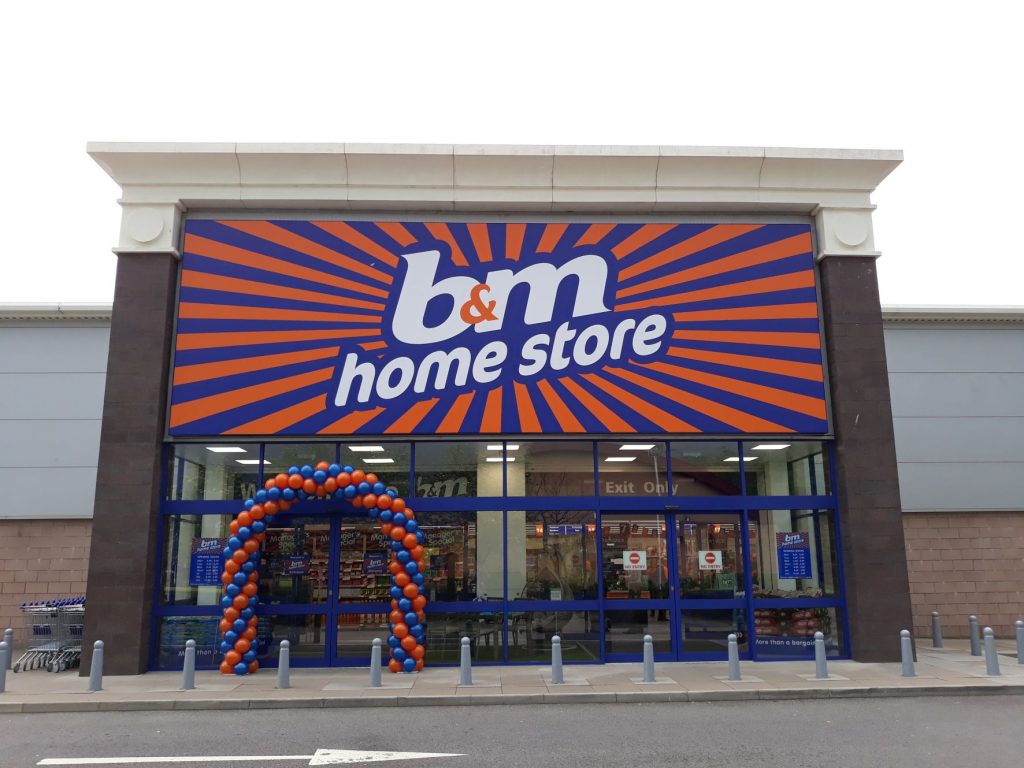
B&M chief executive Tjeerd Jegen has admitted the discount retailer’s recent struggles were partly self-inflicted, as pressure mounts across the wider value retail sector.
Speaking to The Times, Jegen said B&M had failed to get key parts of its proposition right, with weak pricing, underwhelming promotions and an overly complicated product range.
“Our pricing wasn’t great, promotions weren’t sharp enough and our range was too overwhelming for customers,” he said.
The comments come as shares in B&M have more than halved since the pandemic, reflecting a tougher backdrop for several major discount retailers.
B&M is now cutting between 20 per cent and 25 per cent of its product range as part of a turnaround plan designed to simplify stores and improve value perception.
Jegen said he expected the changes to become visible over this year and next year, adding that B&M remained well placed to benefit from shoppers looking for value.
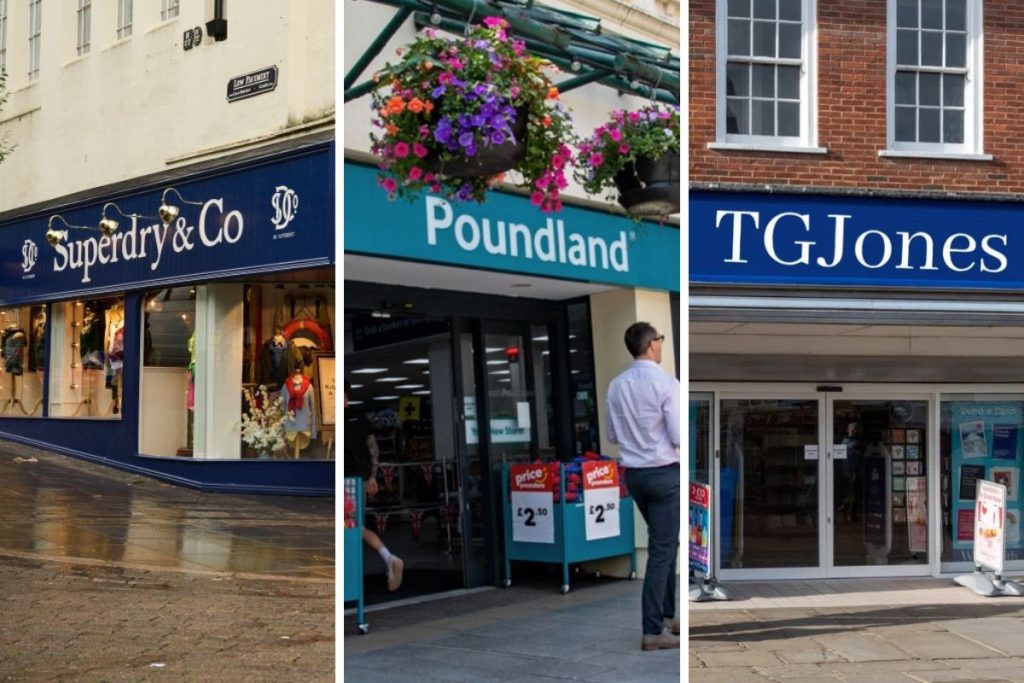
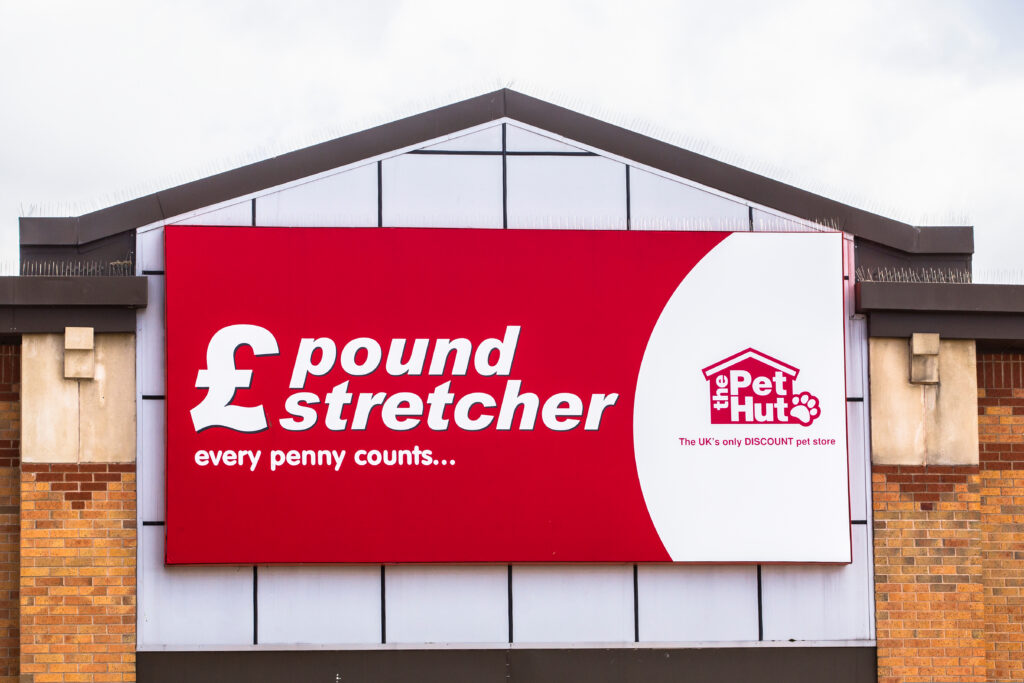
The wider discount sector has also come under pressure. Poundstretcher has warned that it could collapse if its rescue plan is not approved by the High Court next week, while Poundland is undergoing a major restructuring after being sold to Gordon Brothers for £1.
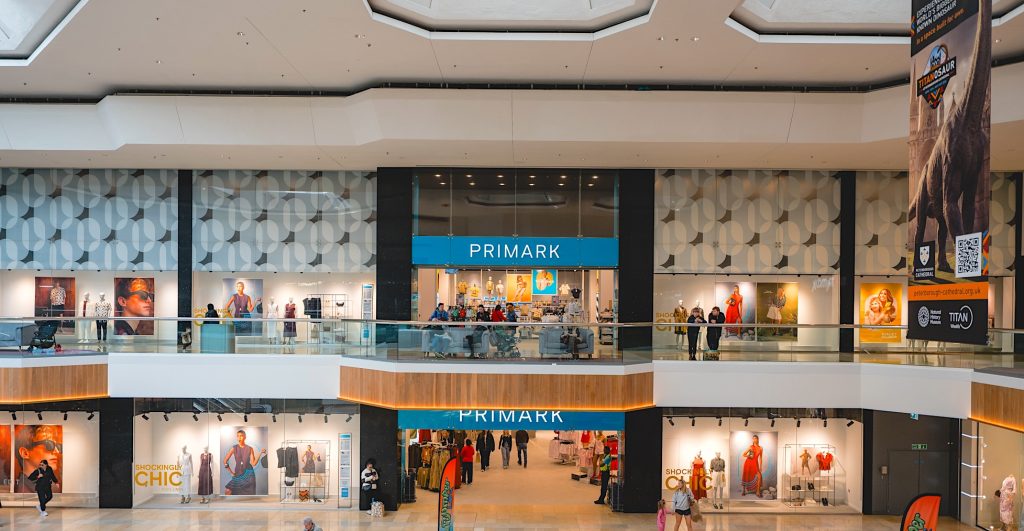
Primark has also warned of softer demand, while Dutch discount chain Action has reported slowing sales growth.
Although the UK discount retail market remains worth around £43.5 billion, analysts said the sector had entered a more challenging phase after years of rapid expansion during the pandemic and cost-of-living crisis.
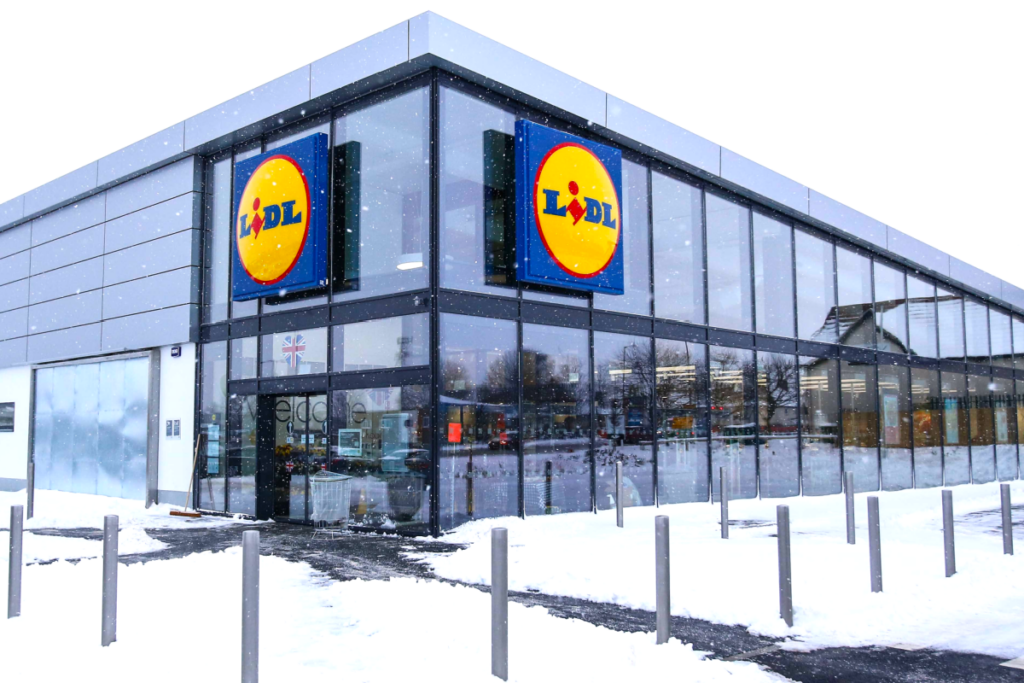
GlobalData figures show that the combined UK market share of major discounters, including Aldi, Lidl, B&M, Poundland, Poundstretcher and Primark, rose from 8.55 per cent in 2019 to 10.39 per cent last year.
However, excluding Aldi and Lidl, discount market share peaked at 4.13 per cent in 2022 before falling to 3.92 per cent last year.
GlobalData retail analyst Sofie Willmott said mainstream retailers had strengthened their value credentials, with Tesco and Sainsbury’s expanding loyalty-led pricing and M&S focusing on quality at more affordable prices.
She said shoppers were now prioritising value for money rather than low prices alone, making traditional discounters less compelling.
Retail analyst Richard Hyman said the discount model was not broken, but that retailers had less margin for error.
“The discount boom isn’t over,” he said, adding that tougher economics meant retailers had less room for poor pricing or weaker ranges.
Analysts also pointed to growing competition from online low-cost platforms such as Temu, Shein and Joybuy, as well as the rise of resale platforms including Vinted and Depop in fashion.
Despite the slowdown, IGD forecasts the UK discount sector will grow at a compound annual growth rate of 4.8 per cent through to 2030, driven by continued demand for value and pressure on household budgets.
Click here to sign up to Retail Gazette‘s free daily email newsletter