

Many of the world’s food companies are failing to turn animal welfare commitments into meaningful action, according to the latest Business Benchmark on Farm Animal Welfare report.
The annual benchmark, which assesses 149 global food businesses, found that while ambition is increasing, implementation across supply chains remains slow, showcasing a widening gap between pledges and delivery.
Among the top performers, Marks & Spencer, Premier Foods, Waitrose and Greggs were ranked in Tier 2, the highest level achieved this year, however, the report also highlighted that progress across the wider industry is uneven.
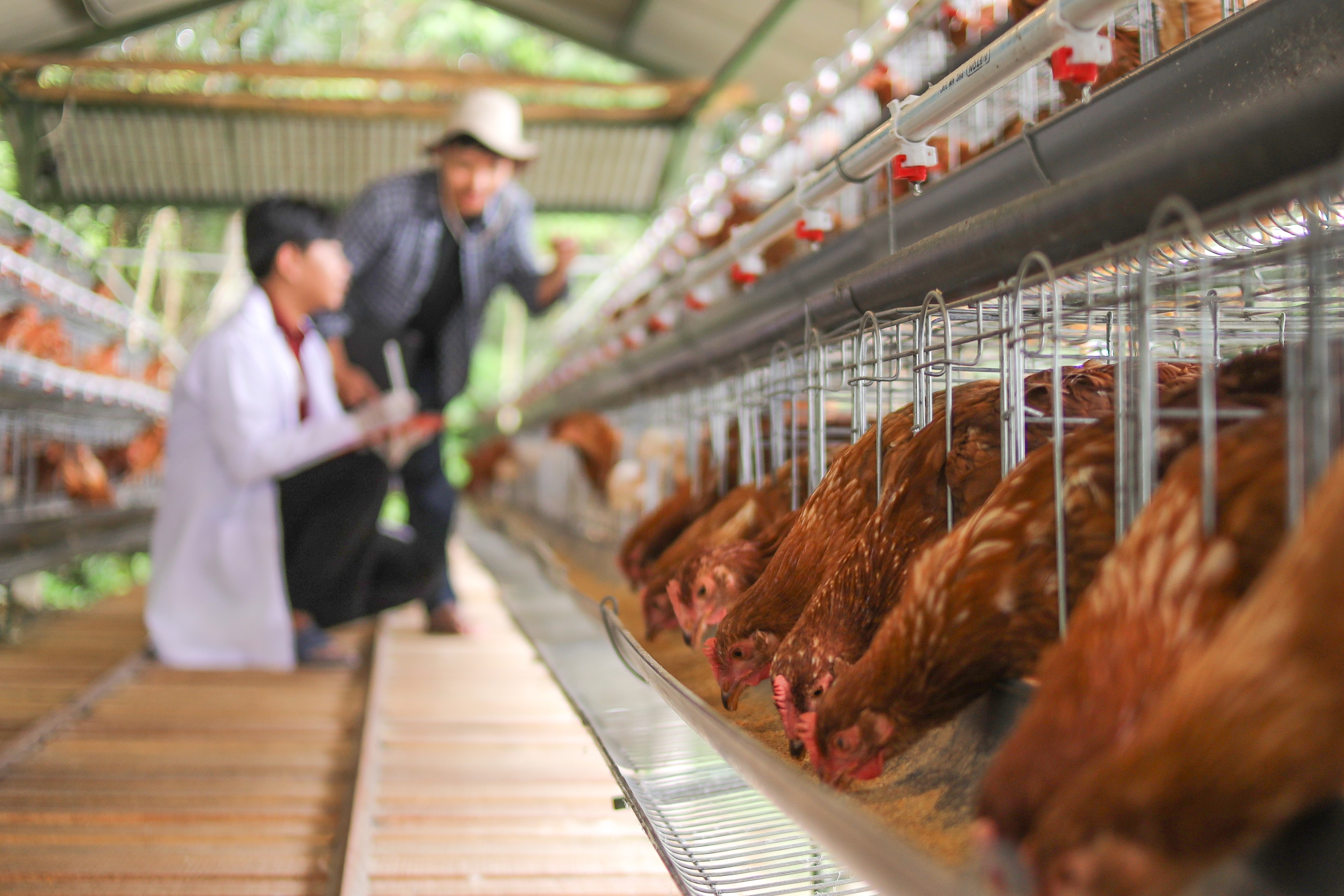
For example, the data showed that while 69% of companies with eggs in their supply chains have committed to eliminating cages, only 18% have fully transitioned to cage-free systems.
Similarly, fewer than 5% of companies signed up to the Better Chicken Commitment report substantial progress across key welfare criteria.
Despite some improvements, figures showed that 71% of companies reporting progress towards cage-free eggs, up from 67% last year, nearly 90% of businesses received the lowest Impact Ratings (E or F), indicating limited evidence of real-world welfare improvements.
Related Story

BBFAW executive director Nicky Amos said the findings highlight a critical disconnect. “While many companies have set a course for a more compassionate and resilient food system, progress remains slow. That puts not just farm animals at risk, but also consumers and investors,” she said.
The report also points to incremental gains in specific areas. Targets to phase out farrowing crates for pigs have increased, and more companies are addressing issues such as male chick culling and antibiotic use.
However, progress remains limited, with only 40% of companies committing to end routine antibiotic use, despite growing concerns over antimicrobial resistance.
Meanwhile, regional performance also varied significantly, with UK companies ranking the strongest overall, while Asia-Pacific firms lagged behind, with many lacking even basic animal welfare policies. Latin America showed the fastest improvement, outperforming other regions for the first time.
World Farming CEO of compassion Philip Lymberry , said companies must accelerate progress. “Phasing out cages is a vital first step… but companies now need to turn promises into meaningful progress that delivers better lives for millions of animals,” he added.
Click here to sign up to Retail Gazette‘s free daily email newsletter