
Morrisons debt pile swells to £7.5bn as lease liabilities climb

Morrisons
GroceryNews

Morrisons’ debt pile has climbed to £7.52bn as rising lease liabilities and preference share obligations weighed on the supermarket’s balance sheet.

Net debt at Market Topco, the ultimate parent company of Morrisons, increased from £7.07bn to £7.52bn in the year to the end of October, according to newly filed accounts.

The grocer’s total lease obligations jumped to £1.97bn from £1.75bn over the period, with Morrisons attributing much of the increase to investment in its vehicle fleet and the addition of 39 stores in the Channel Islands.

The rise also included a small sale-and-leaseback deal involving a handful of stores, although Morrisons said more than 80 per cent of its supermarket estate remains freehold.

The retailer made £23m in profit from sale-and-leaseback transactions during the year.

Morrisons has been owned by US private equity firm Clayton, Dubilier & Rice (CD&R) since its 2021 takeover, which added £6.6bn of debt to the business. Prior to the acquisition, the supermarket had net debt obligations of around £3.2bn, while its parent company’s debt later peaked at approximately £8.5bn.

Preference share liabilities, which carry a fixed return payable to CD&R, also increased to £2bn from £1.79bn during the latest financial year.

The supermarket’s pre-tax losses from continuing operations before exceptional items widened to £629m from £612m.

Morrisons said the increase was largely driven by exceptional non-cash impairment charges, including a writedown in the value of the McColl’s business it acquired in 2022. It has since moved to shut a number of loss-making former McColl’s stores.

However, revenue rose to £15.77bn from £15.23bn, while group like-for-like sales increased 2.8 per cent.

Underlying EBITDA remained flat at £835m despite what Morrisons said were significant cost pressures, including an annualised £200m hit stemming from the 2024 Budget, higher-than-expected inflation and the impact of a cyber incident during the first quarter.

The latest figures come as chief executive Rami Baitiéh continues efforts to turn around the supermarket, which has lost market share amid fierce competition from the major grocers and discounters.

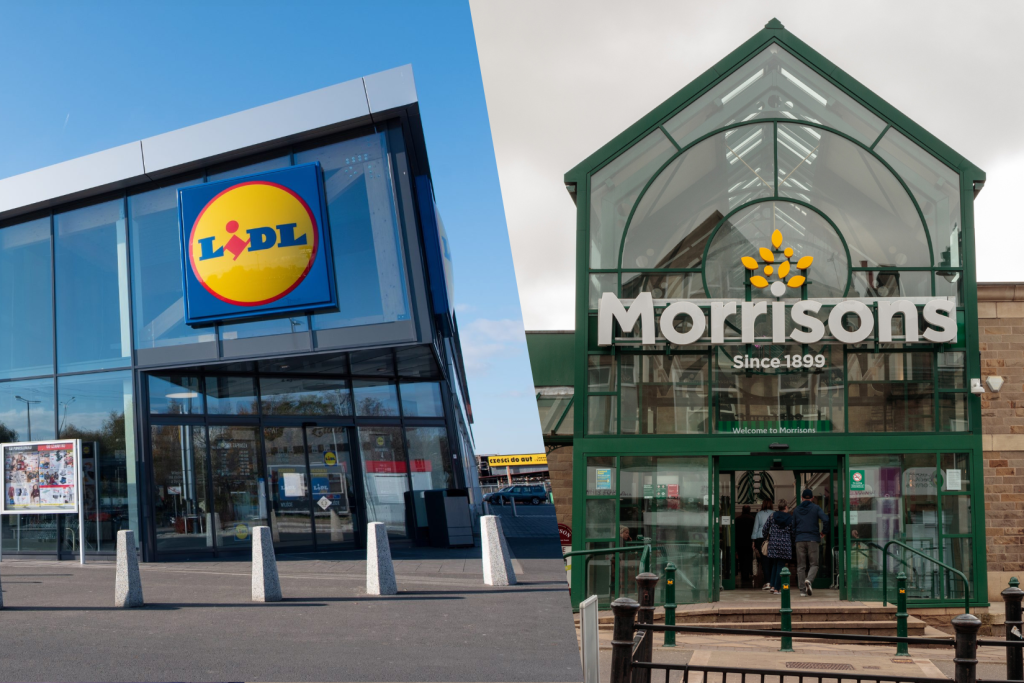
Lidl overtook Morrisons earlier this year to become Britain’s fifth-largest supermarket, while Morrisons’ like-for-like sales growth slowed to 2.2 per cent in the three months to the end of April.

A Morrisons spokesman said the business had delivered a “robust” underlying performance during the year and continued to generate healthy underlying earnings and strong operating cash flow.

Click here to sign up to Retail Gazette‘s free daily email newsletter

GroceryNews

Leave a Reply

Your email address will not be published. Required fields are marked *

Fill out this field
Fill out this field
Please enter a valid email address.

GroceryNews

Share:

Morrisons debt pile swells to £7.5bn as lease liabilities climb

Morrisons

Morrisons’ debt pile has climbed to £7.52bn as rising lease liabilities and preference share obligations weighed on the supermarket’s balance sheet.

Net debt at Market Topco, the ultimate parent company of Morrisons, increased from £7.07bn to £7.52bn in the year to the end of October, according to newly filed accounts.

The grocer’s total lease obligations jumped to £1.97bn from £1.75bn over the period, with Morrisons attributing much of the increase to investment in its vehicle fleet and the addition of 39 stores in the Channel Islands.

The rise also included a small sale-and-leaseback deal involving a handful of stores, although Morrisons said more than 80 per cent of its supermarket estate remains freehold.

The retailer made £23m in profit from sale-and-leaseback transactions during the year.

Morrisons has been owned by US private equity firm Clayton, Dubilier & Rice (CD&R) since its 2021 takeover, which added £6.6bn of debt to the business. Prior to the acquisition, the supermarket had net debt obligations of around £3.2bn, while its parent company’s debt later peaked at approximately £8.5bn.

Preference share liabilities, which carry a fixed return payable to CD&R, also increased to £2bn from £1.79bn during the latest financial year.

The supermarket’s pre-tax losses from continuing operations before exceptional items widened to £629m from £612m.

Morrisons said the increase was largely driven by exceptional non-cash impairment charges, including a writedown in the value of the McColl’s business it acquired in 2022. It has since moved to shut a number of loss-making former McColl’s stores.

However, revenue rose to £15.77bn from £15.23bn, while group like-for-like sales increased 2.8 per cent.

Underlying EBITDA remained flat at £835m despite what Morrisons said were significant cost pressures, including an annualised £200m hit stemming from the 2024 Budget, higher-than-expected inflation and the impact of a cyber incident during the first quarter.

The latest figures come as chief executive Rami Baitiéh continues efforts to turn around the supermarket, which has lost market share amid fierce competition from the major grocers and discounters.

Lidl overtook Morrisons earlier this year to become Britain’s fifth-largest supermarket, while Morrisons’ like-for-like sales growth slowed to 2.2 per cent in the three months to the end of April.

A Morrisons spokesman said the business had delivered a “robust” underlying performance during the year and continued to generate healthy underlying earnings and strong operating cash flow.

Click here to sign up to Retail Gazette‘s free daily email newsletter

Social


SUBSCRIBE TO OUR DAILY NEWSLETTER

  • This field is for validation purposes and should be left unchanged.
GroceryNews

Leave a Reply

Your email address will not be published. Required fields are marked *

Fill out this field
Fill out this field
Please enter a valid email address.

RELATED STORIES

Latest Feature


Menu


Close popup

Please enter the verification code sent to your email: