

UK food inflation has remained significantly lower than expected as fierce supermarket competition and shoppers’ resistance to higher prices force grocers and suppliers to absorb mounting costs.
Food and non-alcoholic drink prices rose 1.7 per cent in the year to June, down from 2.2 per cent in May and marking the lowest annual rate since August 2024, according to the Office for National Statistics. Prices in the category fell 0.2 per cent month on month.
The figures have come in well below earlier expectations following warnings that disruption in the Middle East and rising energy costs could send food inflation sharply higher.
The Bank of England had expected food inflation to accelerate as increased energy costs fed through domestic production and imports, forecasting in April that the rate would reach 4.6 per cent by September. Its latest projections are more subdued, with food inflation now expected to reach nearly 3.5 per cent in December.
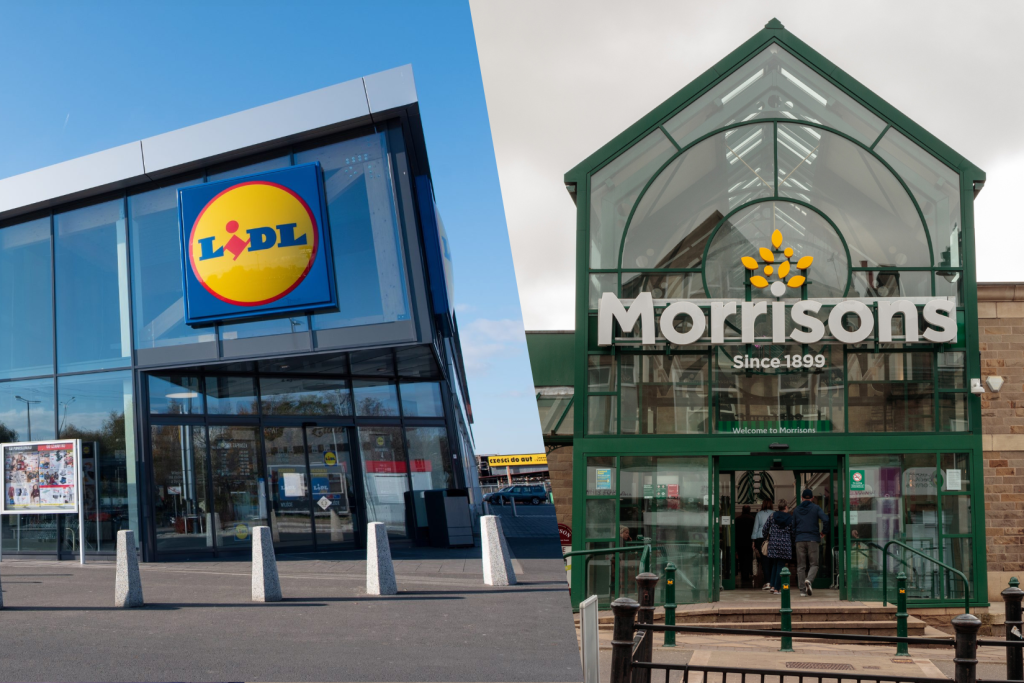
However, intense competition between Tesco, Sainsbury’s, Asda, Morrisons, Aldi and Lidl has helped prevent retailers from passing the full impact of higher costs onto shoppers.
Analysts and industry figures told Reuters that grocers have been willing to sacrifice some margin, particularly across fresh and chilled categories, as they battle to protect market share. Branded suppliers have also exercised restraint on price increases amid fears of pushing more shoppers towards cheaper own-label alternatives.
Promotions have become an increasingly important weapon in the fight for shoppers.
Worldpanel by Numerator data showed 30.3 per cent of grocery sales were made on promotion in May, up from 28.4 per cent a year earlier, while spending on discounted products jumped 9.5 per cent. Full-price spending was virtually flat.
Retailers have also accelerated cost-saving programmes to protect prices as wages, taxes and other operating expenses rise.
Tesco has delivered more than £2.2bn of savings over the past four years and is targeting a further £500m this year, with areas including supply chain automation, artificial intelligence, markdown optimisation and waste reduction helping to strip costs out of the business.
Food manufacturers and suppliers have meanwhile become better prepared for commodity and energy shocks following the sharp inflationary surge sparked by Russia’s invasion of Ukraine.
Suppliers are understood to have hedged energy and ingredient requirements further in advance, reducing their immediate exposure to volatile prices. Falling prices for some commodities, including cocoa and coffee, have also eased pressure.
Despite the resilience of shelf prices, supermarkets are facing pressure on their profitability.
Both Tesco and Sainsbury’s have issued wide profit guidance ranges for their current financial years, with the lower ends pointing to the possibility of declining earnings as the grocers continue investing in price while absorbing higher operating costs.
The pressure raises questions over how long retailers can continue insulating shoppers from rising costs if inflationary headwinds persist.
Producer input prices rose 8.7 per cent in the year to May, their biggest annual increase since February 2023, although domestic food input prices were 0.7 per cent lower year on year and imported food costs fell during the month.
Further risks are also emerging, with Britain’s drought threatening agricultural production and potentially adding fresh pressure to food prices next year.
Click here to sign up to Retail Gazette‘s free daily email newsletter