Lidl overtakes Morrisons to become Britain’s fifth-largest supermarket

Ocado and Lidl were the fastest-growing UK grocery retailers in the latest quarter, as consumers continued to hunt for deals, according to data from Wordpanel by Numerator.
Grocery

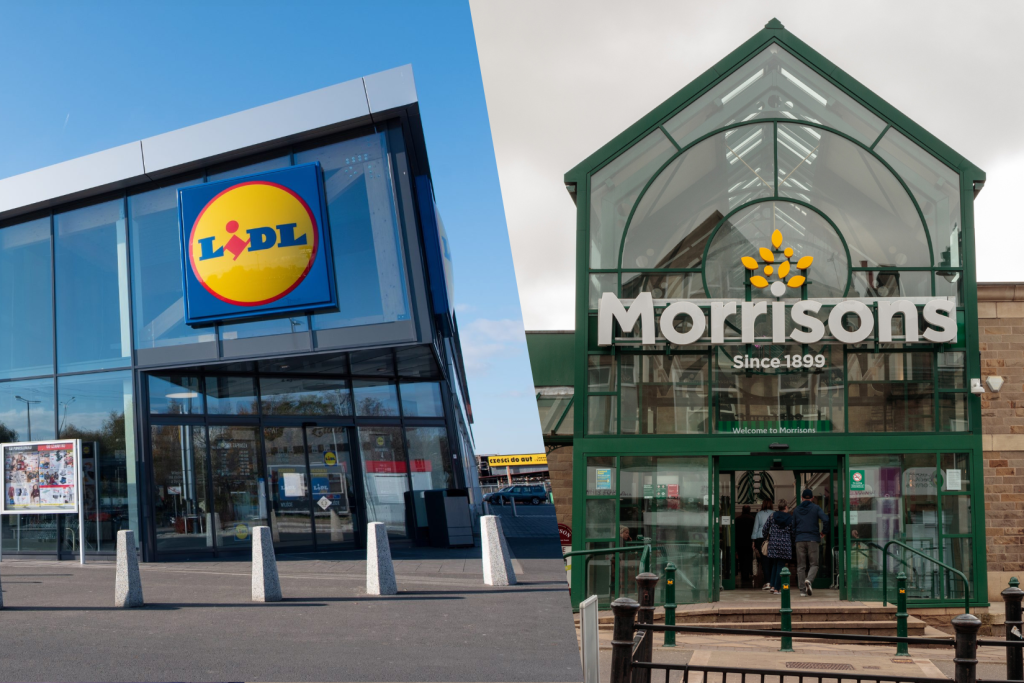
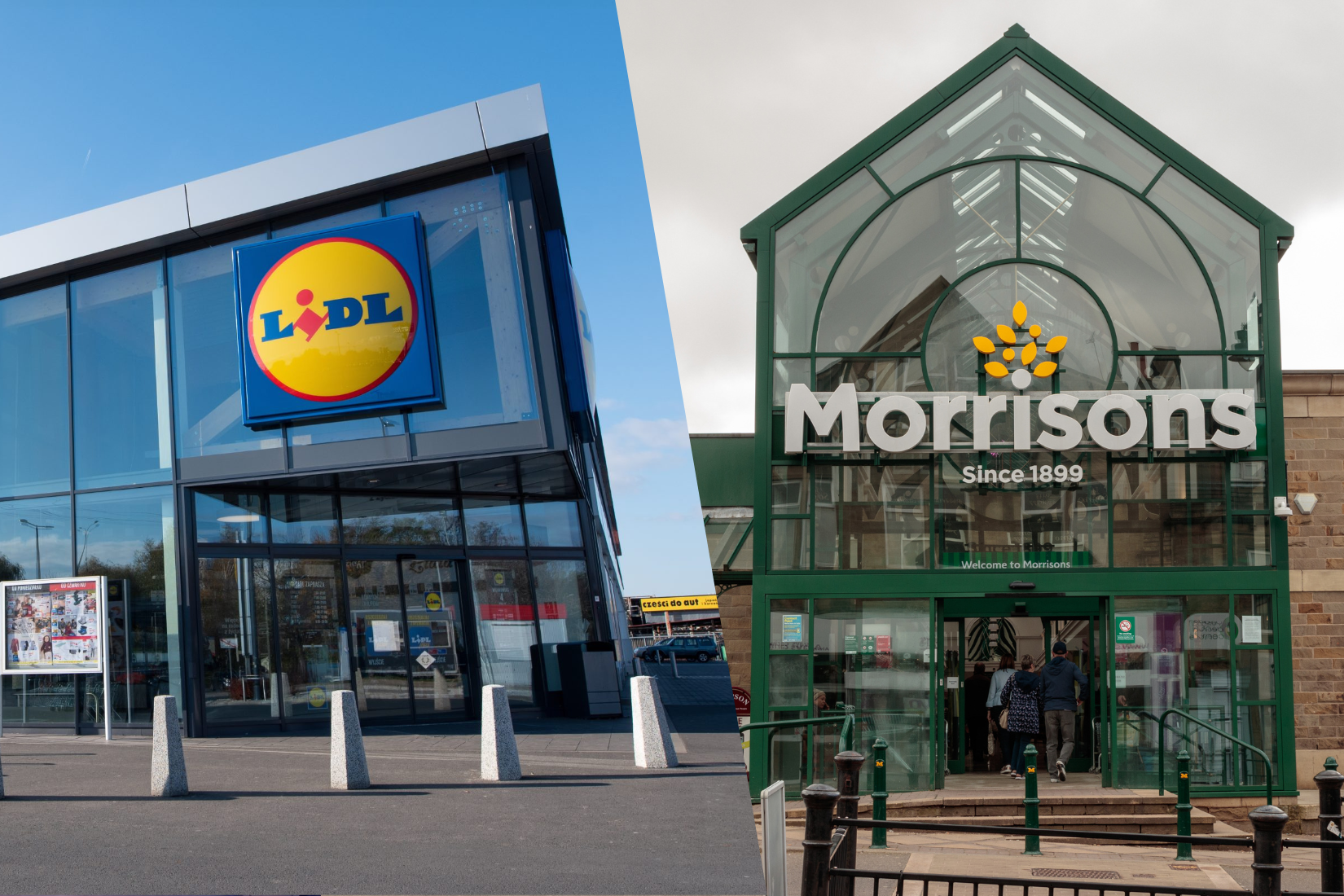
Lidl has officially overtaken Morrisons to become Britain’s fifth-largest supermarket, as strong sales growth continued to reshape the UK grocery market.

New data from Wordpanel by Numerator for the 12 weeks to 17 May 2026 showed Lidl’s market share rose to a record 8.6%, up from 8.1% a year earlier, driven by sales growth of 8.8% and more than £661 million in switching gains as shoppers moved from rival supermarkets.

The milestone highlights the discounter’s sustained expansion since entering the UK in 1994, with more than 3 in 5 households now shopping at Lidl, according to industry data.

Lidl’s rise comes as the broader grocery market continues to grow modestly, with take-home sales up 1.5% over the latest four-week period and inflation showing further signs of easing.

The data showed that like-for-like grocery prices rose by 3.1%, the slowest rate of increase since December 2024, offering some relief to households after months of concerns over food price pressures linked to global geopolitical instability.

Other retailers also fared well, with the figures showing that Ocado remained the fastest-growing specialist grocer, with sales up 10.2% and market share rising to 2.1%, although growth slowed slightly compared with earlier periods.

Tesco sales rose 3.2% with market share increasing to 28.2%, while Sainsbury’s grew 3.1% to a 15.2% share. Asda holds 11.5%, Aldi 10.8%, and Morrisons 8.3%.

Waitrose held steady at 4.5% share with 3.0% sales growth, while M&S grocery sales rose 9.3%. Co-op remained stable at 5.1% and Iceland at 2.2%.

“The easing in the rate of inflation is welcome news for shoppers who have been grappling with warnings of a hike in food prices due to the impact of the war in the Middle East,” said Wordpanel by Numerator head of retail and consumer insight Fraser McKevitt.

“This follows the UK government’s announcement on a plan to further reduce import tariffs by £150 million on a range of food categories.

“While further details are expected this week, this would equate to just £5 per household, with the average annual shopping bill for food and drink, excluding alcohol, totalling £4,087.”

Click here to sign up to Retail Gazette‘s free daily email newsletter

Grocery

Leave a Reply

Your email address will not be published. Required fields are marked *

Fill out this field
Fill out this field
Please enter a valid email address.

Grocery

Share:

Lidl overtakes Morrisons to become Britain’s fifth-largest supermarket

Ocado and Lidl were the fastest-growing UK grocery retailers in the latest quarter, as consumers continued to hunt for deals, according to data from Wordpanel by Numerator.

Lidl has officially overtaken Morrisons to become Britain’s fifth-largest supermarket, as strong sales growth continued to reshape the UK grocery market.

New data from Wordpanel by Numerator for the 12 weeks to 17 May 2026 showed Lidl’s market share rose to a record 8.6%, up from 8.1% a year earlier, driven by sales growth of 8.8% and more than £661 million in switching gains as shoppers moved from rival supermarkets.

The milestone highlights the discounter’s sustained expansion since entering the UK in 1994, with more than 3 in 5 households now shopping at Lidl, according to industry data.

Lidl’s rise comes as the broader grocery market continues to grow modestly, with take-home sales up 1.5% over the latest four-week period and inflation showing further signs of easing.

The data showed that like-for-like grocery prices rose by 3.1%, the slowest rate of increase since December 2024, offering some relief to households after months of concerns over food price pressures linked to global geopolitical instability.

Other retailers also fared well, with the figures showing that Ocado remained the fastest-growing specialist grocer, with sales up 10.2% and market share rising to 2.1%, although growth slowed slightly compared with earlier periods.

Tesco sales rose 3.2% with market share increasing to 28.2%, while Sainsbury’s grew 3.1% to a 15.2% share. Asda holds 11.5%, Aldi 10.8%, and Morrisons 8.3%.

Waitrose held steady at 4.5% share with 3.0% sales growth, while M&S grocery sales rose 9.3%. Co-op remained stable at 5.1% and Iceland at 2.2%.

“The easing in the rate of inflation is welcome news for shoppers who have been grappling with warnings of a hike in food prices due to the impact of the war in the Middle East,” said Wordpanel by Numerator head of retail and consumer insight Fraser McKevitt.

“This follows the UK government’s announcement on a plan to further reduce import tariffs by £150 million on a range of food categories.

“While further details are expected this week, this would equate to just £5 per household, with the average annual shopping bill for food and drink, excluding alcohol, totalling £4,087.”

Click here to sign up to Retail Gazette‘s free daily email newsletter

Social


SUBSCRIBE TO OUR DAILY NEWSLETTER

  • This field is for validation purposes and should be left unchanged.
Grocery

Leave a Reply

Your email address will not be published. Required fields are marked *

Fill out this field
Fill out this field
Please enter a valid email address.

RELATED STORIES

Latest Feature


Menu


Close popup

Please enter the verification code sent to your email: