

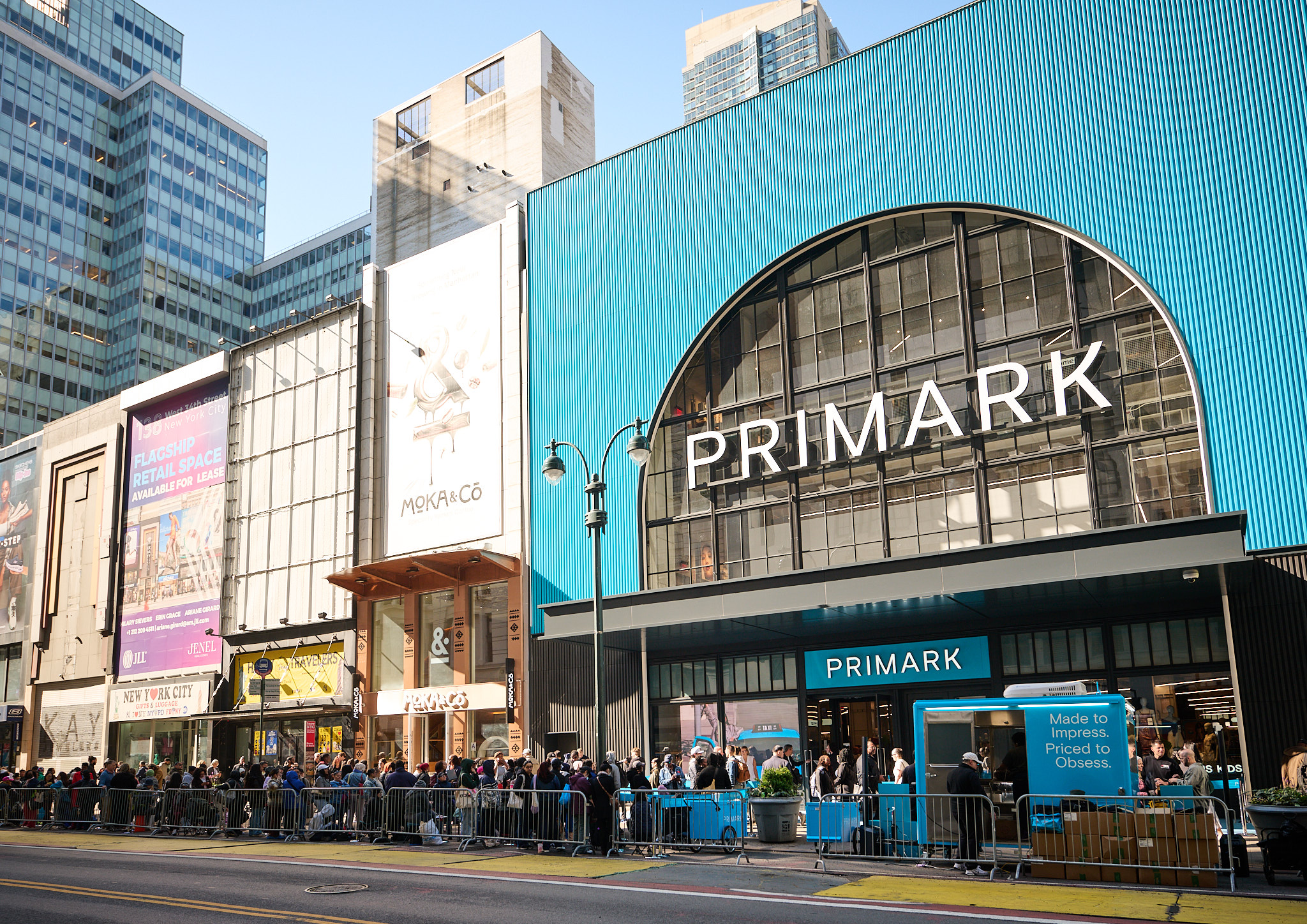
Primark, Uniqlo and Levi’s are ramping up repair services and sewing initiatives in a push to attract younger shoppers increasingly interested in resale, sustainability and making clothes last longer.
Retailers are increasingly offering everything from in-store repairs and alterations to workshops teaching customers how to sew buttons, patch holes and mend damaged clothing.
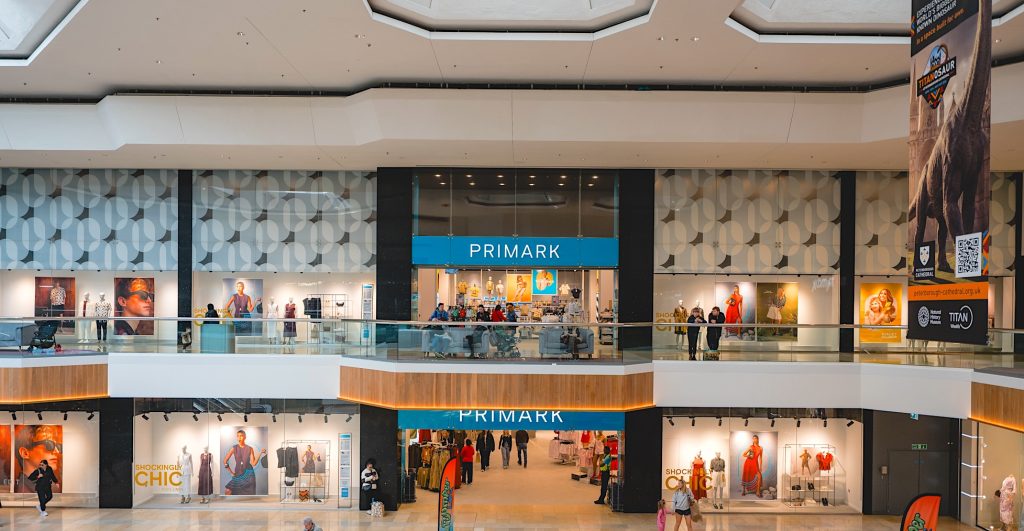
Primark has expanded its free ‘Love It For Longer’ workshops, which teach shoppers basic repair techniques including replacing zips and buttons and hand sewing. The fashion giant has now held more than 730 workshops across nine of the 17 markets in which it operates, according to the Associated Press.
The retailer also tested paid in-store repair services at three UK stores earlier this year through a partnership with clothing repairs platform The Seam.
Primark product longevity and partnership lead Vicki Swain said teaching customers how to repair and care for their clothes was an effective way of extending the lifespan of products and reducing waste.
Meanwhile, Uniqlo has been expanding its aftercare offer through its RE.UNIQLO Studio concept, which provides services including repairs, embroidery, restyling and traditional Japanese sashiko stitching.
The services are available across 75 of the retailer’s roughly 2,500 stores globally, with the fashion giant positioning the initiative as a way to extend the life of its products while strengthening relationships with shoppers.
Levi’s is also building on the repair and customisation services offered through hundreds of its stores worldwide.
The denim giant has created a 90-minute hand-sewing programme for high-school students in the US, teaching skills including hemming, sewing on buttons and repairing tears, after finding younger shoppers were interested in second-hand fashion but often lacked basic sewing skills.
Its wider Tailor Shop offer enables customers to repair and customise denim, while the retailer also provides DIY guides aimed at helping shoppers extend the life of their jeans.
Zara has similarly moved into the circular fashion space through a platform that allows customers to request repairs and alterations as well as resell previously owned clothing. The service is now available across 17 markets.
The push comes as Gen Z shoppers increasingly embrace second-hand fashion alongside traditional retail.
GlobalData estimates the pre-owned clothing market in the US has been growing significantly faster than overall fashion retail sales, with younger shoppers driven by a combination of tighter budgets and changing attitudes towards consumption.
GlobalData retail analyst Neil Saunders said repair initiatives can help address shifting consumer behaviours while putting a “halo on the brand”.
However, questions remain over whether repair services can become commercially viable at scale.
H&M has previously highlighted the economics as a major hurdle, with repairing and reselling existing garments typically more expensive for retailers than producing new ones.
It joined Primark, ThredUp and other businesses earlier this year in calling for tax measures that would make repair and resale models more financially attractive.
Click here to sign up to Retail Gazette‘s free daily email newsletter