Should retailers ban smart glasses from their stores?

Feature ArticlesGeneral RetailIn-StoreTechnology

In 2021, Ray-Ban and Meta joined forces to release the latest evolution in wearable technology – the ‘smart glasses’.  In the intervening years, smart glasses have transformed from a seemingly harmless tech novelty to true privacy headache for businesses, with pubs, restaurants and even the courts cracking down on their use. As concerns grow over covert filming, should retailers be next to show them the door?

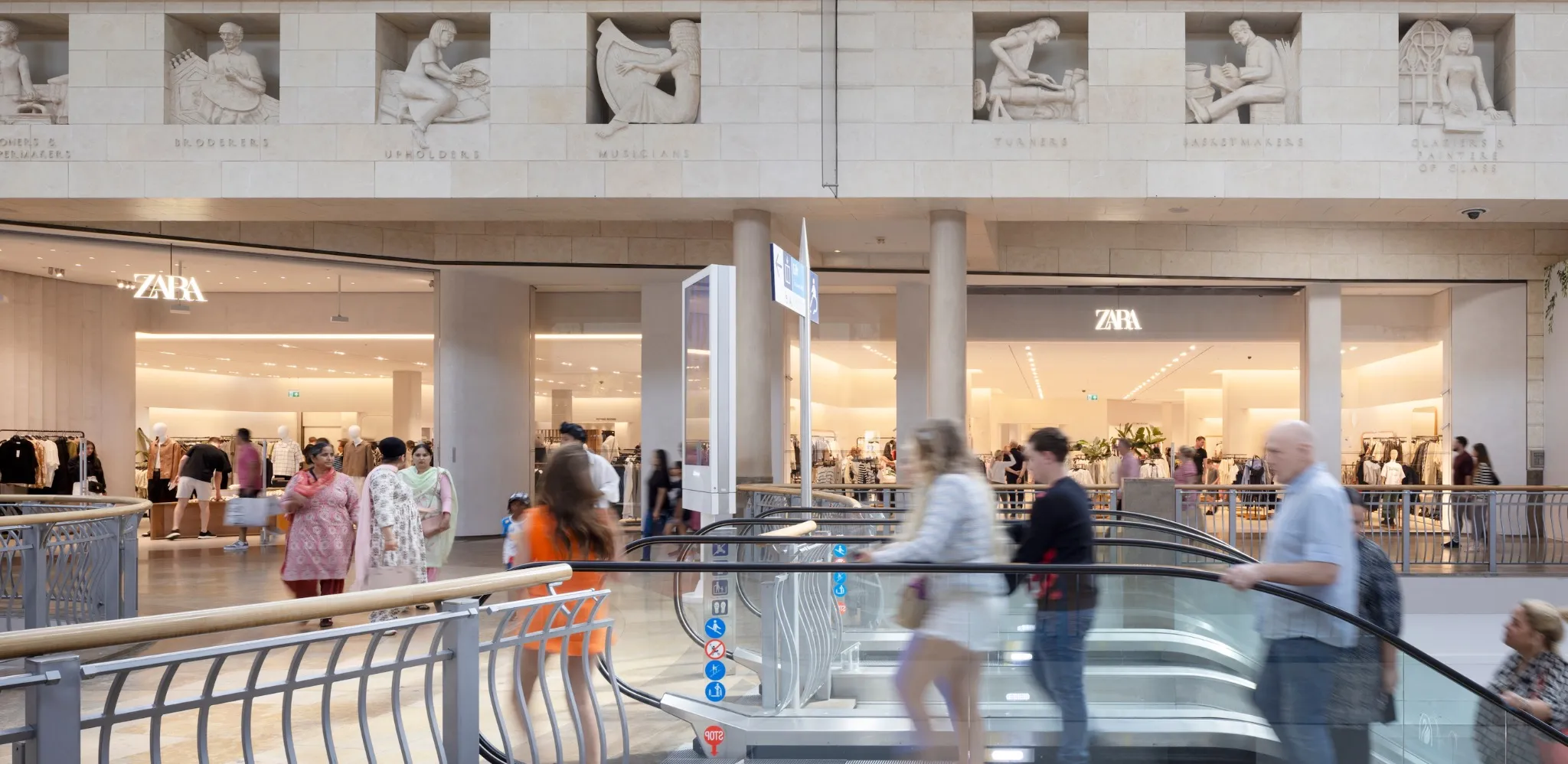
Retailers have spent years wrestling with customers filming TikToks, confrontations and so-called pranks on the shop floor. Yet the proliferation and accessibility of so-called ‘smart glasses’ seem to be making the problem considerably harder to spot.

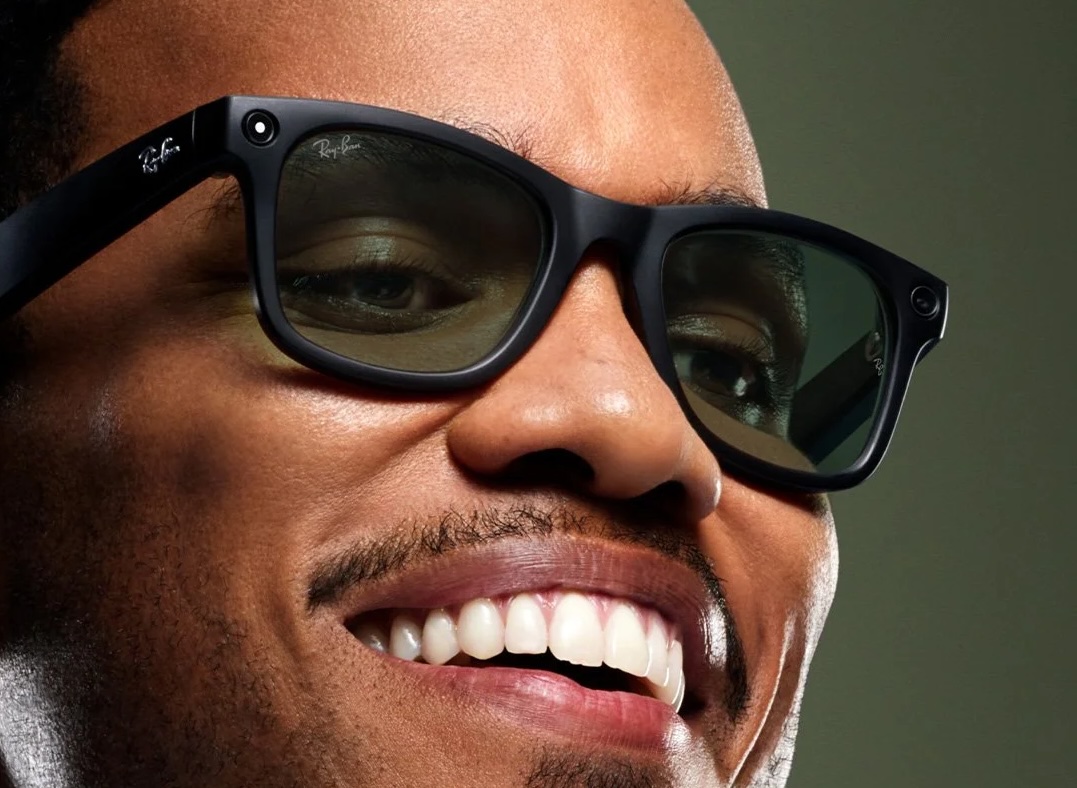
Camera-equipped eyewear such as Meta’s Ray-Ban glasses allows shoppers to film hands-free from their point of view, while looking remarkably similar to an ordinary pair of specs.

The covert nature of their operation is increasingly making businesses uncomfortable.

Restaurants, theatres and private members’ clubs have introduced restrictions, while pub chain Wetherspoon has told customers they cannot use the glasses to film inside its pubs. Courts in England and Wales have gone further, banning the devices entirely and confiscating them on entry.

The question is whether retailers should follow suit.

The shopfloor problem

The biggest headache for retailers is arguably not customer privacy, but colleague safety.

Shopworkers are already routinely exposed to confrontation, abuse and social media humiliation. Usdaw has called for customers to be prevented from filming retail workers without their individual permission, warning that footage can be edited, uploaded and used to misrepresent or intimidate employees.

Smart glasses raise the stakes because the employee may not even know the camera is rolling.

Meta insists its glasses have safeguards, including a flashing capture light when photographs or videos are being taken and technology designed to disable recording if the indicator is covered or damaged.

But spotting a tiny light on somebody’s glasses across a busy checkout or shop floor is rather different from seeing a customer point a smartphone at a member of staff. That creates an uncomfortable imbalance. The shopper knows they’re recording; the colleague may have no idea.

But is an outright ban the answer?

There’s a strong case for retailers drawing a line. Stores are private premises and businesses can introduce rules around filming, while a clearly communicated policy also gives colleagues something concrete to enforce when a situation escalates.

But banning smart glasses altogether risks being a sledgehammer solution.

The devices are not only cameras. They can be used for calls, translation and other hands-free services, while wearable technology may also constitute a reasonable adjustment for some disabled customers or employees. Employment lawyers have already warned businesses that policies need to balance privacy concerns against their obligations under the Equality Act.

A customer wearing smart glasses is therefore not necessarily doing anything wrong.

A more feasible line for most retailers would be simple. Wear them if you want, but don’t record customers or colleagues without permission.

That could be backed by prominent signage, additions to customer conduct policies and clear training so store teams know when and how to intervene.

Retailers may also want tougher rules in sensitive environments such as changing rooms, beauty treatment areas, pharmacies or anywhere customers have a heightened expectation of privacy.

Retailers cannot ignore it

The temptation will be to dismiss smart glasses as another tech fad and wait for regulators to decide what is acceptable. However with other industries creating hard-lines around usage, that looks increasingly risky.

More than 7million pairs of Meta’s glasses were sold last year, according to figures cited amid the current backlash, meaning the devices are rapidly moving from novelty to mainstream consumer technology.

Retailers therefore need a position before an incident forces them to create one.

An industry-wide ban on smart glasses may be unnecessary and difficult to police. But doing nothing is no longer much of a policy either.

For retailers, the middle ground is to make the rule about behaviour rather than hardware: no covert filming, no recording colleagues without consent and no tolerance for technology being used to intimidate or harass.

The smartphone created the age of everyone carrying a camera. Smart glasses remove the most obvious sign that the camera is switched on. Retailers would therefore be wise to update the rulebook accordingly.

Click here to sign up to Retail Gazette‘s free daily email newsletter

Feature ArticlesGeneral RetailIn-StoreTechnology

Leave a Reply

Your email address will not be published. Required fields are marked *

Fill out this field
Fill out this field
Please enter a valid email address.

Should retailers ban smart glasses from their stores?

In 2021, Ray-Ban and Meta joined forces to release the latest evolution in wearable technology – the ‘smart glasses’.  In the intervening years, smart glasses have transformed from a seemingly harmless tech novelty to true privacy headache for businesses, with pubs, restaurants and even the courts cracking down on their use. As concerns grow over covert filming, should retailers be next to show them the door?

Retailers have spent years wrestling with customers filming TikToks, confrontations and so-called pranks on the shop floor. Yet the proliferation and accessibility of so-called ‘smart glasses’ seem to be making the problem considerably harder to spot.

Camera-equipped eyewear such as Meta’s Ray-Ban glasses allows shoppers to film hands-free from their point of view, while looking remarkably similar to an ordinary pair of specs.

The covert nature of their operation is increasingly making businesses uncomfortable.

Restaurants, theatres and private members’ clubs have introduced restrictions, while pub chain Wetherspoon has told customers they cannot use the glasses to film inside its pubs. Courts in England and Wales have gone further, banning the devices entirely and confiscating them on entry.

The question is whether retailers should follow suit.

The shopfloor problem

The biggest headache for retailers is arguably not customer privacy, but colleague safety.

Shopworkers are already routinely exposed to confrontation, abuse and social media humiliation. Usdaw has called for customers to be prevented from filming retail workers without their individual permission, warning that footage can be edited, uploaded and used to misrepresent or intimidate employees.

Smart glasses raise the stakes because the employee may not even know the camera is rolling.

Meta insists its glasses have safeguards, including a flashing capture light when photographs or videos are being taken and technology designed to disable recording if the indicator is covered or damaged.

But spotting a tiny light on somebody’s glasses across a busy checkout or shop floor is rather different from seeing a customer point a smartphone at a member of staff. That creates an uncomfortable imbalance. The shopper knows they’re recording; the colleague may have no idea.

But is an outright ban the answer?

There’s a strong case for retailers drawing a line. Stores are private premises and businesses can introduce rules around filming, while a clearly communicated policy also gives colleagues something concrete to enforce when a situation escalates.

But banning smart glasses altogether risks being a sledgehammer solution.

The devices are not only cameras. They can be used for calls, translation and other hands-free services, while wearable technology may also constitute a reasonable adjustment for some disabled customers or employees. Employment lawyers have already warned businesses that policies need to balance privacy concerns against their obligations under the Equality Act.

A customer wearing smart glasses is therefore not necessarily doing anything wrong.

A more feasible line for most retailers would be simple. Wear them if you want, but don’t record customers or colleagues without permission.

That could be backed by prominent signage, additions to customer conduct policies and clear training so store teams know when and how to intervene.

Retailers may also want tougher rules in sensitive environments such as changing rooms, beauty treatment areas, pharmacies or anywhere customers have a heightened expectation of privacy.

Retailers cannot ignore it

The temptation will be to dismiss smart glasses as another tech fad and wait for regulators to decide what is acceptable. However with other industries creating hard-lines around usage, that looks increasingly risky.

More than 7million pairs of Meta’s glasses were sold last year, according to figures cited amid the current backlash, meaning the devices are rapidly moving from novelty to mainstream consumer technology.

Retailers therefore need a position before an incident forces them to create one.

An industry-wide ban on smart glasses may be unnecessary and difficult to police. But doing nothing is no longer much of a policy either.

For retailers, the middle ground is to make the rule about behaviour rather than hardware: no covert filming, no recording colleagues without consent and no tolerance for technology being used to intimidate or harass.

The smartphone created the age of everyone carrying a camera. Smart glasses remove the most obvious sign that the camera is switched on. Retailers would therefore be wise to update the rulebook accordingly.

Click here to sign up to Retail Gazette‘s free daily email newsletter

Social


SUBSCRIBE TO OUR DAILY NEWSLETTER

  • This field is for validation purposes and should be left unchanged.
Feature ArticlesGeneral RetailIn-StoreTechnology

Leave a Reply

Your email address will not be published. Required fields are marked *

Fill out this field
Fill out this field
Please enter a valid email address.

RELATED STORIES

Latest Feature

Interview: How Palmer’s 20-year logistics partnership is fuelling its European expansion

Palmer’s may be one of the most familiar names on the bathroom shelf, but behind the cocoa butter bottles is a surprisingly small UK operation. ET Browne UK, which distributes the American family-owned skincare brand, has grown its sales while keeping its core team to fewer than 20 people. Now, as a new Tahitian Vanilla range brings younger shoppers to the brand and the company looks to expand further into Europe, the pressure is falling on the supply chain to keep up.

Palmer’s may be one of the most familiar names on the bathroom shelf, but behind the cocoa butter bottles is a surprisingly small UK operation.

ET Browne UK, which distributes the American family-owned skincare brand, has grown its sales while keeping its core team to fewer than 20 people.

Now, as a new Tahitian Vanilla range brings younger shoppers to the brand and the company looks to expand further into Europe, the pressure is falling on the supply chain to keep up.

Read More


Menu

What’s working in UK stores right now

Read by Store Directors, Head of Retail, and Operations Managers across UK retail.

In-Store Weekly NL Form

  • This field is for validation purposes and should be left unchanged.


Please enter the verification code sent to your email: