Lululemon brings Klarna to stores: does the future of BNPL lie in physical shops?

Lululemon
FashionFeature ArticlesGeneral RetailIn-Store

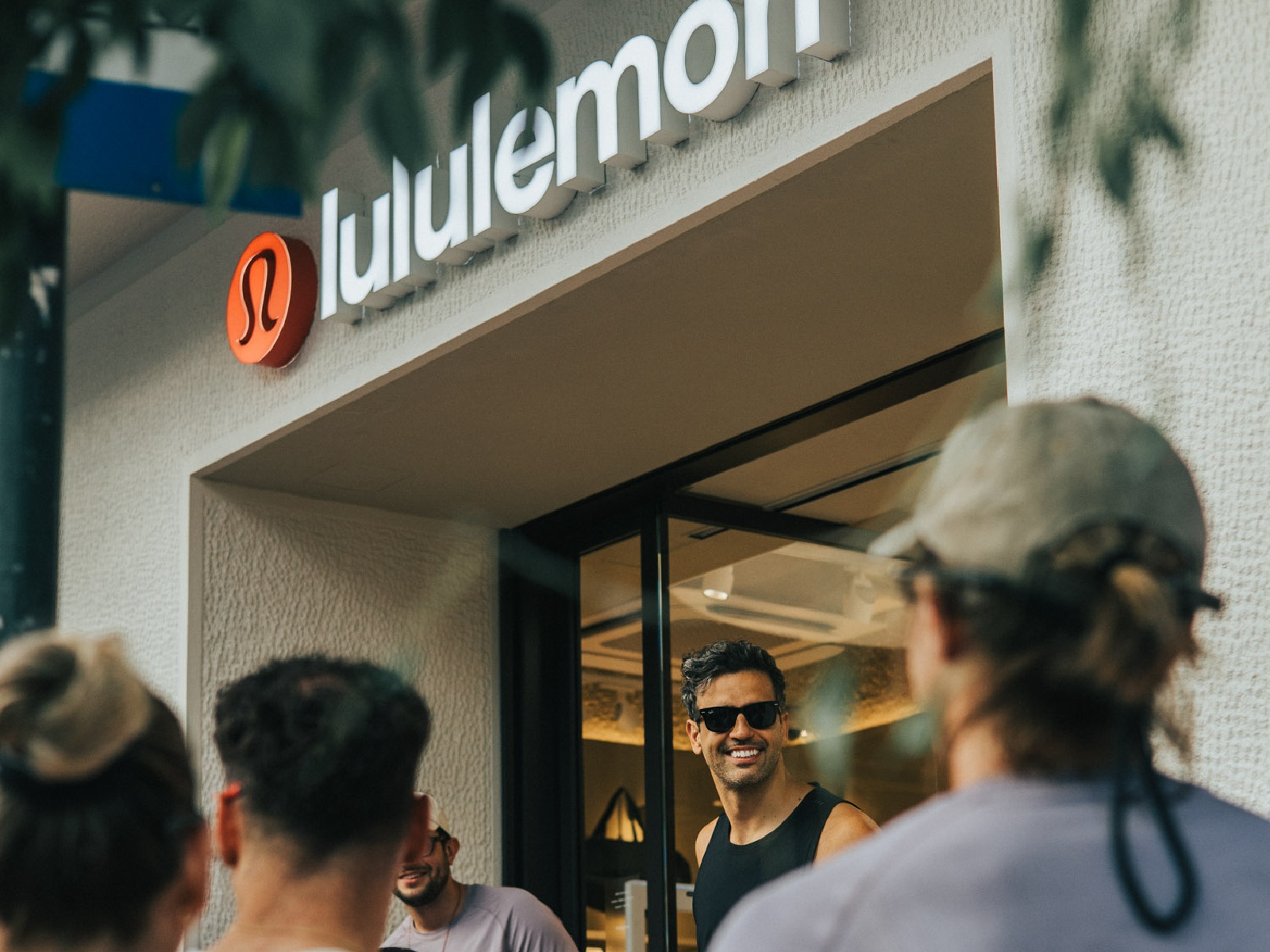
Last week Lululemon introduced Klarna payments across its physical UK and German stores.

The buy now pay later (BNPL) service has already been available for shoppers on the Lululemon website for more than five years. 

However, Klarna described the decision as a “natural next step in that relationship” which reflected its “strategic move beyond the browser”.

Appealing to a younger audience

The move makes sense from Klarna’s point of view. The business said that the decision marked “a significant step” in its “push into physical retail”.

It also highlighted that in-person spending was estimated at roughly $28 trillion (£21.02 trillion) per year globally, making it almost four times the amount spent online.

CI&T global director retail strategy and insights Melissa Minkow says she thinks Lululemon has chosen to bring Klarna payments to its physical shops “to appeal to a younger audience”.

“We know Gen Z is leveraging Klarna at pretty quick adoption rates, and they potentially can’t afford the brand otherwise.

“Lululemon is a higher price point compared to many of its competitors now in the category, and this opens themselves up to a new consumer who wouldn’t previously have counted themselves as someone who could afford their product.”

Shutterstock

CEO and co-founder of AI shopping platform Dig Ashley Bailey describes the move as “a recognition that today’s shopper is savvier than ever”.

“People research, compare and plan big purchases before they get anywhere near a till,” he says. 

“Lululemon sits at a premium price point, and by offering the flexible payments people already use online, they’re meeting the modern shopper on their own terms: I know what I want, I know what it costs, now let me pay for it my way.”

The growth of BNPL

The BNPL market has “grown significantly” over recent years, soaring from £0.06 billion in 2017 to over £13 billion in 2024, according to Financial Conduct Authority (FCA).

In a February report, the financial regulatory body said that BNPL borrowers would “benefit from stronger protections” from 15 July “following the government’s decision to bring the sector under the FCA’s regulation”.

Despite their controversial nature, BNPL services are clearly not disappearing any time soon. 

Marketing director for point-of-sale provider Epos Now Joe Squire says: “This latest move indicates that BNPL providers see the in-store checkout as their next growth frontier. 

“BNPL has become commonplace online, but global in-person spend still dwarfs ecommerce, so providers like Klarna have every incentive to chase it.” 

He adds: “What’s interesting about this trend is that it shows the physical retail world being influenced by ecommerce as a way of competing with the pressures of ecommerce. 

“Retailers are recognising that convenience and payment flexibility, long seen as online advantages, now need a foothold on the shop floor, too.”

Lululemon “BNPL changes how you pay, not what you pay”

BNPL is still an “online-first outlier,” despite almost 70 per cent of UK spending still occurring in-store, according to a recent report from financial services Weavr.io. 

Minkow says she “definitely” thinks the use of BNPL in bricks-and-mortar retail stores is going to become more common.

“I think it just makes sense. You obviously have consumers using credit cards and mobile wallets, and because BNPL is just essentially a digital payment and credit service, I don’t see why it would be challenging for consumers to embrace it in physical stores.

“The barriers to entry have already kind of been overcome on the consumer behavior side.

“Therefore it makes sense to me for more and more retailers to bring it in because they will just say: ‘Oh, this is actually a service that’s being utilised by our shoppers.’”

With the controversial nature of BNPL payments, it raises the question of whether BNPL services should be commonplace for in-store shoppers.

BNPL services do give shoppers more flexibility and control with their spending, and are a preferred alternative to credit cards for many, according to tourism shopping tax refund company Global Blue. 

By nature, they also increase payment variation for consumers by enabling them to divide checkout costs into smaller, interest-free installments, instead of needing to pay everything at once or use a traditional credit card.

Shutterstock Squire argues: “BNPL has been the subject of debate across many areas. 

“For retailers, it’s a reasonable tool provided it remains an option to prevent loss of sales, rather than a payment norm. 

“For consumers, BNPL has been considered a double-edged sword in a time when cost-of-living is at the centre of political discussions. 

“Affordability checks, however, can offer retailers like Lululemon a method to protect repayments and ensure their customers don’t overstretch their household budgets when looking to make a fresh purchase.”

Bailey believes that “with the right guardrails,” BNPL services should be commonplace for shoppers in physical stores, with the caveat that “BNPL changes how you pay, not what you pay”.

“Spreading the cost of a purchase you’ve researched and priced properly is smart, using it to soften an impulse buy you never compared is not,” he says.

“Shoppers should have the choice, regulation needs to keep pace with affordability checks and clear terms, and the golden rule stays the same that the best saving is still paying less in the first place.”

Retail Gazette has contacted Klarna and Lululemon for comment.    

Click here to sign up to Retail Gazette‘s free daily email newsletter

FashionFeature ArticlesGeneral RetailIn-Store

Leave a Reply

Your email address will not be published. Required fields are marked *

Fill out this field
Fill out this field
Please enter a valid email address.

Lululemon brings Klarna to stores: does the future of BNPL lie in physical shops?

Lululemon

Last week Lululemon introduced Klarna payments across its physical UK and German stores.

The buy now pay later (BNPL) service has already been available for shoppers on the Lululemon website for more than five years. 

However, Klarna described the decision as a “natural next step in that relationship” which reflected its “strategic move beyond the browser”.

Appealing to a younger audience

The move makes sense from Klarna’s point of view. The business said that the decision marked “a significant step” in its “push into physical retail”.

It also highlighted that in-person spending was estimated at roughly $28 trillion (£21.02 trillion) per year globally, making it almost four times the amount spent online.

CI&T global director retail strategy and insights Melissa Minkow says she thinks Lululemon has chosen to bring Klarna payments to its physical shops “to appeal to a younger audience”.

“We know Gen Z is leveraging Klarna at pretty quick adoption rates, and they potentially can’t afford the brand otherwise.

“Lululemon is a higher price point compared to many of its competitors now in the category, and this opens themselves up to a new consumer who wouldn’t previously have counted themselves as someone who could afford their product.”

Shutterstock

CEO and co-founder of AI shopping platform Dig Ashley Bailey describes the move as “a recognition that today’s shopper is savvier than ever”.

“People research, compare and plan big purchases before they get anywhere near a till,” he says. 

“Lululemon sits at a premium price point, and by offering the flexible payments people already use online, they’re meeting the modern shopper on their own terms: I know what I want, I know what it costs, now let me pay for it my way.”

The growth of BNPL

The BNPL market has “grown significantly” over recent years, soaring from £0.06 billion in 2017 to over £13 billion in 2024, according to Financial Conduct Authority (FCA).

In a February report, the financial regulatory body said that BNPL borrowers would “benefit from stronger protections” from 15 July “following the government’s decision to bring the sector under the FCA’s regulation”.

Despite their controversial nature, BNPL services are clearly not disappearing any time soon. 

Marketing director for point-of-sale provider Epos Now Joe Squire says: “This latest move indicates that BNPL providers see the in-store checkout as their next growth frontier. 

“BNPL has become commonplace online, but global in-person spend still dwarfs ecommerce, so providers like Klarna have every incentive to chase it.” 

He adds: “What’s interesting about this trend is that it shows the physical retail world being influenced by ecommerce as a way of competing with the pressures of ecommerce. 

“Retailers are recognising that convenience and payment flexibility, long seen as online advantages, now need a foothold on the shop floor, too.”

Lululemon “BNPL changes how you pay, not what you pay”

BNPL is still an “online-first outlier,” despite almost 70 per cent of UK spending still occurring in-store, according to a recent report from financial services Weavr.io. 

Minkow says she “definitely” thinks the use of BNPL in bricks-and-mortar retail stores is going to become more common.

“I think it just makes sense. You obviously have consumers using credit cards and mobile wallets, and because BNPL is just essentially a digital payment and credit service, I don’t see why it would be challenging for consumers to embrace it in physical stores.

“The barriers to entry have already kind of been overcome on the consumer behavior side.

“Therefore it makes sense to me for more and more retailers to bring it in because they will just say: ‘Oh, this is actually a service that’s being utilised by our shoppers.’”

With the controversial nature of BNPL payments, it raises the question of whether BNPL services should be commonplace for in-store shoppers.

BNPL services do give shoppers more flexibility and control with their spending, and are a preferred alternative to credit cards for many, according to tourism shopping tax refund company Global Blue. 

By nature, they also increase payment variation for consumers by enabling them to divide checkout costs into smaller, interest-free installments, instead of needing to pay everything at once or use a traditional credit card.

Shutterstock Squire argues: “BNPL has been the subject of debate across many areas. 

“For retailers, it’s a reasonable tool provided it remains an option to prevent loss of sales, rather than a payment norm. 

“For consumers, BNPL has been considered a double-edged sword in a time when cost-of-living is at the centre of political discussions. 

“Affordability checks, however, can offer retailers like Lululemon a method to protect repayments and ensure their customers don’t overstretch their household budgets when looking to make a fresh purchase.”

Bailey believes that “with the right guardrails,” BNPL services should be commonplace for shoppers in physical stores, with the caveat that “BNPL changes how you pay, not what you pay”.

“Spreading the cost of a purchase you’ve researched and priced properly is smart, using it to soften an impulse buy you never compared is not,” he says.

“Shoppers should have the choice, regulation needs to keep pace with affordability checks and clear terms, and the golden rule stays the same that the best saving is still paying less in the first place.”

Retail Gazette has contacted Klarna and Lululemon for comment.    

Click here to sign up to Retail Gazette‘s free daily email newsletter

Social


SUBSCRIBE TO OUR DAILY NEWSLETTER

  • This field is for validation purposes and should be left unchanged.
FashionFeature ArticlesGeneral RetailIn-Store

Leave a Reply

Your email address will not be published. Required fields are marked *

Fill out this field
Fill out this field
Please enter a valid email address.

RELATED STORIES

Latest Feature


Menu

What’s working in UK stores right now

Read by Store Directors, Head of Retail, and Operations Managers across UK retail.

In-Store Weekly NL Form

  • This field is for validation purposes and should be left unchanged.


Close popup

Please enter the verification code sent to your email: